The Day Rome’s Republic Died (And Why America Should Pay Attention)
The Modern Mystery
Something is wrong in Washington. You can feel it, can’t you?
A government shutdown grinds on, not with a bang, but with a whimper. It’s a quiet crisis, a slow-motion collapse of basic functions. The Senate is a ghost town, the House is on an extended vacation, and the gears of the American republic have seized up.
This isn’t just another political squabble. This is different. This is the sound of institutions failing. It’s the eerie silence that precedes a storm. And if you listen closely, you can hear a faint echo from the past, a warning from a time when another great republic stood on the brink.
The Time Portal
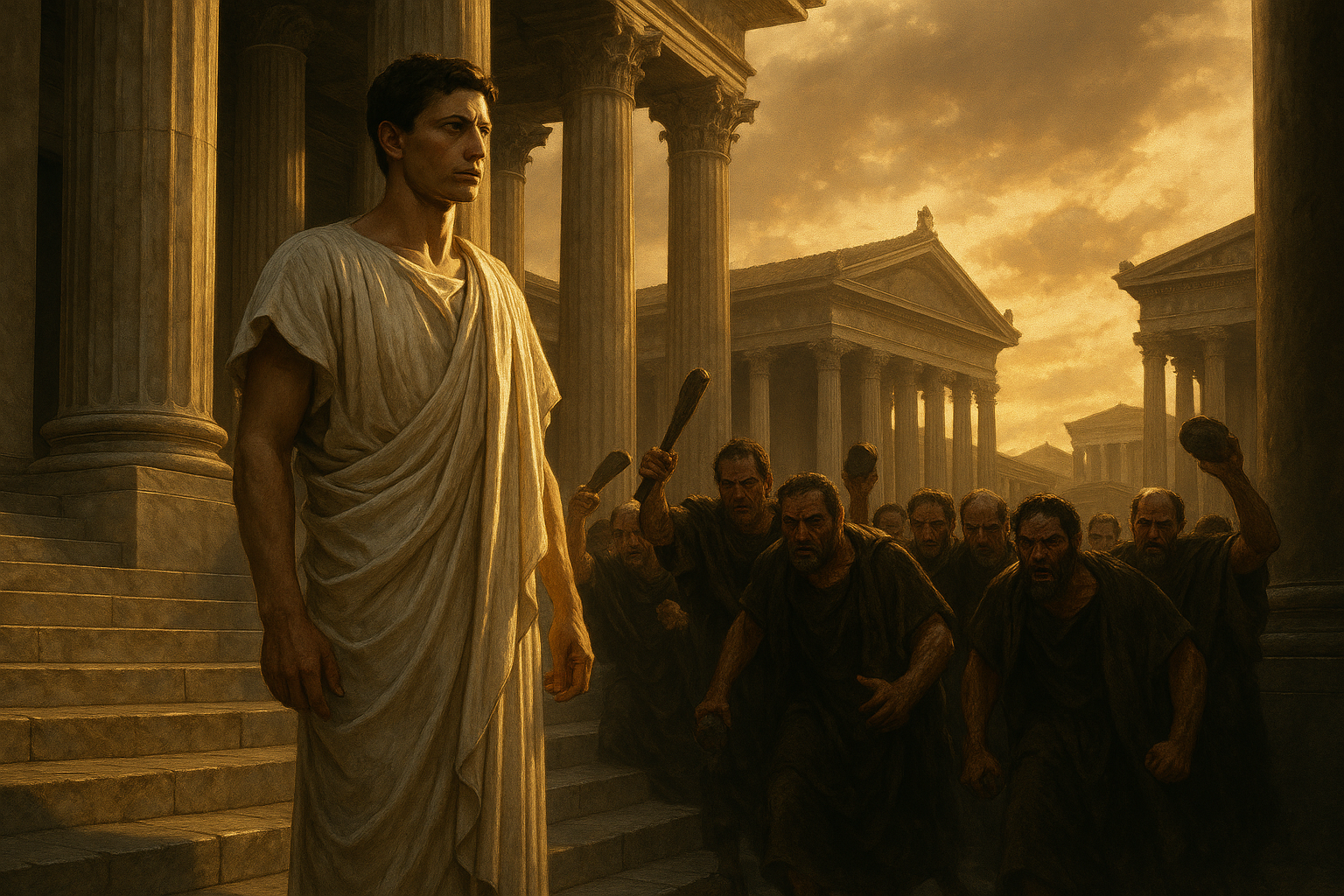
Let’s travel back in time. The year is 133 BCE. The place is Rome, the heart of a sprawling republic that has conquered the Mediterranean. It’s a hot, tense summer day on the Capitoline Hill, the religious and political center of the Roman world.
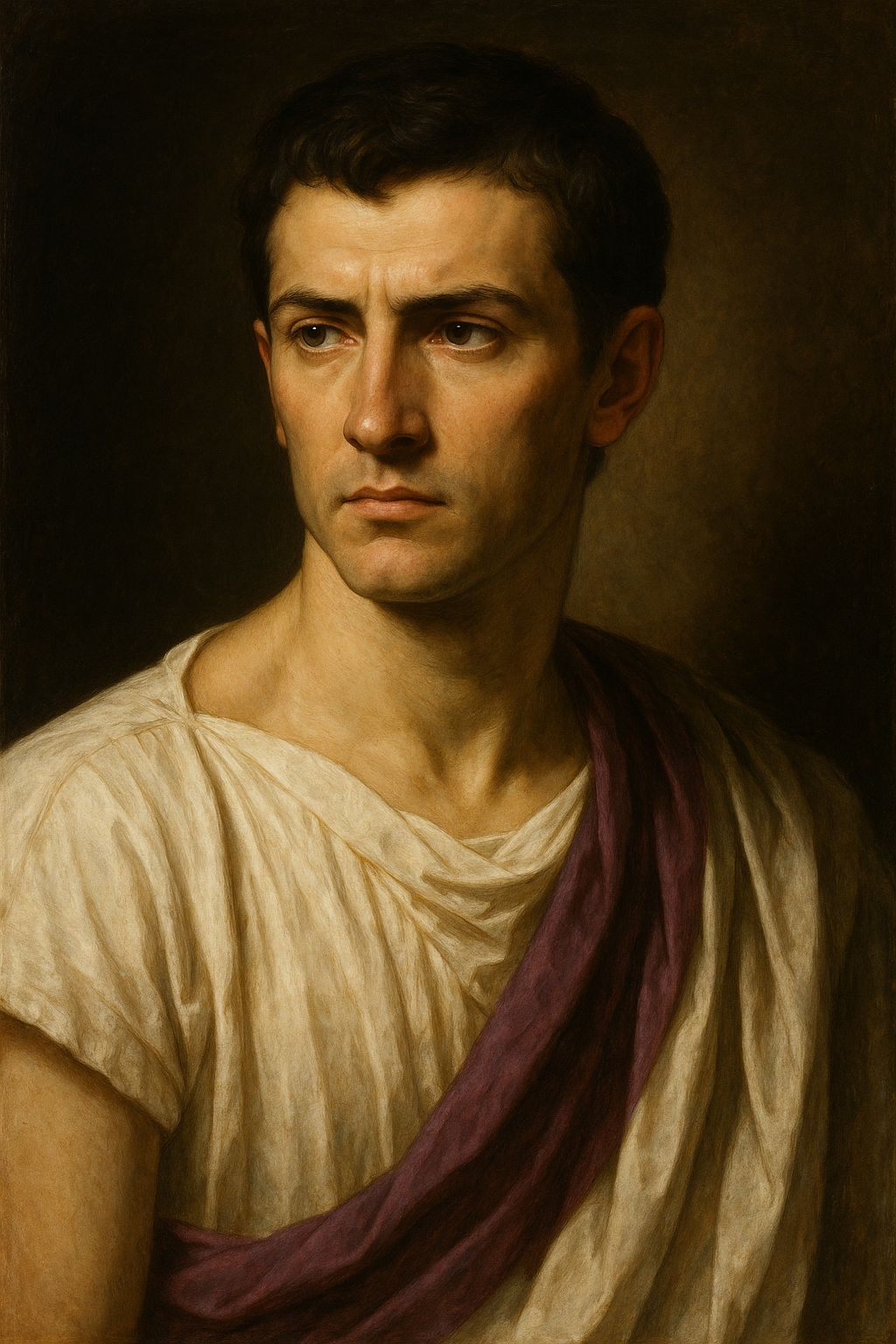
A young, idealistic tribune named Tiberius Gracchus stands before the people. He’s from one of Rome’s most aristocratic families, but he’s seen the rot at the core of the republic. While Roman legions conquer foreign lands, the small farmers who are the backbone of the army are losing their land to the wealthy elite.
Tiberius has a simple, radical idea: redistribute public land to the poor. It’s a move to save the republic from itself, to restore the balance of power and prevent a permanent underclass from forming.
But the Roman Senate, a body of wealthy landowners, sees things differently. They see Tiberius not as a reformer, but as a threat. And they will do anything to stop him.
The Parallel Revelation
The Senate, much like our own today, was a master of obstruction. They used every procedural trick in the book to block Tiberius’s reforms. They vetoed his proposals, they filibustered his speeches, they declared his actions illegal.
But Tiberius, like a man possessed, refused to back down. He bypassed the Senate and took his case directly to the people in the Popular Assembly. It was an unprecedented move, a direct challenge to the authority of the Senate.
The elites were furious. They saw their power, their wealth, and their way of life under attack. And so, on that fateful day on the Capitoline Hill, they decided to take matters into their own hands.
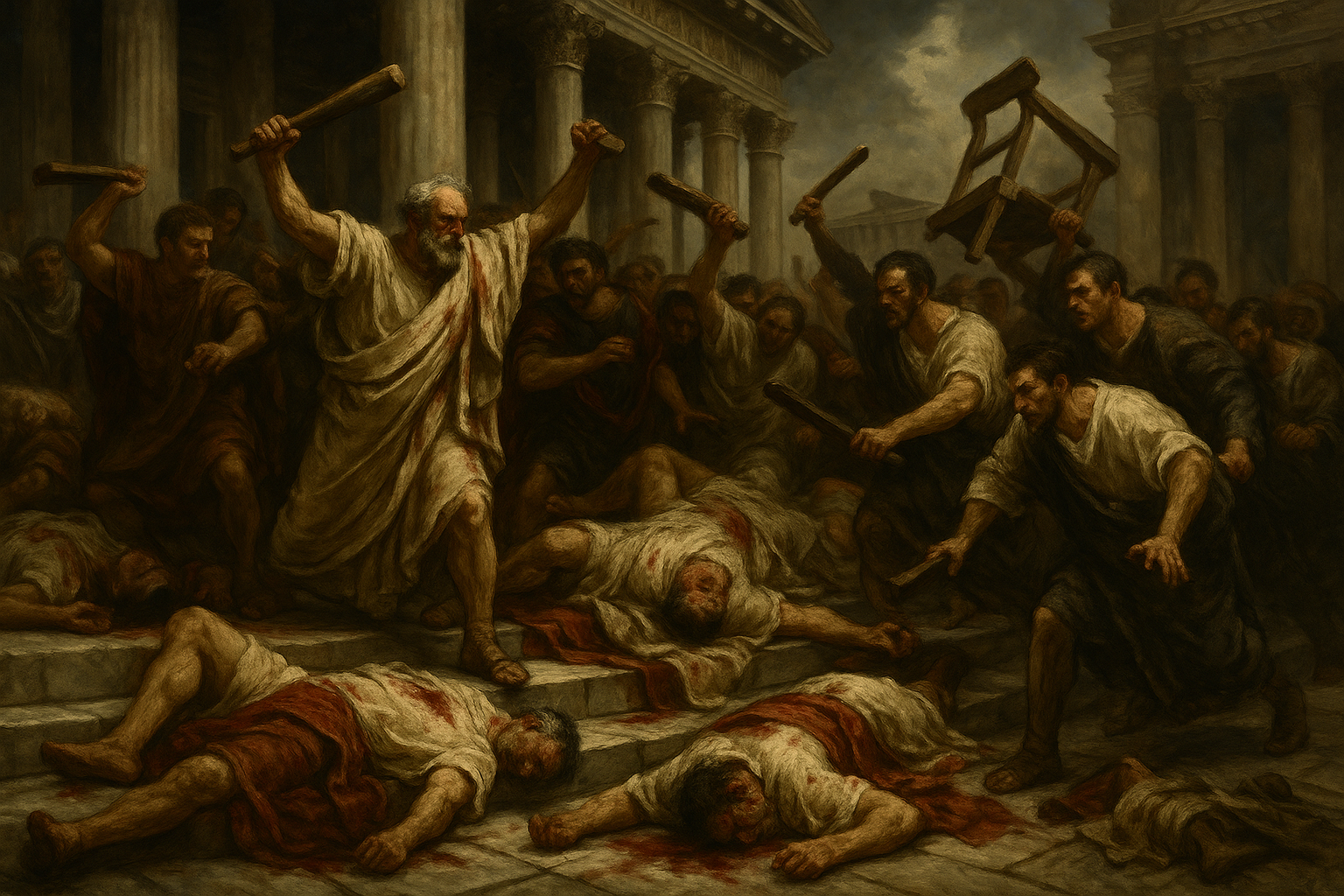
In a shocking act of political violence, a mob of senators and their supporters, led by the Pontifex Maximus himself, descended on Tiberius and his followers. They were armed not with swords, but with clubs, stones, and the legs of the very benches they sat on in the Senate house.
Tiberius Gracchus, the man who tried to save the republic, was beaten to death on the steps of the temple. His body, along with those of 300 of his supporters, was unceremoniously dumped into the Tiber River.
The Pattern Recognition
The murder of Tiberius Gracchus was more than just a political assassination. It was a turning point in Roman history. It was the moment that political violence became an acceptable tool in the Roman political system.
As the historian Appian wrote, it was the beginning of a cycle of violence that would ultimately lead to the downfall of the republic. The murder of Tiberius Gracchus, he wrote, “was the first instance of civil bloodshed in the city since the expulsion of the kings.”
Does this pattern sound familiar?
1. Economic Crisis: Growing inequality and a sense of injustice. This is the path that every dying republic has taken, from ancient Rome to Weimar Germany. And it’s a path that America is dangerously close to treading today.
The Ancient Warning
The death of Tiberius Gracchus did not solve Rome’s problems. In fact, it made them worse. Ten years later, his younger brother, Gaius, would take up his cause. The result? Another bloodbath, this time with thousands dead.
The Roman Republic would limp on for another century, a hollowed-out shell of its former self. The forms of democracy remained, but the substance was gone. A series of civil wars would tear the republic apart, paving the way for the rise of a new kind of leader: the emperor.
The lesson from Rome is clear: republics don’t die overnight. They die a slow, painful death, one broken norm at a time. They die when institutions fail, when political violence becomes normalized, and when the people lose faith in the system.
5 Things You Can Do This Week
History is not a spectator sport. We are all participants in the unfolding story of our nation. Here are five things you can do this week to help steer our republic away from the rocks:
1. Get Informed: Don’t just consume news, understand it. Read about the historical parallels to our current situation. A great place to start is SurvivalStronghold.com, where you can learn about the importance of being prepared for any crisis. A Word From Our Sponsor
In these uncertain times, the ability to provide for yourself and your family is more important than ever. That’s why we’re proud to partner with 4ft Farm Blueprint, a revolutionary system that teaches you how to grow your own food in a small space, with minimal effort.
With the 4ft Farm Blueprint, you can turn your backyard into a food-producing powerhouse, ensuring that you and your loved ones will always have access to fresh, healthy food, no matter what happens in the world.
References
1. Appian, The Civil Wars
2. Elite Resistance: The wealthy and powerful use their influence to block reform.
3. Institutional Breakdown: The normal political process grinds to a halt.
4. Political Violence: The use of force to settle political disputes.
2. Get Involved: Contact your elected officials and demand that they work together to solve our nation’s problems. Let them know that you will not tolerate political gridlock and dysfunction. For more on how to make your voice heard, check out SelfRelianceReport.com.
3. Build Community: In times of crisis, our greatest strength is each other. Get to know your neighbors, build local networks, and work together to create a more resilient community. HomesteaderDepot.com has great resources for building a self-sufficient lifestyle.
4. Support Independent Media: The mainstream media is often part of the problem. Seek out independent sources of information that are not beholden to corporate or political interests. FreedomHealthDaily.com is a great source for alternative health news and information.
5. Take Care of Yourself: These are stressful times. It’s important to take care of your physical and mental health. SevenHolistics.com offers a range of products and resources to help you stay healthy and balanced.
2. Plutarch, The Life of Tiberius Gracchus
3. The Cambridge Companion to the Roman Republic
4. Wikipedia, Gracchi Brothers