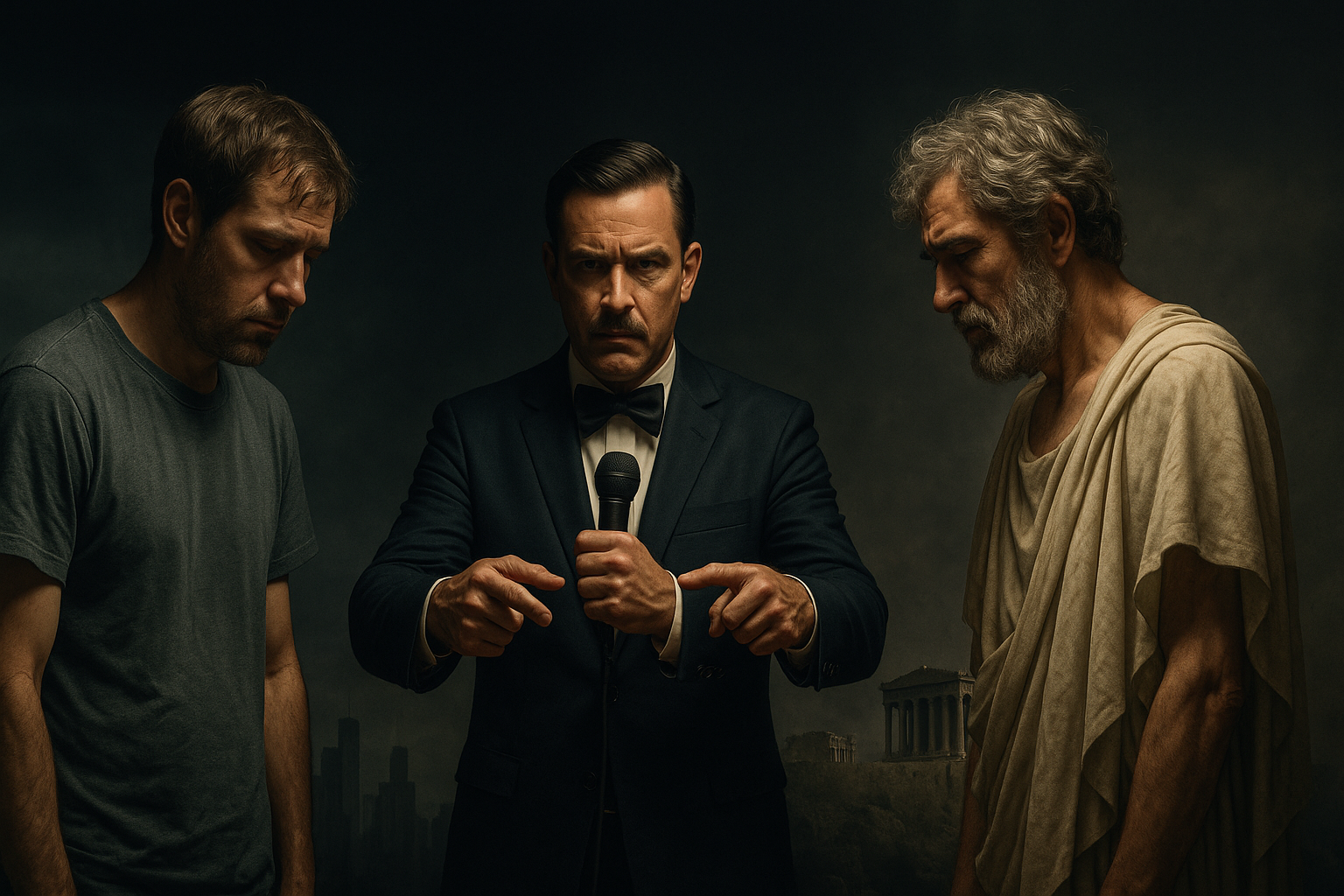
A strange silence is creeping across America. It’s not the silence of peace, but the quiet of exhaustion. A peculiar civic weariness, what some now call “freedom fatigue,” is setting in. The once-fiery passion to defend constitutional rights, to question authority, to fill the streets in protest—it’s all dimming. It’s the quiet surrender of a people too tired to fight for the very liberties that define them.
We see it in the shrugs over yet another government overreach, the weary sighs at the latest political scandal, the numb acceptance of a system that feels broken beyond repair. It’s a dangerous state of learned helplessness, where the constant struggle yields so few results that we begin to wonder: what’s the point?
This isn’t a surrender to a foreign enemy or a domestic tyrant. It’s a quiet, internal collapse. A slow-motion abdication of our most sacred duty as citizens. And if you think this is a uniquely modern American problem, history has a chilling story to tell. A 2,400-year-old warning from a civilization that, like us, grew too tired to be free.
The Time Portal
Let’s travel back to 4th century BC Athens. Forget the gleaming Parthenon of its golden age. This is a different Athens. An Athens scarred by the devastating Peloponnesian War, a city that had stared into the abyss and, against all odds, clawed its way back. Their democracy, seemingly shattered, had been rebuilt. The citizens, once again, held power.
But the victory was a hollow one. The decades that followed were a relentless grind. The economy, dependent on overseas trade, sputtered as instability rocked the region. Unpopular foreign wars drained the treasury and the public spirit. The city’s bureaucracy, once a marvel of the ancient world, was overstretched and underfunded, forcing the creation of a “giant Neighborhood Watch” to handle petty crimes.
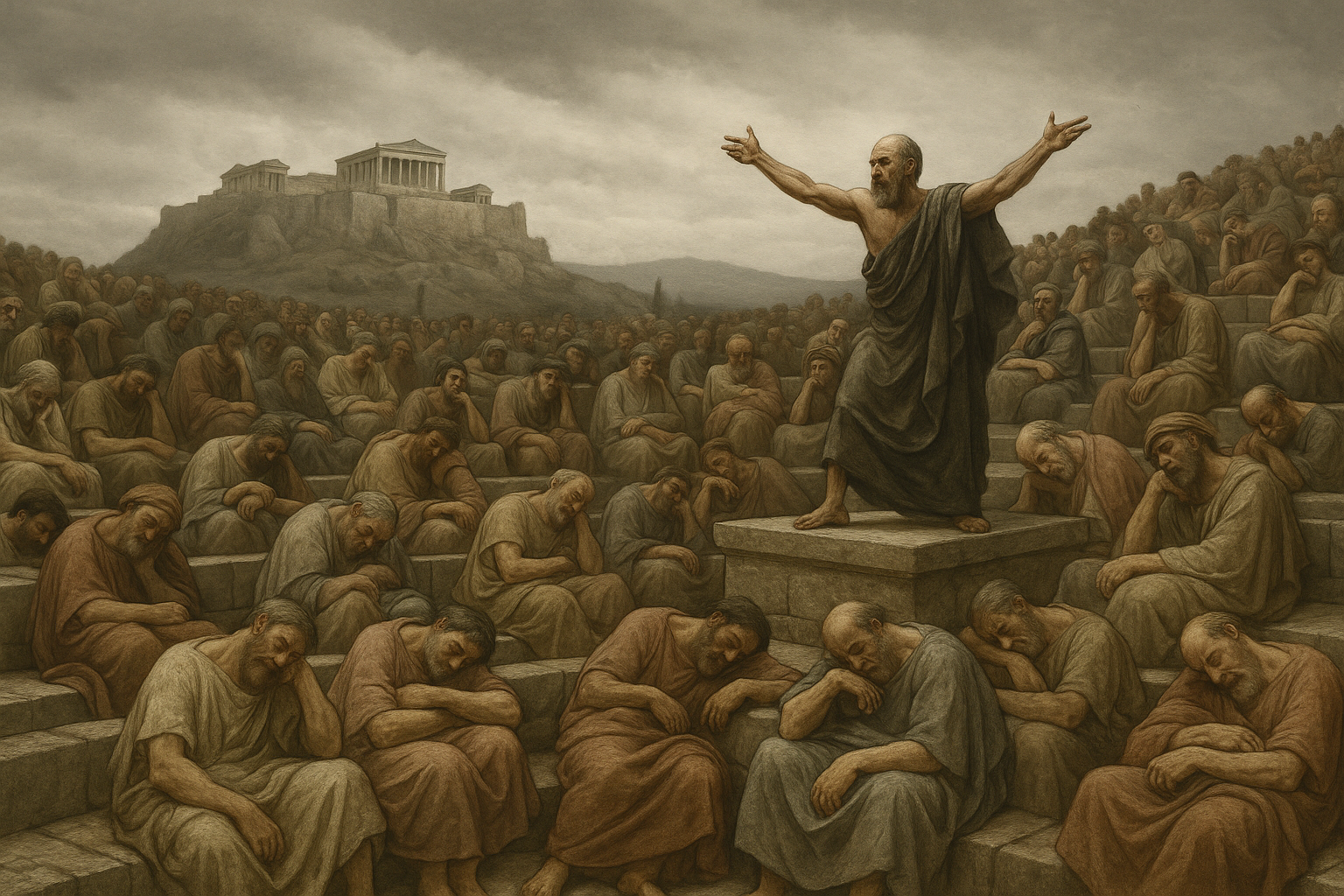
In the Assembly, the heart of Athenian democracy, a bitter, anxious mood prevailed. The “people power” that had been their greatest strength now turned on itself. A revolving door of political leaders were impeached, exiled, and even executed as the fickle mob, swayed by charismatic orators, lurched from one disastrous policy to another. The name of democracy became a weapon, an excuse to turn on anyone deemed an “enemy of the state.”
The Parallel Revelation
Doesn’t that sound eerily familiar? A great power, resting on its past glories, struggling to keep pace with a rapidly changing world. An economy on a knife’s edge. Unpopular foreign entanglements. A government that seems increasingly incapable of performing its basic functions. A political climate so toxic that it consumes its own.
This was the “freedom fatigue” of ancient Athens. The relentless pressure of self-government, the constant vigilance required to maintain liberty, simply became too much. The Athenians, once the most politically engaged people in history, grew weary of the endless debates, the constant calls to duty, the weight of an empire in decline.
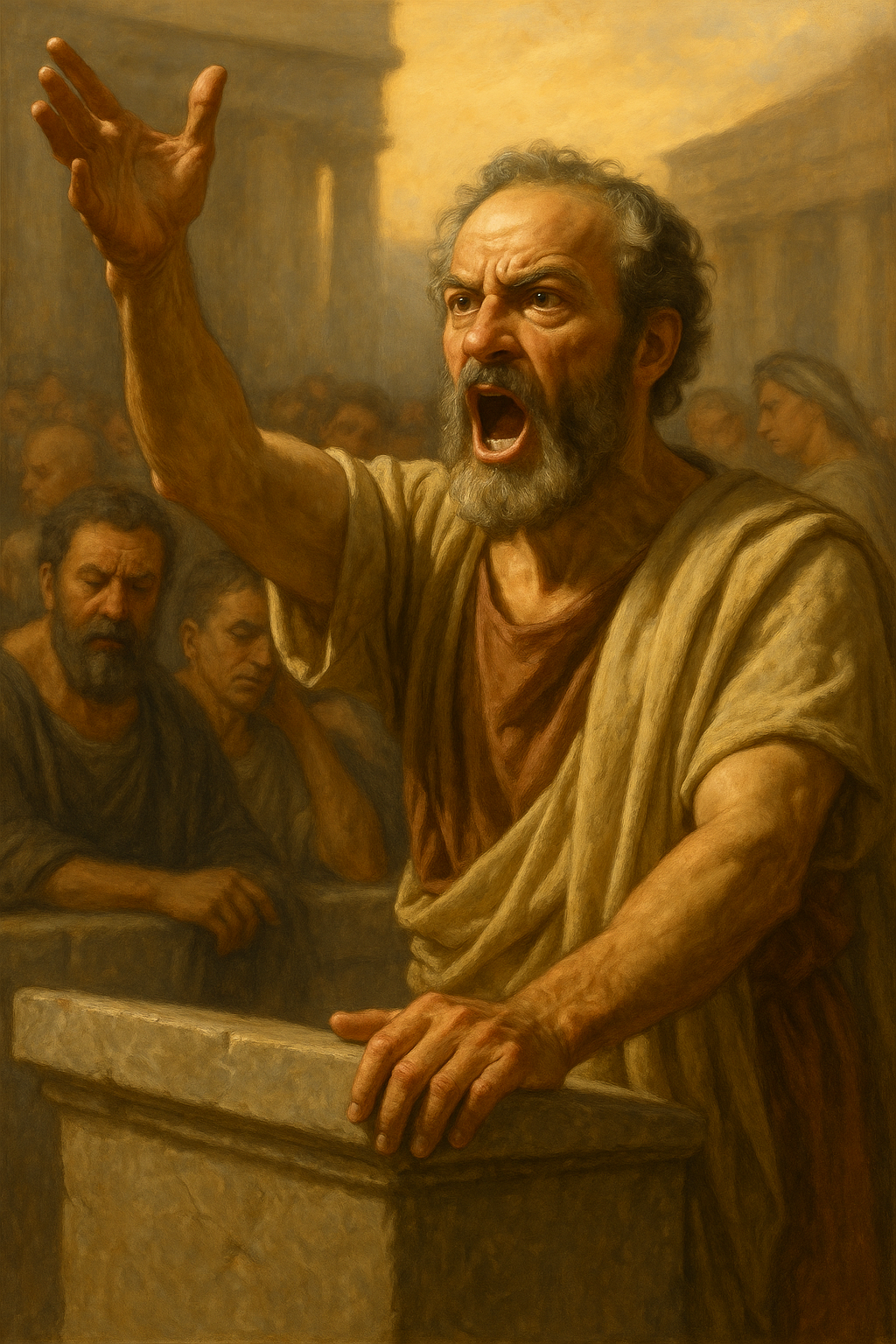
They began to tune out. To retreat into their private lives. To leave the messy business of politics to the “experts,” the persuasive speakers like Demosthenes who promised easy solutions but delivered only defeat. They lost the will to fight, not against a foreign invader, but against the slow, creeping rot of their own apathy.
The Pattern Recognition
Why does this pattern repeat? Because freedom is not a birthright. It’s a practice. It requires attention, endurance, and a faith in the possibility of reform. It’s a fire that must be constantly tended, and when the fuel of civic engagement runs low, the flames of liberty flicker and die.
Human nature, it seems, has a fatal flaw. We take our freedoms for granted. We assume the institutions that protect us are indestructible. We engage in petty political squabbles, blind to the fact that we are sawing off the very branch we are sitting on.
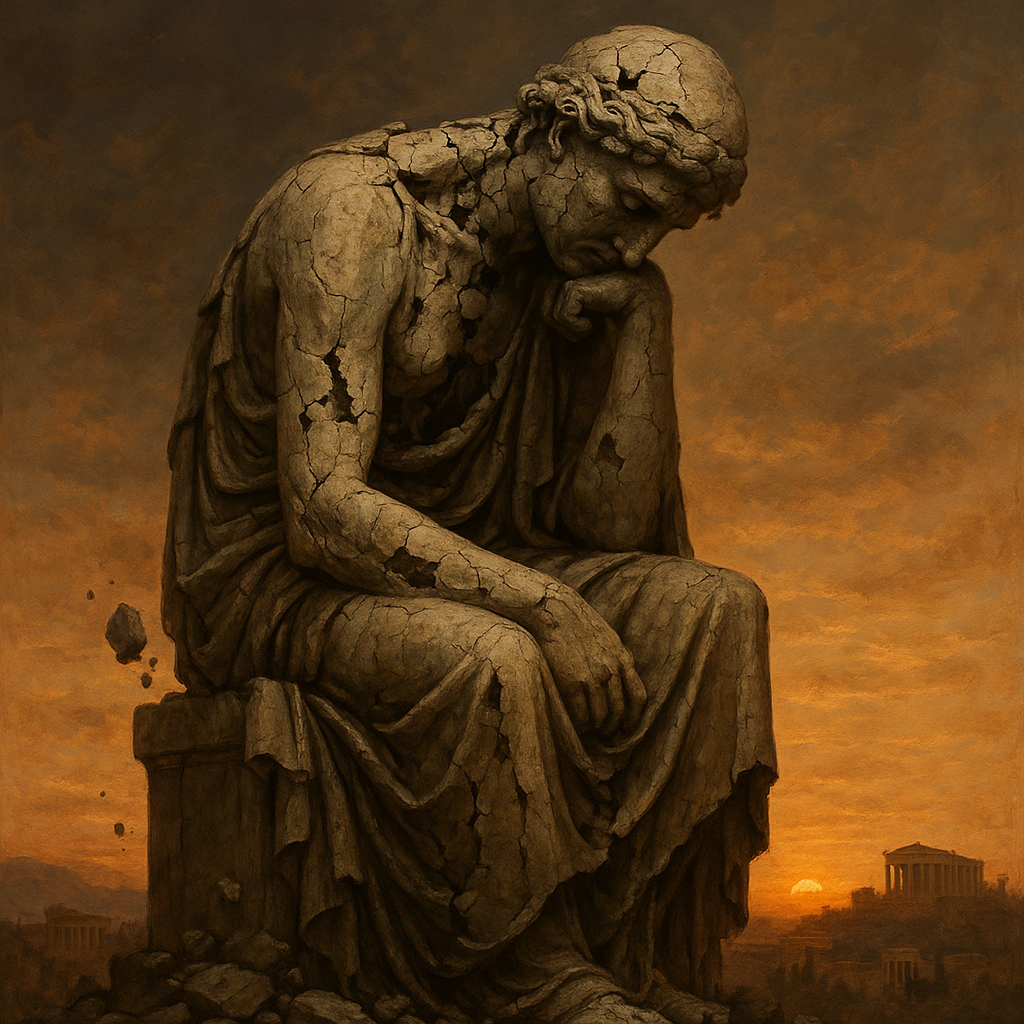
As the Cambridge historian Dr. Michael Scott notes, the Athenians “survived the period through slippery-fish diplomacy, at the cost of a clear democratic conscience.” They abandoned their ideals, their allies, their very identity, all in a desperate attempt to cling to the illusion of power. But in doing so, they hollowed out their democracy from the inside, leaving it a brittle shell, ready to shatter at the first blow.
The Ancient Warning
And the blow did come. In the end, it wasn’t a Spartan army or a Persian host that conquered Athens. It was a man on horseback: a Macedonian king named Philip II, and then his son, Alexander the Great. But they didn’t have to break down the gates of Athens. The Athenians, in their exhaustion, opened them.
By the end of the 4th century BC, the city that had invented democracy was hailing its new ruler, Demetrius, as a king and a living god. They had traded their hard-won freedom for the promise of stability, the illusion of security. They had become so tired of the burdens of liberty that they welcomed the embrace of a dictator.
This is the ultimate warning of Athens. That a democracy can die not with a bang, but with a whimper. Not in a bloody revolution, but in a quiet, collective sigh of exhaustion. That the greatest threat to our freedom is not the tyrant at the gate, but the apathy in our own hearts.
5 Things You Can Do This Week
History is not a spectator sport. It’s a call to action. Here are five practical steps you can take this week to fight your own “freedom fatigue” and reclaim your role as a citizen:
1. Read a Banned Book: The forces of censorship are on the march. Go to your local library or bookstore and read a book that someone, somewhere, doesn’t want you to read. This is a simple, powerful act of defiance. Find inspiration at SurvivalStronghold.com.
2. Attend a Local Meeting: Your town council, your school board, your county commission—these are the front lines of democracy. Show up. Listen. Speak your mind. It’s your government. Act like it. Learn how to make your voice heard at SelfRelianceReport.com.
3. Plant a Garden: In an age of fragile supply chains and corporate control, growing your own food is a revolutionary act. It’s a declaration of independence from a system that wants you dependent. Start your journey to food freedom with the 4ft Farm Blueprint.
4. Support an Independent Journalist: The mainstream media has failed us. Find a journalist, a blogger, a podcaster who is telling the stories that need to be told, and support them directly. Discover voices of truth at FreedomHealthDaily.com.
5. Have a Difficult Conversation: Talk to a friend, a family member, a neighbor who holds different political views. Don’t try to win an argument. Just listen. Understand. Find common ground. This is how we begin to heal our divided nation. Explore the power of natural remedies for a healthy mind and body at SevenHolistics.com.
A Message From Our Sponsor
In uncertain times, the most valuable asset is self-reliance. The 4ft Farm Blueprint is a revolutionary system that allows you to grow a year’s worth of food for one person in a space no bigger than your dining room table. It’s a step-by-step guide to food freedom, a way to take back control of your family’s health and security. Don’t wait for the grocery store shelves to go bare. Click here to learn more about the 4ft Farm Blueprint and start your journey to self-sufficiency today.
This article is for informational purposes only and does not constitute medical advice. Please consult a healthcare professional for any health concerns.