A strange and unsettling silence is emanating from the heart of the American financial system.
The Federal Reserve, the independent institution tasked with safeguarding our economic stability, is caught in a political vise. On one side, relentless pressure from the White House to keep interest rates artificially low, making debt cheaper and the economy appear stronger. On the other, the terrifying reality of rising inflation and a national debt so large it threatens to consume us.
This isn’t just a political squabble. It’s a battle for the soul of our economy.
The Fed’s independence, its ability to make tough decisions without political interference, is the bedrock of our financial system. But that bedrock is cracking. We are witnessing a dangerous game of chicken, where short-term political gain is being prioritized over long-term economic stability. And it’s a game that has been played before, with devastating consequences.
The Time Portal
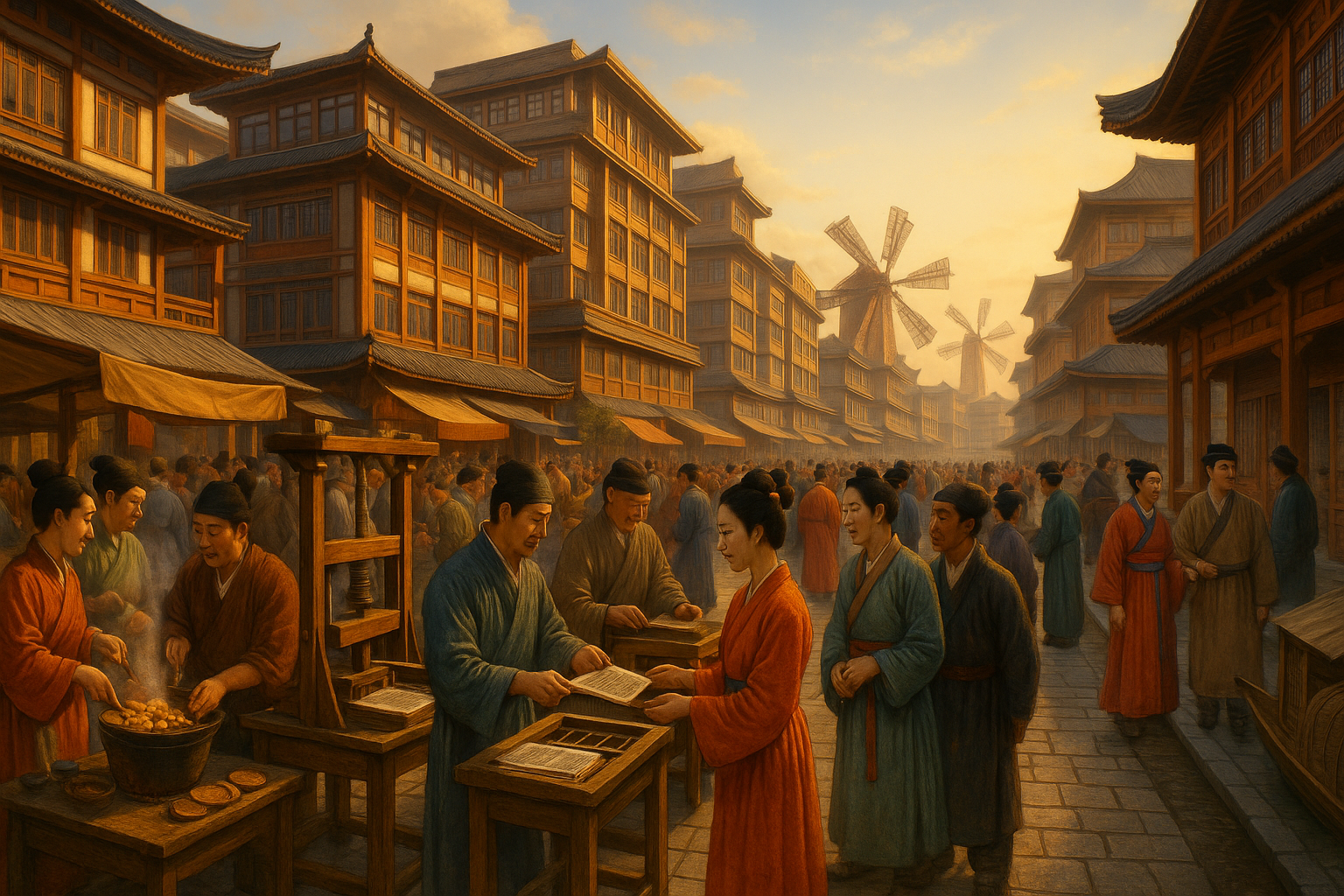
Let’s travel back in time, not to Rome or Greece, but to 11th century China.
The Song Dynasty was the most advanced civilization on Earth. A place of staggering wealth, innovation, and culture. They had invented gunpowder, movable type printing, and paper money. Their cities were bustling metropolises, their industries were booming, and their people enjoyed a level of prosperity unheard of in the rest of the world. It was, by all accounts, a golden age.
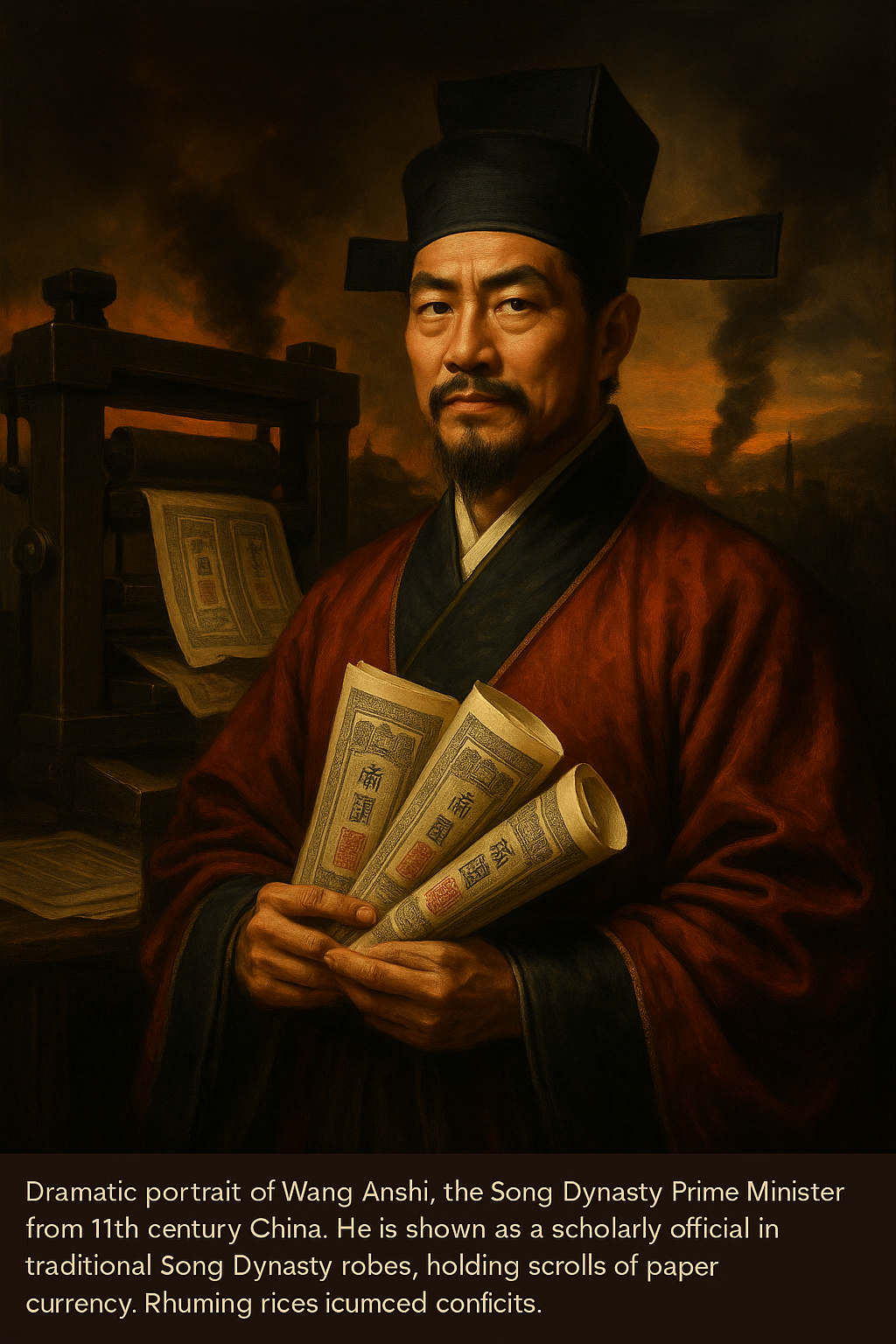
Into this world of progress and prosperity stepped a man named Wang Anshi.
A brilliant and ambitious government minister, Wang had a vision for a perfect society. He believed that the state, not the free market, should control the economy. He promised to help the poor, crush the rich, and create a utopia of perfect equality. And he had a powerful tool to achieve his goals: the printing press.
The Parallel Revelation
Wang Anshi’s “New Policies” were a radical experiment in state control.
He nationalized industries, fixed prices, and, most importantly, seized control of the money supply. He began printing paper money, called “jiaozi,” on an unprecedented scale. This new money was used to fund massive government projects, wage endless wars, and hand out generous welfare benefits. It was a political masterstroke. Wang became a hero to the masses, and his power was absolute.
But there was a dark side to this economic miracle.
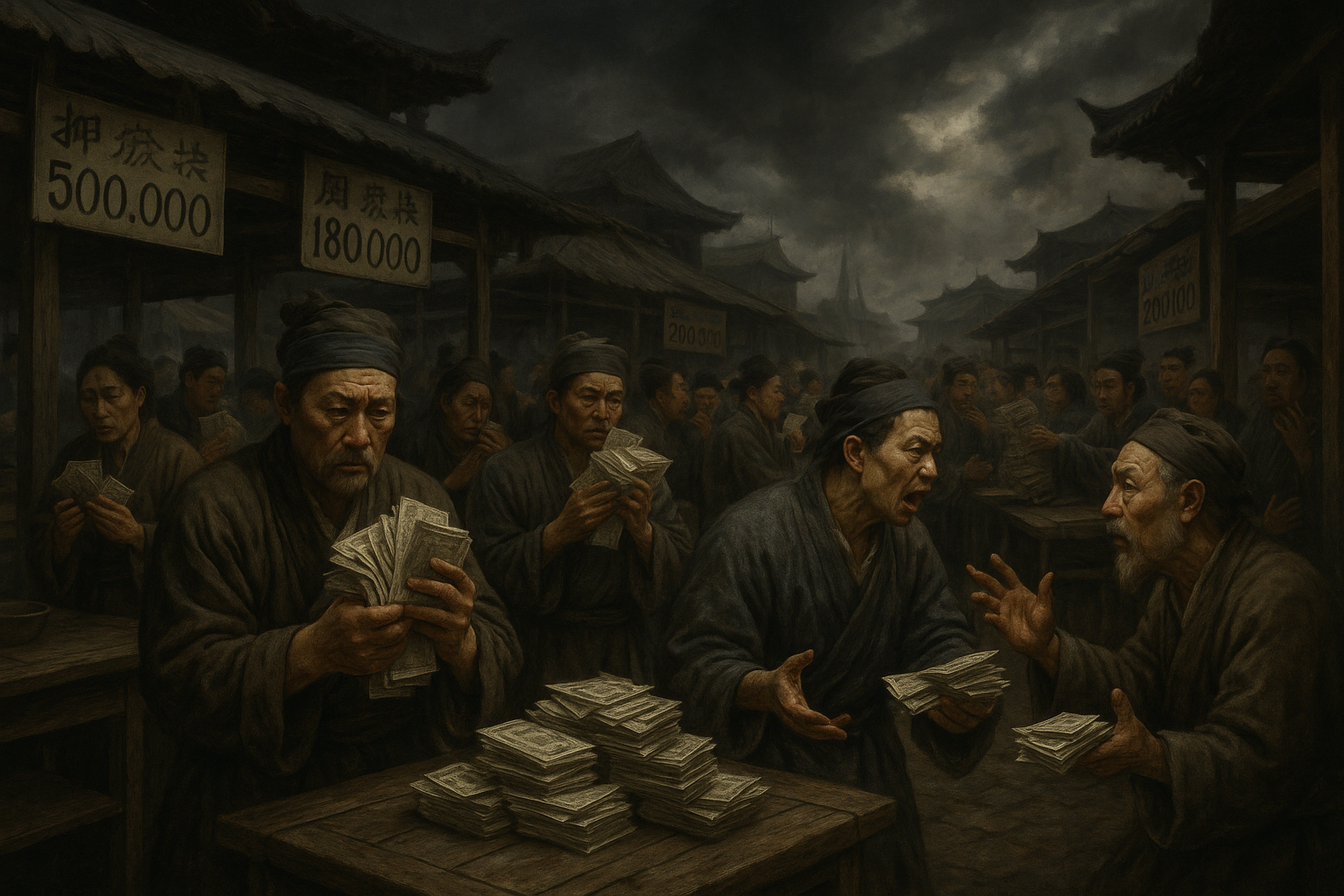
The massive influx of paper money created rampant inflation. The cost of living skyrocketed. The value of savings was wiped out. The once-thriving merchant class was crushed under the weight of government regulations and taxes. The economy, once the most dynamic in the world, began to stagnate.
Does this sound familiar?
A government, facing mounting debt and political pressure, turns to the printing press to solve its problems. A charismatic leader promises a new era of prosperity, all while debasing the currency and destroying the savings of the people. The parallels between Wang Anshi’s China and modern America are not just striking; they are terrifying.
The Pattern Recognition
Why does this pattern repeat throughout history?
Because it is a seductive and politically expedient solution to complex economic problems. It is always easier for a government to print money than to make difficult choices about spending and debt. It is always easier to promise a utopia than to deal with the messy realities of a free market.
But the laws of economics are as immutable as the laws of physics.
A government cannot print its way to prosperity. It can only print its way to poverty, chaos, and collapse. The Song Dynasty, the most advanced civilization of its time, was not conquered by a superior foe. It was destroyed from within by the very policies that were supposed to save it.
The Ancient Warning
The once-mighty Song Dynasty, weakened by hyperinflation and economic chaos, became easy prey for the Mongol hordes.
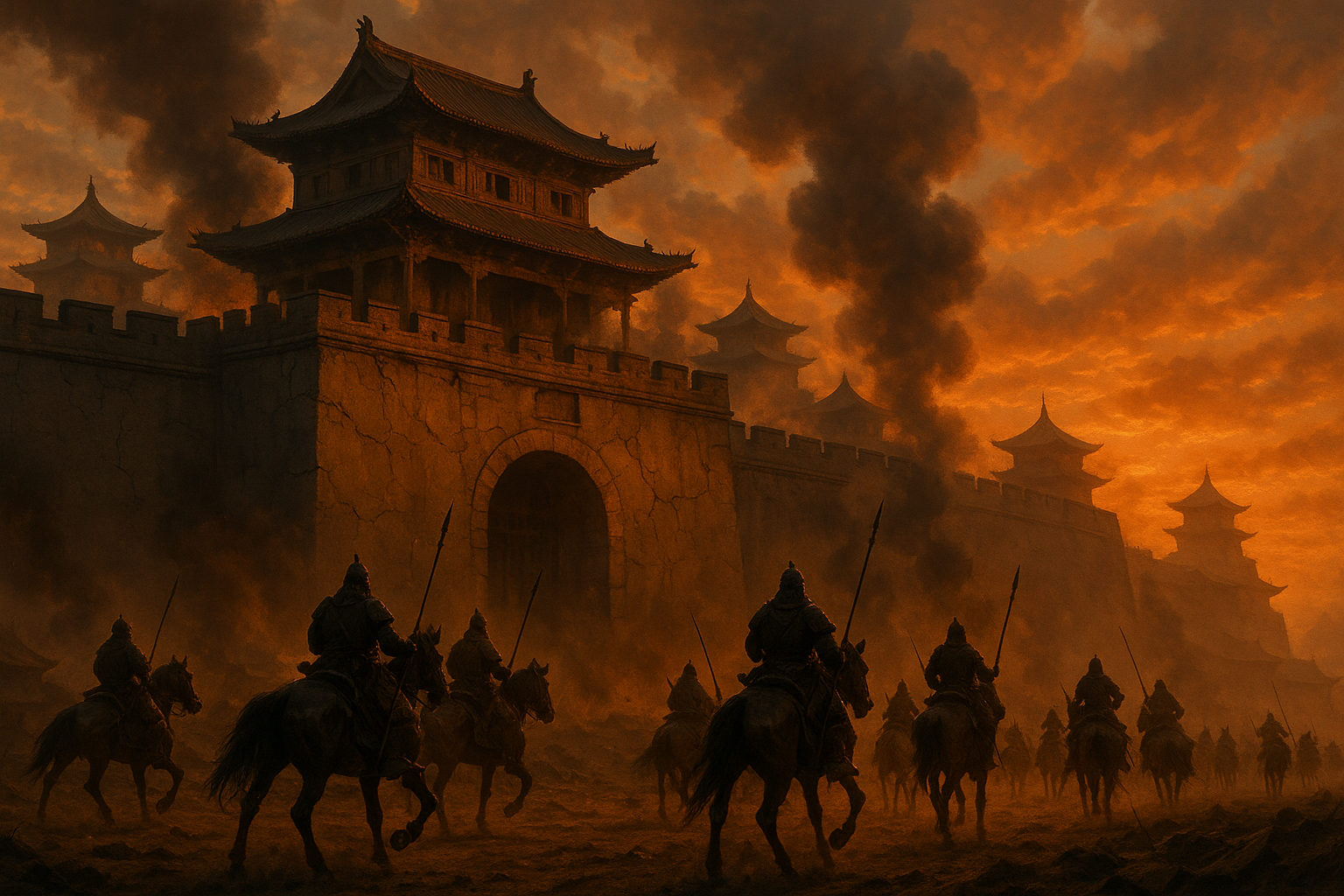
The Mongols, a nomadic people with a tiny fraction of the Song’s population and resources, conquered China with shocking ease. The empire that had printed itself to death was erased from the pages of history.
This is the ancient warning that echoes down to us today.
The road to ruin is paved with good intentions and bad economics. The siren song of the printing press is a deadly trap that has ensnared countless civilizations. And we are hearing that song being sung in Washington D.C. right now.
5 Things You Can Do This Week
History is not a spectator sport. It is a call to action. Here are five things you can do this week to prepare for the storm that is gathering on the horizon:
- Secure Your Food Supply: Don’t wait for the shelves to go bare. Learn how to build a resilient food supply with the 4ft Farm Blueprint.
- Achieve True Self-Reliance: Discover the skills and mindset you need to thrive in any crisis with the Self-Reliance Report.
- Protect Your Health: In times of uncertainty, your health is your most valuable asset. Explore natural and effective ways to boost your well-being with Seven Holistics.
- Stay Informed: Knowledge is power. Get the uncensored truth about the threats to your freedom and prosperity at Survival Stronghold.
- Build Your Homestead: Take control of your family’s future by learning the art of homesteading at Homesteader Depot.
Sponsored: The 4ft Farm Blueprint
In a world of uncertainty, the ability to produce your own food is the ultimate form of self-reliance.
The 4ft Farm Blueprint is a revolutionary system that allows you to grow a massive amount of food in a tiny space, with minimal effort. Don’t be a victim of the coming food crisis. Take control of your food supply today.