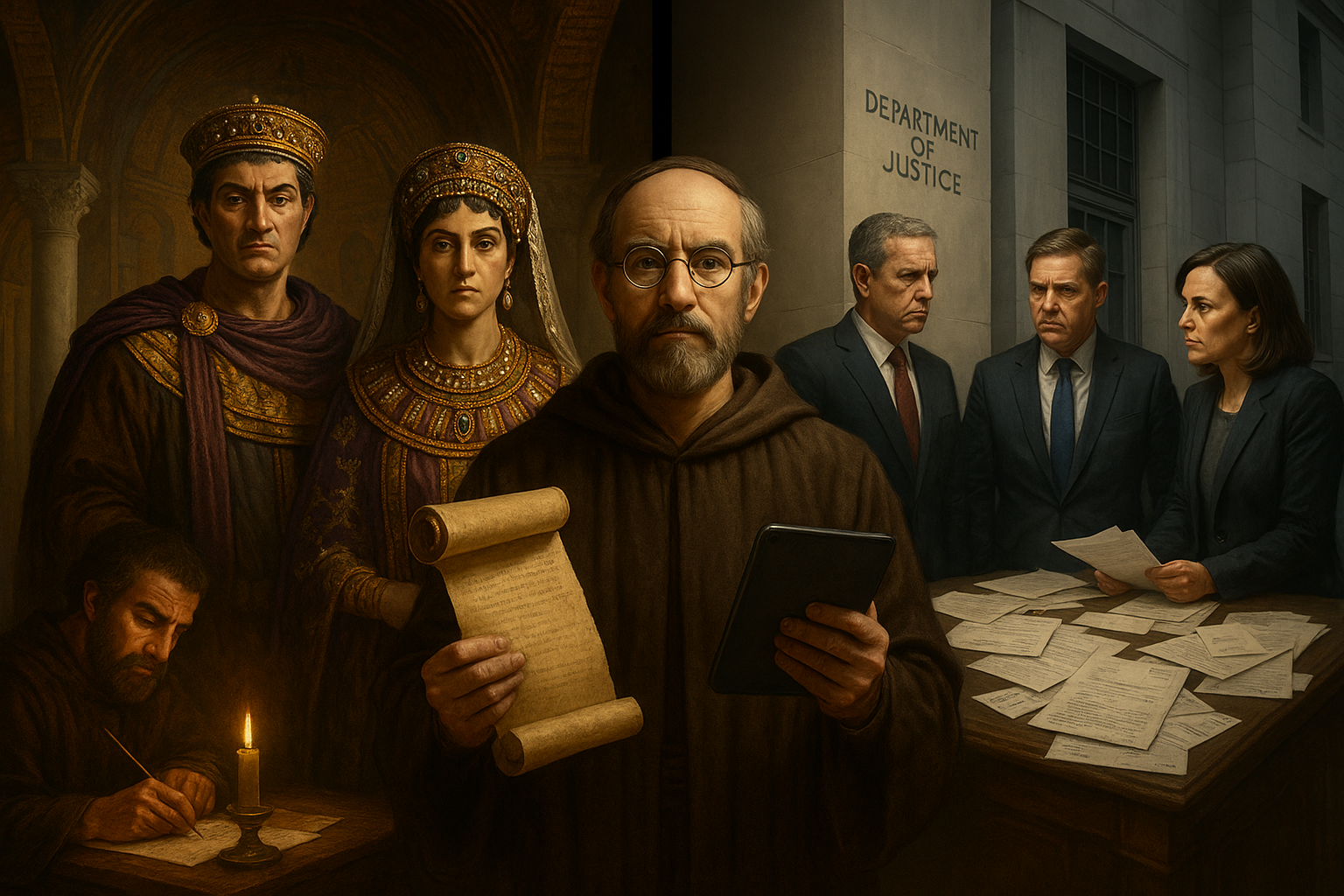
The nation holds its breath. On the President’s orders, the Department of Justice has launched a full-scale investigation into the Epstein affair, a scandal that has already ensnared some of the world’s most powerful figures. The official story is a noble one: a quest for justice, a promise to hold the elite accountable, no matter how high their station. The President, with a somber and resolute tone, has declared that no one is above the law.
But whispers in the halls of power tell a different story. The President’s own name has surfaced in the now-infamous flight logs. Skeptics and political rivals are calling the investigation a smokescreen, a calculated move to control the narrative and bury inconvenient truths.
Is this a genuine effort to cleanse the stables of corruption, or is it a masterful act of political theater, a distraction designed to protect the powerful while appearing to expose them? We find ourselves in a familiar, unsettling position, questioning the motives of those in power and wondering what secrets lie hidden behind the gilded curtain of public life.
The Time Portal
Let us now travel back in time, some 1,500 years, to the glittering, treacherous heart of the Byzantine Empire: Constantinople. Here, we meet Emperor Justinian I and his Empress, Theodora. To the public, they are a golden couple, the very embodiment of piety and imperial majesty. They are the builders of the magnificent Hagia Sophia, the codifiers of Roman law, the restorers of the Empire’s glory. Their official historian, a man named Procopius, dutifully records their every triumph, his words painting a portrait of a divinely-inspired reign.
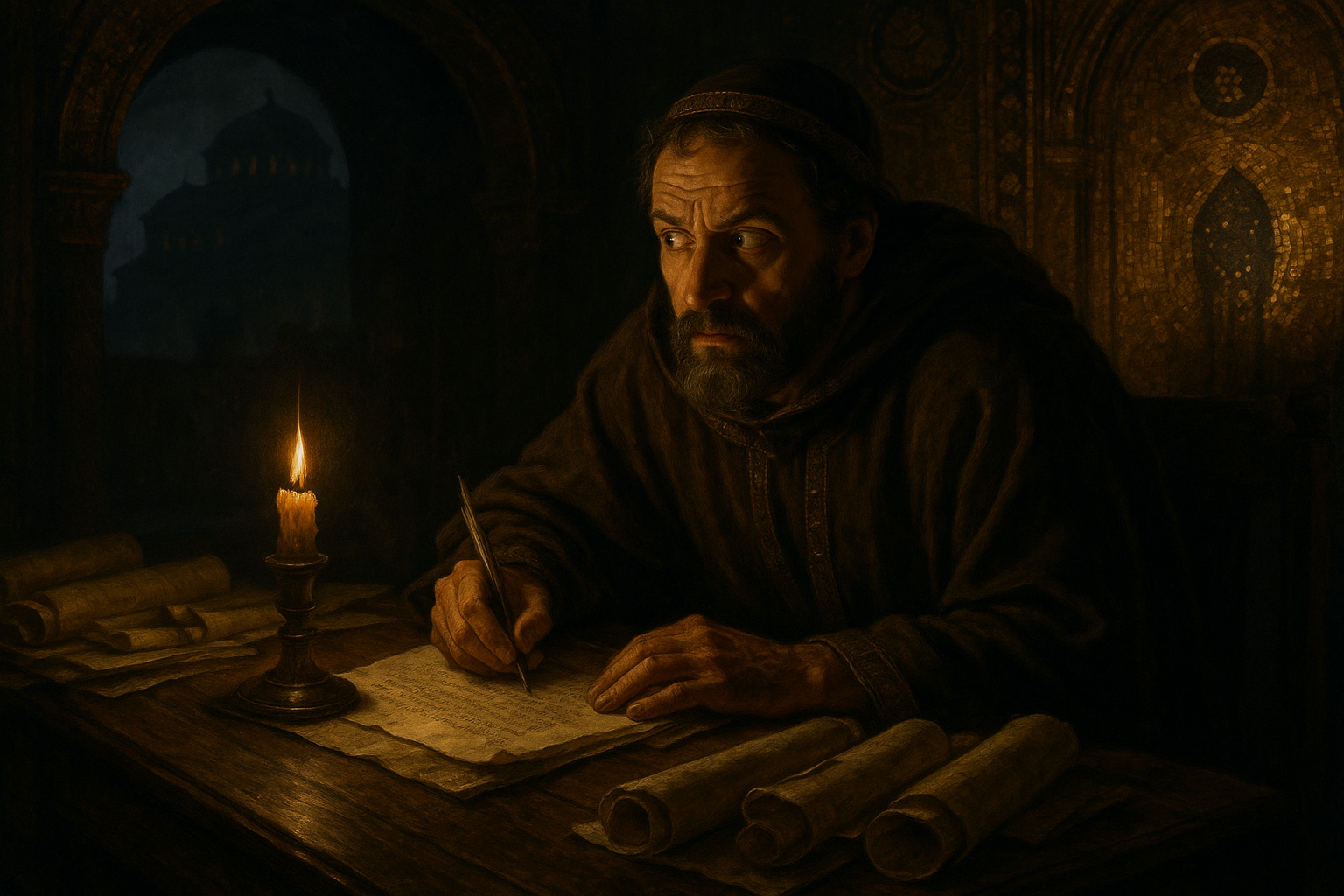
But Procopius has a secret. In the dead of night, by the flickering light of a single candle, he writes another history, a “Secret History,” known as the Anecdota. In this hidden ledger, he tells a story so shocking, so scandalous, that it could cost him his life.
He writes of a Justinian who is not a pious saint, but a paranoid, avaricious tyrant, a man who would order the deaths of thousands with a gentle smile. He writes of a Theodora who was not a virtuous empress, but a former actress and courtesan who clawed her way to the throne through manipulation and ruthless ambition. He writes of a court not of divine right, but of systemic corruption, where justice was for sale and power was the only currency that mattered.
The Parallel Revelation

The parallels between our modern mystery and Procopius’s secret history are as striking as they are disturbing. Just as we see a President launching an investigation that could implicate himself, we see in Justinian a ruler who used the language of piety and justice to mask his own avarice and cruelty. Procopius tells us that Justinian would seize the estates of his subjects on trumped-up charges, then donate them to the church to create a veneer of piety, all while enriching himself and consolidating his power.
And what of Theodora, the power behind the throne? Procopius paints her as a master of intrigue, a woman who could persuade her husband to do her bidding with the promise of wealth and power. In our modern context, we see a similar dynamic at play, with powerful figures and their spouses wielding immense influence, their public personas often at odds with the whispers of backroom deals and hidden agendas.
The Epstein scandal, with its web of powerful men and their connections, echoes the Byzantine court, where sexual intrigue and political power were inextricably linked.
The Pattern Recognition
Why does this pattern repeat? Why do we see the same stories of elite corruption, hidden scandals, and public deception play out across the centuries? The answer, as Procopius knew all too well, is that human nature remains unchanged. The lust for power, the allure of wealth, the temptation of corruption – these are not modern inventions. They are the timeless, primal forces that have driven human history from the very beginning.
Just as the Byzantine court was a theater of spectacle and intrigue, so too is our modern political landscape. The 24-hour news cycle, the carefully crafted press releases, the public pronouncements of piety and justice – these are all part of a grand performance, a show designed to shape public perception and maintain the illusion of control.
But behind the curtain, the same old human dramas are playing out, the same battles for power and influence, the same struggles between public virtue and private vice.
The Ancient Warning
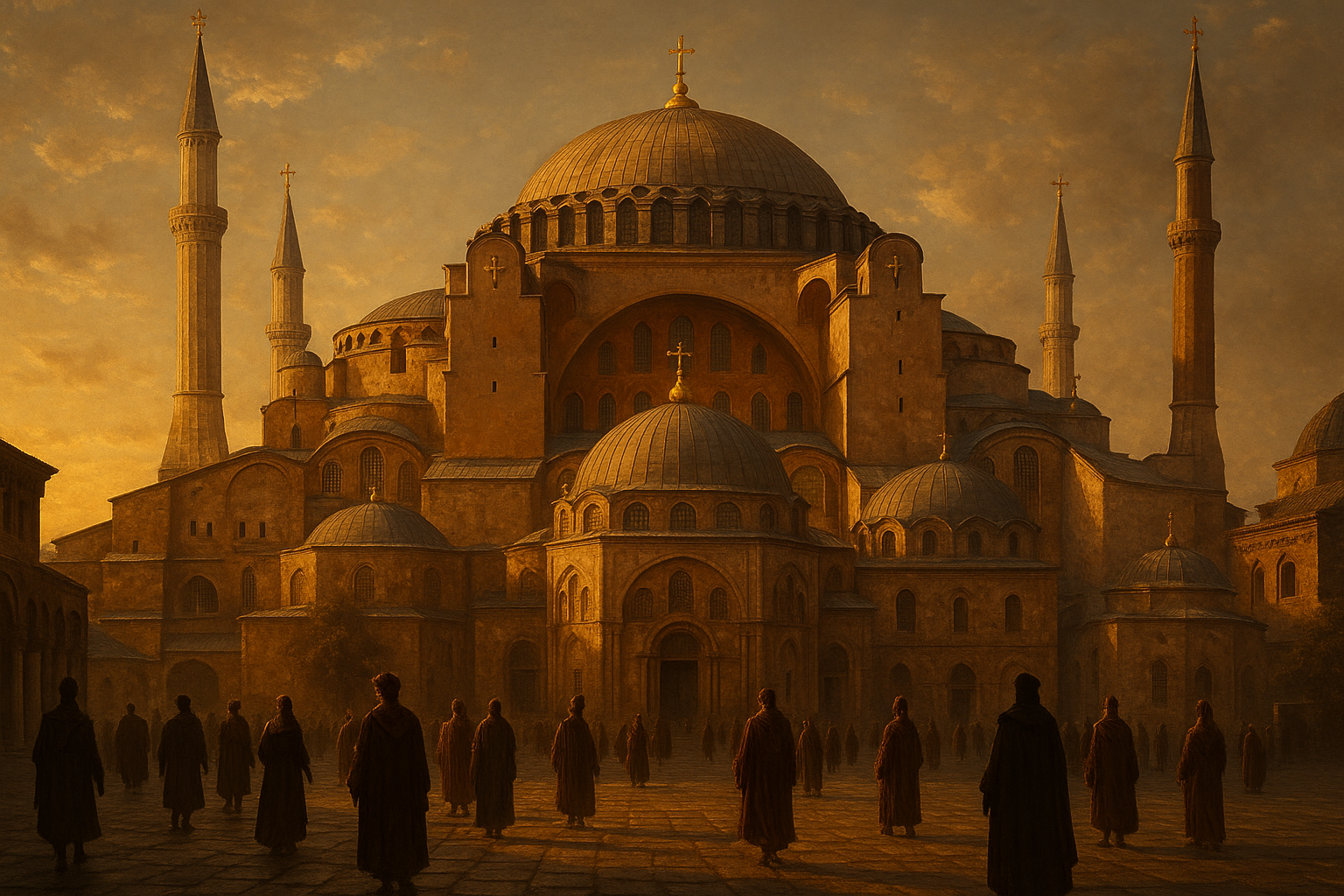
Procopius’s “Secret History” is more than just a juicy piece of historical gossip. It is a warning, a cautionary tale that echoes down to us through the centuries. The Byzantine Empire, for all its glory, was ultimately a fragile creation, its foundations slowly eroded by the very corruption that Procopius so fearlessly documented. The reign of Justinian and Theodora, while marked by great achievements, was also a period of deep social and political unrest, a time when the gap between the rulers and the ruled grew ever wider.
When the people lose faith in their leaders, when they come to believe that the system is rigged and that justice is a commodity for sale, the very fabric of society begins to unravel. The ancient warning of Procopius is clear: a society that tolerates the secret sins of its elite is a society on the path to ruin. The secrets of the powerful, when left to fester in the dark, can become a poison that infects the entire body politic.
5 Things You Can Do This Week
History is not a spectator sport. It is a living, breathing force that shapes our present and our future. Here are five things you can do this week to prepare for the echoes of history that are reverberating in our own time:
1. Build Your Own Fortress of Solitude: The world is a chaotic place. You need a space where you can be self-reliant and secure. The 4ft Farm Blueprint can show you how to turn a small space into a source of fresh, healthy food, a crucial step towards true independence.
2. Sharpen Your Mind: In an age of disinformation, the ability to think critically is your most valuable weapon. Read a book on a historical topic you know nothing about. You can also find great articles on SurvivalStronghold.com to help you prepare for any eventuality.
3. Secure Your Health: A healthy body is a strong body. This week, focus on improving your physical well-being. Take a walk, try a new healthy recipe, or explore the natural health solutions at SevenHolistics.com.
4. Connect with Your Community: In times of uncertainty, our greatest strength is each other. Reach out to a neighbor, join a local community group, or start a conversation with someone who has a different perspective. The Self-Reliance Report has great tips on building strong communities.
5. Learn a New Skill: The more you know, the more prepared you are. This week, learn a new practical skill, whether it’s basic first aid, how to change a tire, or how to bake your own bread. HomesteaderDepot.com is a great resource for learning new skills.
This article is sponsored by the 4ft Farm Blueprint. In a world of uncertainty, the ability to feed yourself and your family is the ultimate form of freedom. The 4ft Farm Blueprint is a revolutionary system that teaches you how to grow a perpetual supply of fresh, organic food in just 4 square feet. Click here to learn more and take the first step towards true self-reliance: https://4ftfarmblueprint.com