Just hours ago, the United States slammed its doors shut. In a stunning move, the government has frozen all asylum decisions and halted visas for Afghan nationals.
This decision came swiftly after a tragic shooting near the White House, where the suspect was identified as an Afghan national who had been granted asylum. An entire group, including allies who stood with American soldiers for two decades, is now paying the price for the actions of one man.
This isn’t just a news headline. It’s an echo from the past, a chilling parallel to one of history’s most infamous moments of collective punishment.
To understand what might be coming next, we must look back nearly 2,000 years to the burning of Rome.
The Modern Crisis: A Nation on Edge
Washington D.C. is a city holding its breath. The government is in its 35th day of a shutdown, and tensions are high. Then, the unthinkable happens: two National Guard members are shot just blocks from the seat of American power.
The alleged shooter, Rahmanullah Lakanwal, is a 29-year-old who fled the Taliban and was granted refuge in the United States.
His actions, however, have not just sealed his own fate. They have triggered a firestorm.
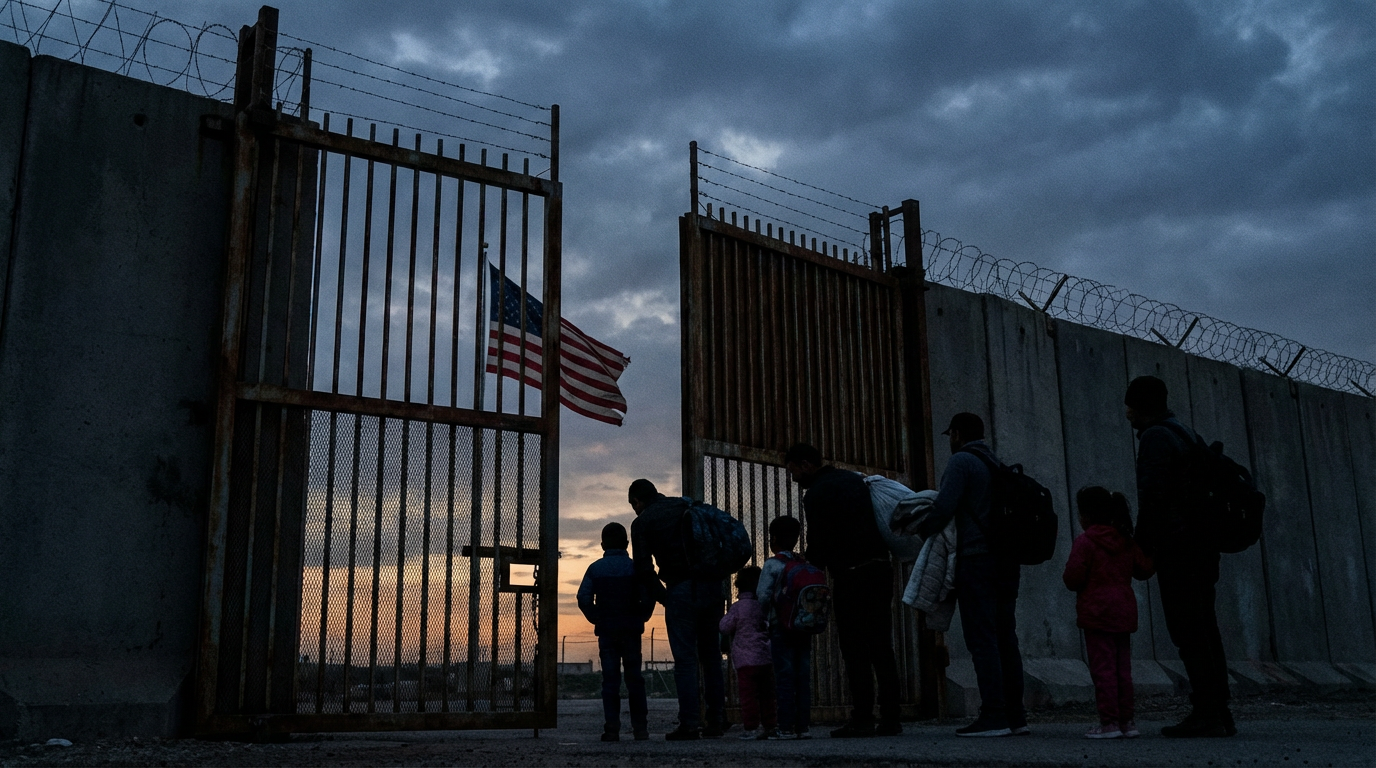
Within hours, the administration enacted a sweeping policy. Not just a review, but a full stop.
The Special Immigrant Visa program for Afghans who risked their lives for the U.S. military? Frozen.
All asylum applications from people already inside the U.S.? Halted.
A review of green cards issued under the previous administration? Underway.
An entire class of people, once considered allies, are now seen as a threat. The message is clear: the actions of one will be paid for by the many.
The Ancient Warning: Nero’s Fiery Scapegoat
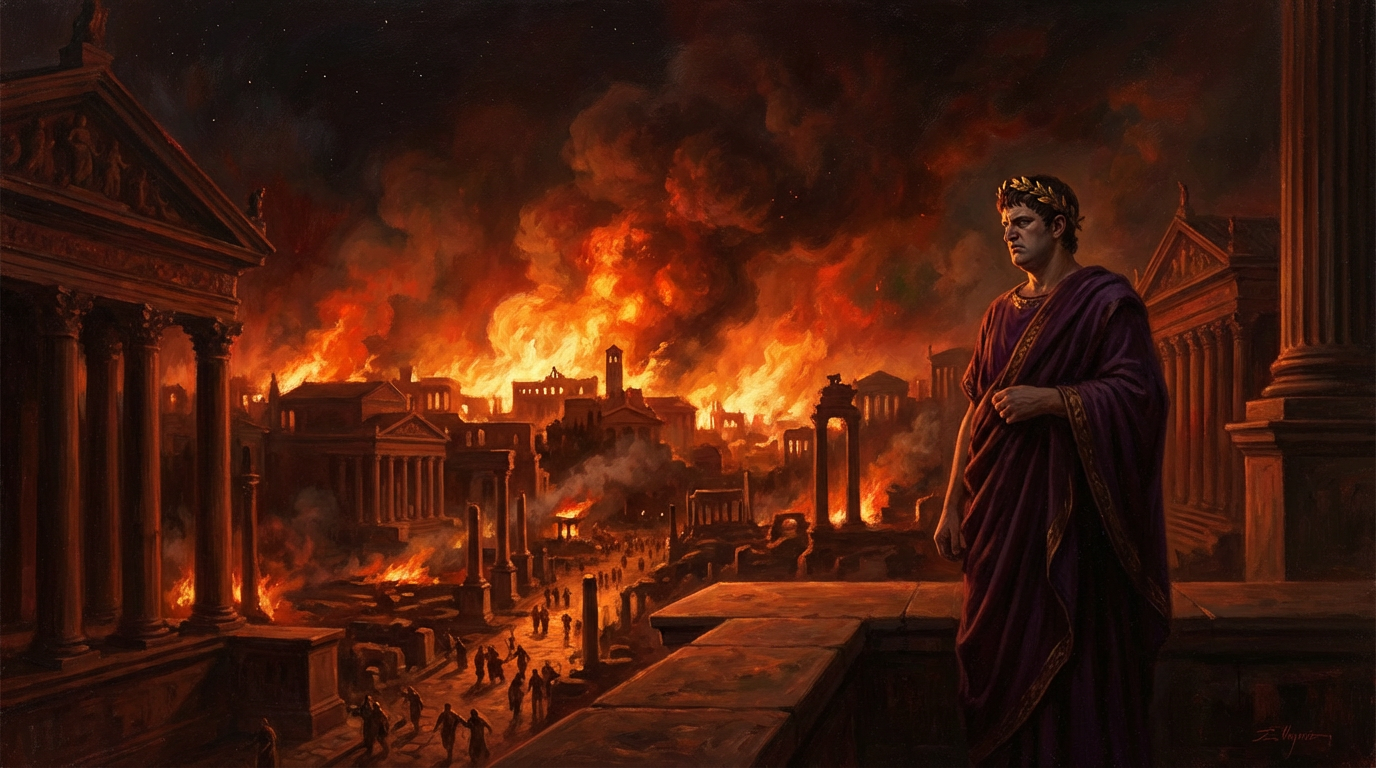
In the summer of 64 AD, Rome burned.
For six days and nights, a great fire consumed the heart of the most powerful empire on Earth. The citizens were devastated, homeless, and furious. They needed someone to blame, and their whispers turned toward their own emperor, Nero.
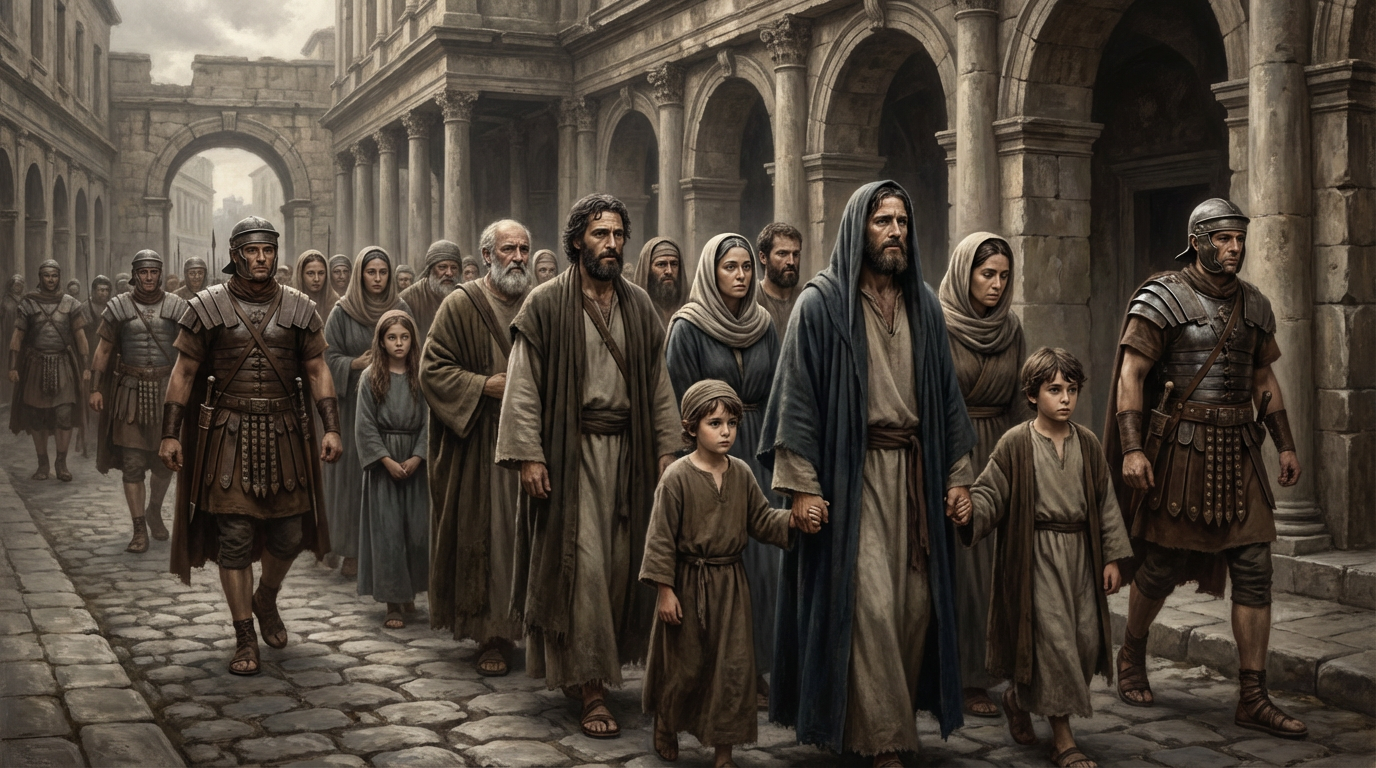
Nero, a man known for his vanity and cruelty, was accused of setting the fire himself to clear land for a lavish new palace.
Panicked, he needed a scapegoat—a group so despised and misunderstood that the public would readily accept their guilt.
He found them in the Christians. This small, obscure sect was already distrusted. They refused to worship the Roman gods and spoke of a coming king, which sounded like treason. They were the perfect target.

As the historian Tacitus, an eyewitness to the events, wrote, Nero “falsely charged with guilt, and punished with the most fearful tortures, the persons commonly called Christians.”
A few were arrested and tortured until they named others. Soon, a “vast multitude were convicted, not so much on the charge of burning the city, as of ‘hating the human race.'”
Their punishment was a gruesome public spectacle. They were covered in the hides of wild beasts and torn apart by dogs. They were nailed to crosses. Most horrifically, they were set on fire to serve as human torches, illuminating Nero’s gardens for his parties.
Nero didn’t solve the problem of the fire. He just redirected the public’s anger.
He used a crisis to justify the persecution of a vulnerable minority, turning allies into enemies overnight for political gain.
The parallel is as clear as it is terrifying.
5 Things You MUST Do Before History Repeats Itself
When governments make desperate, sweeping decisions based on fear, it’s a sign that the ground beneath our feet is shifting.
The patterns of history are clear: when the state turns on one group, it’s often just the beginning.
The time for complacency is over. The time to prepare is now.
Here are five critical steps you and your family must take this week. This isn’t about panic; it’s about prudence. It’s about seeing the writing on the wall and acting before you’re backed into a corner.
1. Secure Your Food Supply
The most stable societies are only nine meals away from chaos. When supply chains break and panic buying begins, the grocery store shelves will be stripped bare in hours.
You need a resilient food source that you control.
🌱 SPONSOR: The 4ft Farm Blueprint
Learn how to build a self-sustaining food system on your own property. Don’t just survive; thrive with an endless supply of fresh, healthy food, no matter what happens outside your door.
2. Achieve True Self-Reliance
Government promises are fickle. Today’s ally is tomorrow’s scapegoat. The only person you can truly count on is yourself.
It’s time to stop depending on fragile systems and start building your own. Discover the essential skills for independence, from off-grid energy to water purification, at Self-Reliance Report.
3. Fortify Your Home
When instability grows, security becomes paramount. Your home is your castle, but is it a fortress?
It’s time to think like a survivalist and secure your perimeter. Survival Stronghold offers practical, no-nonsense advice on turning your home into a safe haven.
4. Take Control of Your Health
In a crisis, access to doctors and medicine can vanish overnight. You are your family’s first responder.
It’s critical to have the knowledge and supplies to handle medical issues independently. Freedom Health Daily provides crucial information on natural remedies and emergency medical preparedness.
5. Embrace a Homesteader’s Mindset
The ultimate security is not a bunker full of supplies, but a mind full of skills.
Homesteading is about more than just growing food; it’s a philosophy of production over consumption. Learn the timeless skills of our ancestors at Homesteader Depot.
Their tutorials on food preservation, animal husbandry, and traditional crafts will empower you to be a producer, not just a consumer, in uncertain times.
History has given us a warning. The question is, will we listen?
References:
- The New York Times. “Trump Pauses All Asylum Applications and Halts Visas for Afghans.” November 28, 2025.
- Reuters. “US halts all asylum decisions after shooting of National Guard members.” November 29, 2025.
- C-SPAN. “Washington Journal 11/30/2025.” November 30, 2025.
- The Washington Post. “U.S. halts all asylum decisions, pauses visas for Afghan nationals.” November 28, 2025.
- Tacitus. “The Annals.” Book XV, Chapter 44. c. 116 AD.