A special report from Shamus Gerry III
It’s a quiet anxiety that gnaws at every American.
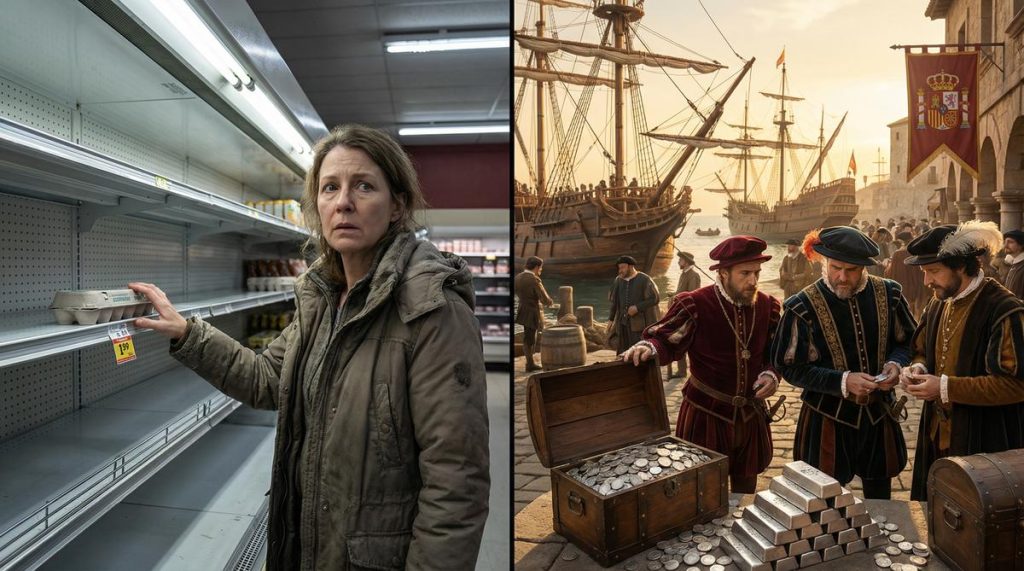
You see it at the grocery store, where the price of eggs seems to mock your budget. You feel it at the gas pump, watching the numbers climb with a sickening speed. You hear it in the news, a constant drumbeat of “persistent inflation,” “supply chain disruptions,” and “economic uncertainty.”
The Federal Reserve, our modern priesthood of finance, offers calming pronouncements, but the reality in our wallets tells a different story.
The system feels fragile, stretched thin, and dangerously close to a breaking point.
We are told this is a modern problem, a complex cocktail of post-pandemic logistics, geopolitical tensions, and sophisticated monetary policy.
But it is not.
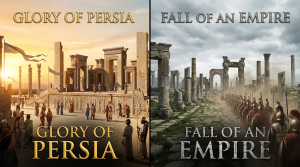
The story of a nation drowning in its own wealth, where a flood of new money and broken supply lines leads to ruin, is one of the oldest and most terrifying in economic history. Five hundred years ago, the Spanish Empire, the most powerful force on Earth, experienced a century-long inflationary collapse that mirrors our own predicament with chilling accuracy.
They discovered a mountain of silver, believing it was the key to infinite power. Instead, it became their curse.
The Mountain of Silver: A Flood of Empty Wealth
In the early 16th century, Spain was the master of the world. Its conquistadors had shattered the Aztec and Inca empires, and its galleons were beginning to haul unimaginable treasures from the New World back to Europe.
The discovery of massive silver deposits, particularly at Potosí (in modern-day Bolivia), was like finding a winning lottery ticket the size of a continent. Between 1500 and 1650, over 16,000 tons of silver were officially imported into Spain, doubling the entire silver supply of Europe. Unofficially, the amount was likely far greater.
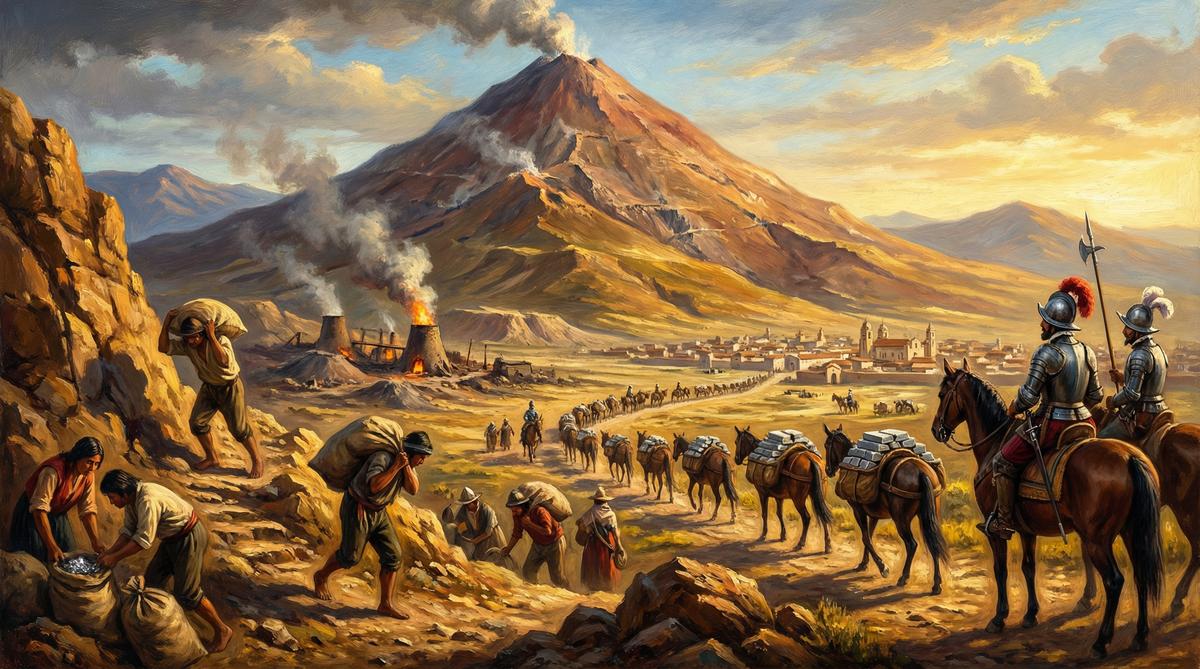
This sudden influx of wealth should have made Spain the most prosperous nation in history. Instead, it triggered the “Price Revolution.”
The Spanish government, flush with silver, went on an unprecedented spending spree. It funded endless wars across Europe, from the Netherlands to Italy, attempting to enforce its political and religious will. The monarchy paid its armies, its bureaucrats, and its creditors with this new silver, injecting it directly into the economy.
The result was predictable: more money chasing the same amount of goods.
Prices for everything—grain, wine, cloth—began to rise, slowly at first, then with terrifying speed. Over the course of the 16th century, prices in Spain quadrupled.
For the average person, it was a disaster. Their wages stagnated while the cost of living exploded.
The Hollowed-Out Empire: When a Nation Produces Nothing
The silver curse had a second, more insidious effect.
Why would a nation so rich in silver need to make anything? It became cheaper for Spain to import goods from its rivals—textiles from England, tools from France, paper from the Netherlands—than to produce them at home.
Spanish industries, once robust, withered and died. The country became a mere conduit for silver, which flowed in from the Americas and immediately flowed out to pay for foreign goods and foreign wars.
The nation was hollowed out from the inside.
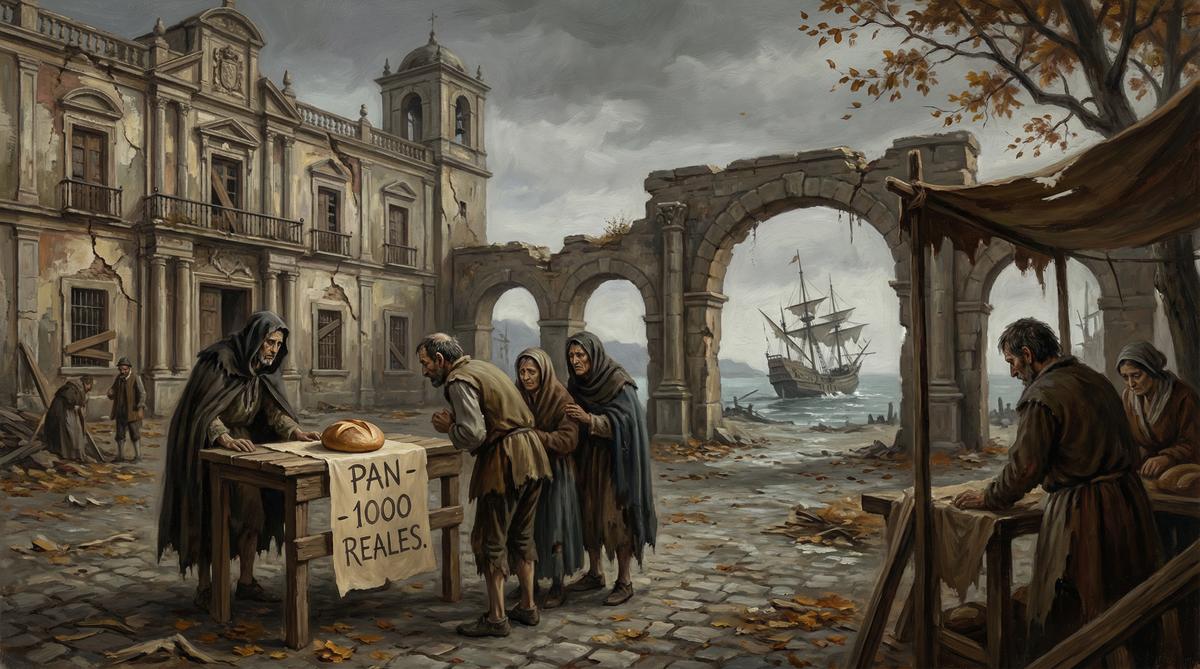
This created a fatal dependency on fragile, long-distance supply chains. The Spanish treasure fleets, massive convoys of galleons, became the lifeline of the empire.
When they were delayed by storms or attacked by English privateers, the entire economic system shuddered. The government couldn’t pay its debts, soldiers went unpaid, and the imported goods that people relied on for daily life vanished from the shelves.
Spain, the richest country in the world on paper, was living hand-to-mouth, utterly dependent on a supply chain stretching thousands of miles across a hostile ocean.
The Spanish Crown declared bankruptcy four times during the reign of Philip II alone—in 1557, 1560, 1575, and 1596. Each time, the government simply defaulted on its debts, destroying the livelihoods of the bankers and merchants who had financed its wars.
The cycle was vicious: borrow money, spend it on war, default, borrow again. The silver kept flowing, but it was never enough. The empire was bleeding out, one war at a time.
The Lesson: The Illusion of Printed Wealth
The collapse of the Spanish Empire was not a sudden event, but a slow, grinding decay caused by a fundamental misunderstanding of wealth.
The Spanish monarchy mistook money for value. They believed the silver itself was wealth, when in fact, true wealth is productive capacity—the ability to grow food, manufacture goods, and provide services.
By flooding the country with money while simultaneously destroying its ability to produce, they created a perfect storm of inflation and dependency.
Today, we are seeing a terrifying echo of the Spanish Price Revolution.
For decades, we have outsourced our manufacturing and embraced complex, globalized supply chains. We have been told this is efficient. At the same time, our own government has engaged in unprecedented levels of money creation, injecting trillions of dollars into the economy to paper over underlying problems.
The Federal Reserve’s own minutes, released just this week, reveal that officials remain “concerned about persistent inflation” above their 2% target. Consumer goods prices are surging as shipping costs skyrocket.
The parallels are not subtle—they are screaming.
We are rich in dollars but poor in the actual things we need to live. We have traded productive independence for the convenience of cheap imports, and now we are discovering, just as Spain did, that a supply chain stretching across an ocean is only as strong as its weakest link.
The Action: Reclaiming Your Independence
When the ships don’t arrive and the currency in your pocket buys less and less each day, what is the solution?
The lesson from the Spanish collapse is clear: true security cannot be imported, and it cannot be printed. It must be built, with your own hands, on your own land.
Waiting for the government or multinational corporations to fix this is a fool’s errand. They are the architects of the crisis. The only rational response is to opt out of their fragile system and create your own.
This is why we have dedicated ourselves to creating the 4ft Farm Blueprint. It is a practical, step-by-step guide to building a resilient and productive homestead, a source of food and independence that cannot be devalued by the Federal Reserve or stranded on a container ship in the Pacific.
It is not just a plan for a garden; it is an escape route from a failing system.
To further your journey toward self-reliance, we recommend these essential resources:
- HomesteaderDepot.com: The tools and knowledge for a truly independent life.
- SelfRelianceReport.com: Uncompromising analysis of the threats to our freedom.
- SurvivalStronghold.com: Practical strategies for protecting your family in uncertain times.
- SevenHolistics.com: Achieving health sovereignty in an age of medical dependency.
The Spanish Empire learned too late that a mountain of silver is no substitute for a field of wheat. We cannot afford to make the same mistake.