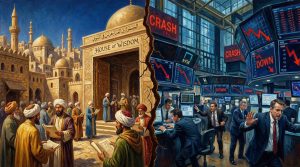
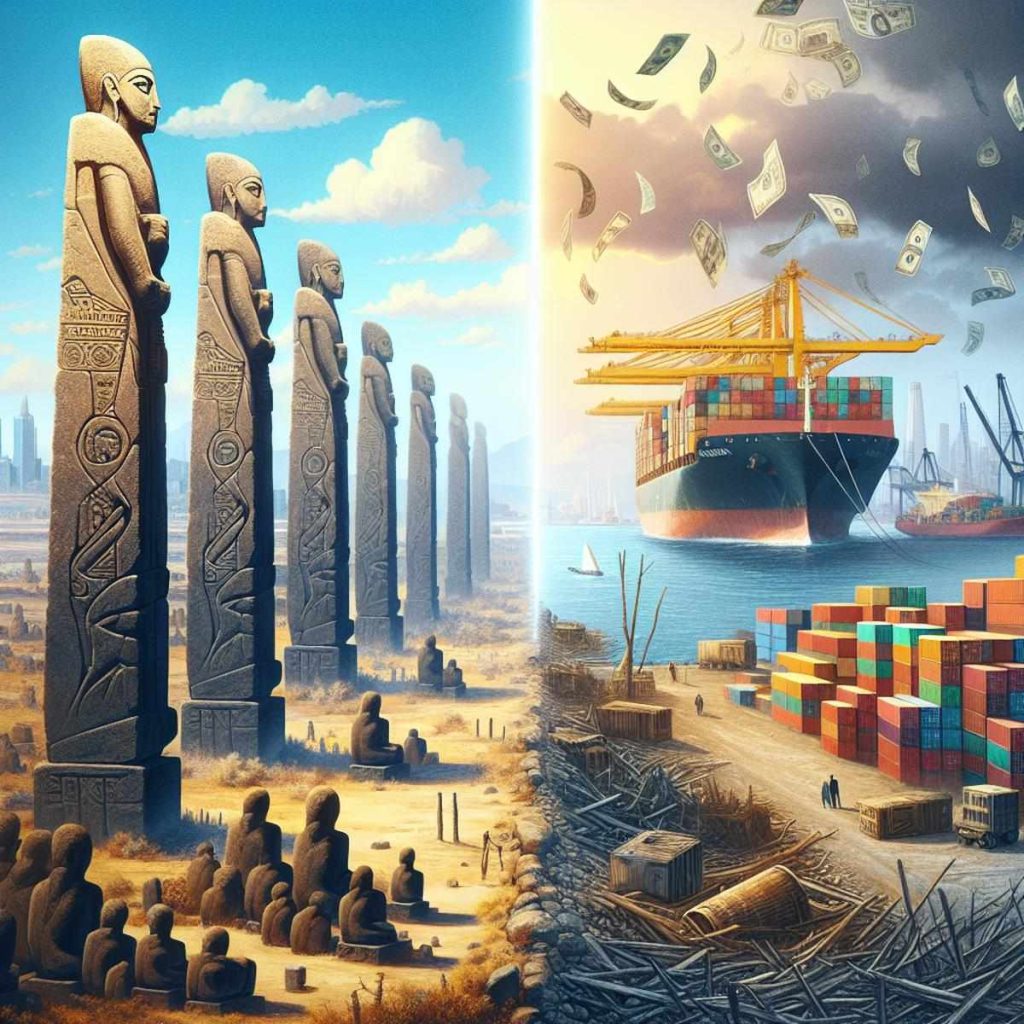
The United States is systematically dismantling the global trade network it spent 80 years building.
In just the past week, the escalation of new tariffs has sent shockwaves through global supply chains. Trade between the U.S. and China has plummeted by 30%, and the White House is actively waiving shipping laws while threatening allies and adversaries alike.
But the real danger isn’t the tariffs—it’s the vacuum they leave behind.
As America retreats behind a wall of protectionism, the rest of the world is not waiting. China is rapidly becoming the “factory to the factories,” stepping in to fill the void in ASEAN nations and the Global South. Global leaders, doubting U.S. reliability, are strengthening ties with Beijing.
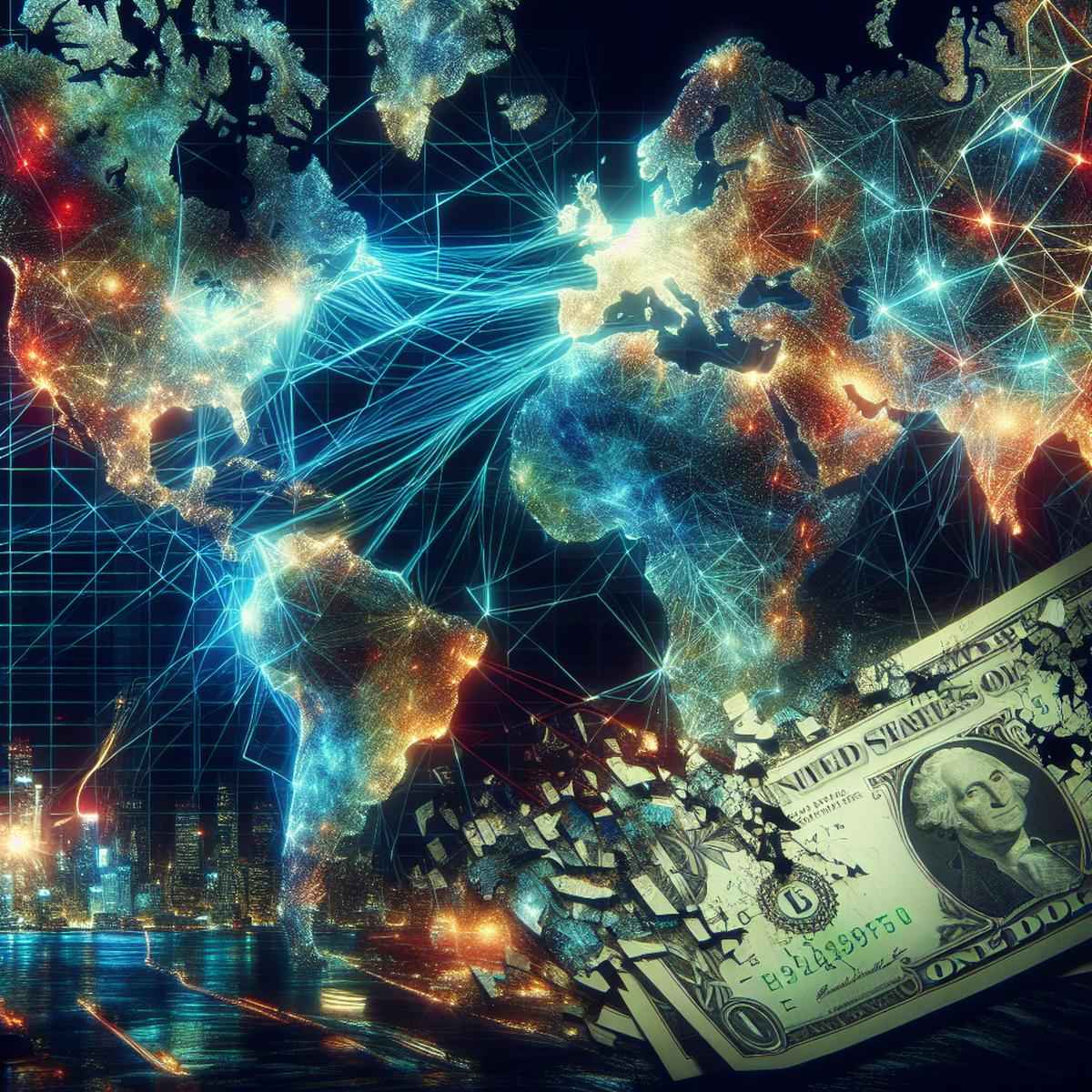
The BRICS nations are accelerating their de-dollarization efforts, building financial infrastructure that bypasses Washington entirely.
We are voluntarily isolating ourselves from the very system that made us a superpower.
For decades, America’s strength wasn’t just its military; it was its position at the absolute center of global commerce. We controlled the sea lanes, we wrote the trade rules, and our currency was the lifeblood of international exchange.
But history offers a stark warning about empires that control the crossroads of the world—and then lose them.
When you cut yourself off from the network, the network simply routes around you.
The Kingdom at the Crossroads
In the first century C.E., the Kingdom of Aksum arose in the highlands of northern Ethiopia.
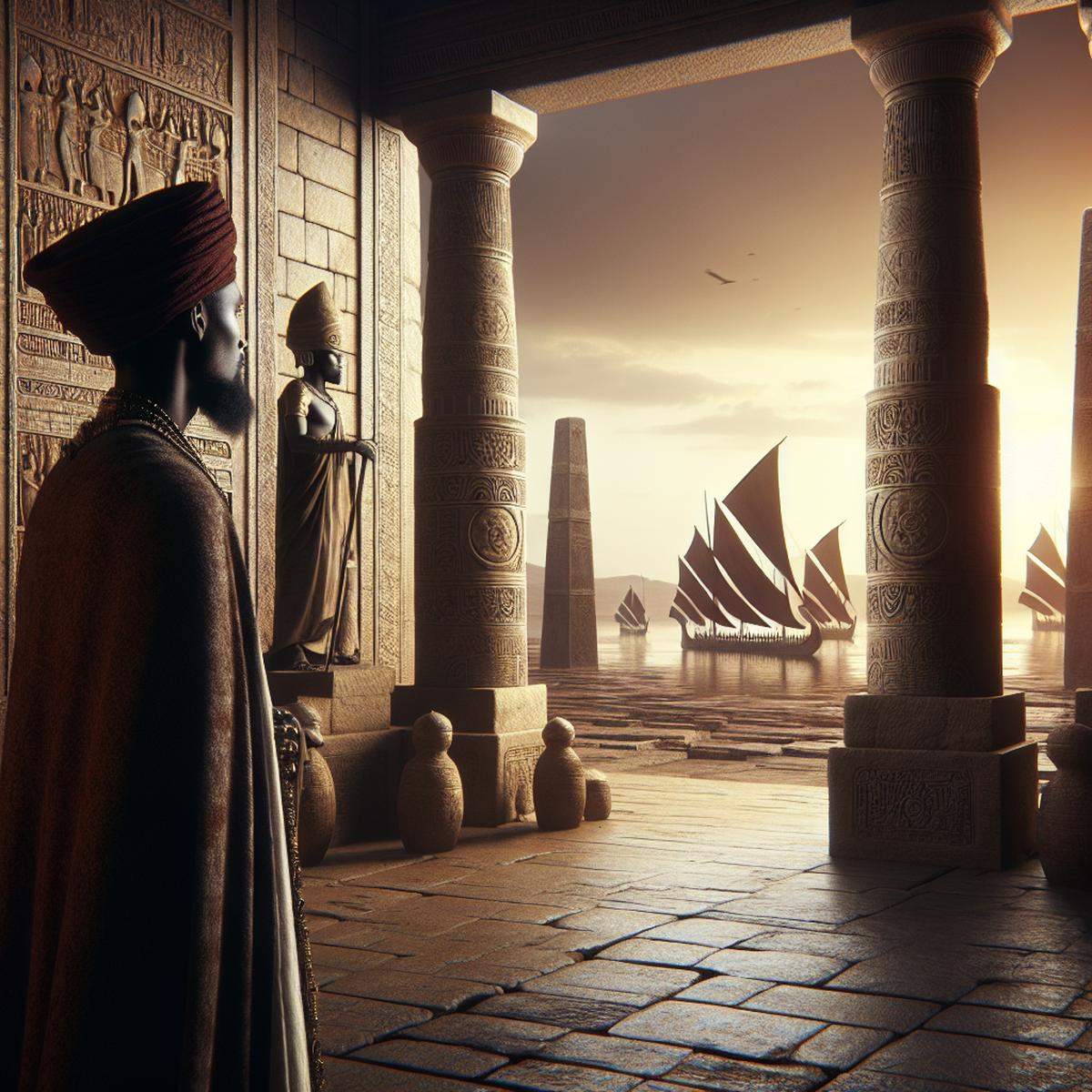
It was a true superpower of the ancient world, rivaling Rome, Persia, and China. Aksum’s wealth and power came from one strategic advantage: it controlled the Red Sea trade routes.
They were the gatekeepers between the Roman Empire and the riches of India.
The Aksumites were master merchants. They exported gold, ivory, and frankincense, while importing silk, spices, and steel. Their capital city was a thriving, cosmopolitan metropolis.
They were so dominant that Aksum became the first African nation to mint its own coins in gold, silver, and bronze—coins that have been found as far away as India.
“Aksum was so dominant in Red Sea commerce that the Roman Empire considered it one of the four great powers of the ancient world, alongside Rome itself, Persia, and China.” — National Geographic
Their currency was trusted across the known world.
For centuries, Aksum thrived on this interconnectedness. They expanded their territory, built towering stone stelae, and even sent military forces across the Red Sea to subdue Yemen and protect their Christian allies.
They were not just participants in global trade; they were the indispensable hub.
But an empire built on trade is only as strong as its connections.
The Trap of Isolation
The parallel to modern America is undeniable.
Just as Aksum controlled the Red Sea, America has controlled the global oceans and the financial SWIFT system. Just as Aksum’s gold coins were the standard of exchange, the U.S. dollar has been the undisputed reserve currency.
But Aksum’s dominance did not last.
In the seventh century, the geopolitical landscape shifted dramatically. The ascendance of Arab Muslims led to a new dominant power in the region. Crucially, this new power assumed naval control of the Red Sea.
Aksum wasn’t conquered in a massive, fiery invasion. They were simply bypassed.
The trade routes shifted, and the wealth stopped flowing.
As Islamic forces took control of the Red Sea and the Nile, Aksum was forced into economic isolation. The mercantile revenue that funded their nobility, their military, and their infrastructure evaporated.
Without the flow of global trade, the centralized state could no longer hold itself together. Environmental degradation and internal pressures compounded the crisis, but the fatal blow was the loss of their network.
They became an isolated island in a world that had moved on.
By the end of the eighth century, the once-mighty Kingdom of Aksum had faded into a “dark age,” its power eroded entirely.
The End of the American Hub
Today, the United States is facing its own Red Sea moment.
By aggressively wielding tariffs as a weapon and retreating from international trade agreements, we are not protecting our economy—we are isolating it.
We are forcing the world to build new routes.
As we pull back, China is eagerly stepping into the role of the indispensable hub. They are brokering new trade deals, expanding their Belt and Road Initiative, and cementing their status as the primary trading partner for the majority of the globe.
Just as the Arab Muslims bypassed Aksum, the BRICS nations are building the financial and logistical infrastructure to bypass the United States.
Trade between the U.S. and China declined by 30% last year due to steep tariffs, yet China stepped up to become the “factory to the factories” for ASEAN nations and the Global South. — Fortune, March 2026
If the U.S. dollar loses its status as the global reserve currency, the consequences will be catastrophic. The cost of imported goods will skyrocket, and our ability to finance our massive national debt will vanish.
We are watching the slow, deliberate dismantling of American economic supremacy.
The Path to Resilience
It is easy to look at the shifting of global power and feel a profound sense of vulnerability. To watch the empire retreat and wonder what will be left when the dust settles.
But history teaches another, more powerful lesson.
When great, centralized systems fail or retreat, they create a vacuum. And into that vacuum rushes the opportunity for something new. The people who survived the decline of Aksum were not the ones who waited for the trade ships to return.
They were the ones who adapted. They shifted their focus inward, relying on the fertile highlands to build local, resilient agricultural communities. They decentralized.
The end of an empire is the beginning of local sovereignty.
This is not a call to despair over the loss of global dominance. It is a call to build a better, more resilient life, starting in your own backyard. When the global supply chains fracture, the only security is what you can produce, protect, and provide yourself.
True power is not controlling the world; it is controlling your own destiny.
The Blueprint for Hope
Building a resilient future starts with a single, powerful step: taking control of your own resources.
When the global food supply chains that America’s diplomatic power protected are at risk, 4ft Farm Blueprint is not just about gardening; it’s about food sovereignty. It’s the first chapter in your family’s story of independence.
Real wealth is the land under your feet and the tools in your hands. Homesteader Depot provides the knowledge to build a life that doesn’t rely on a fragile global system that can simply choose to stop showing up.
Centralized global systems abdicate and collapse, but decentralized people survive and rebuild. The Self Reliance Report offers the timeless playbook for protecting your own in the age of personal sovereignty.
The skills that outlast empires are the ability to make, fix, and provide. Survival Stronghold elevates those who are prepared to be the builders of the next era.
Your body is the only empire that cannot be abdicated. While global systems retreat, your health sovereignty is the one thing you build and keep, starting from the inside out with Seven Holistics.
When the empire retreats, the medical supply chains go with it. Freedom Health Daily ensures your ability to source and protect your own wellness is your most important investment right now.
The world is moving on. It’s time to build your own stronghold.