Is History Repeating? The 360-Year-Old Warning We Can’t Ignore
The Modern Mystery
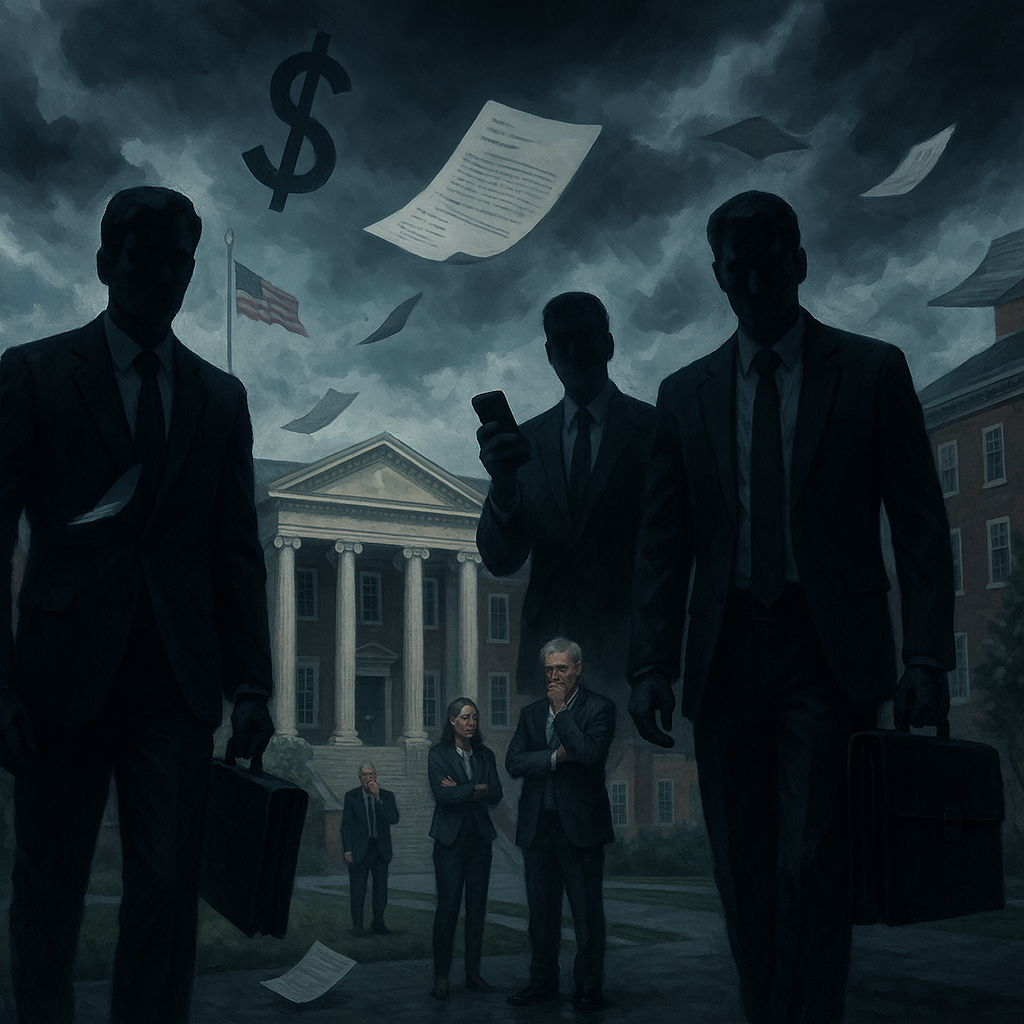
Something strange is happening in American universities. It’s not about tuition hikes or campus protests. It’s quieter, more insidious, and it’s happening in the hushed halls of power, where billion-dollar endowments meet political pressure.
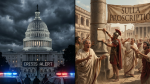
In the last few months, we’ve seen a wave of unprecedented settlements. Columbia University agreed to a staggering $220 million payout to avoid further government scrutiny. The University of Pennsylvania, under similar pressure, revoked athletic records. Harvard is locked in a public battle with the administration, a fight that feels less like a policy dispute and more like a targeted campaign.
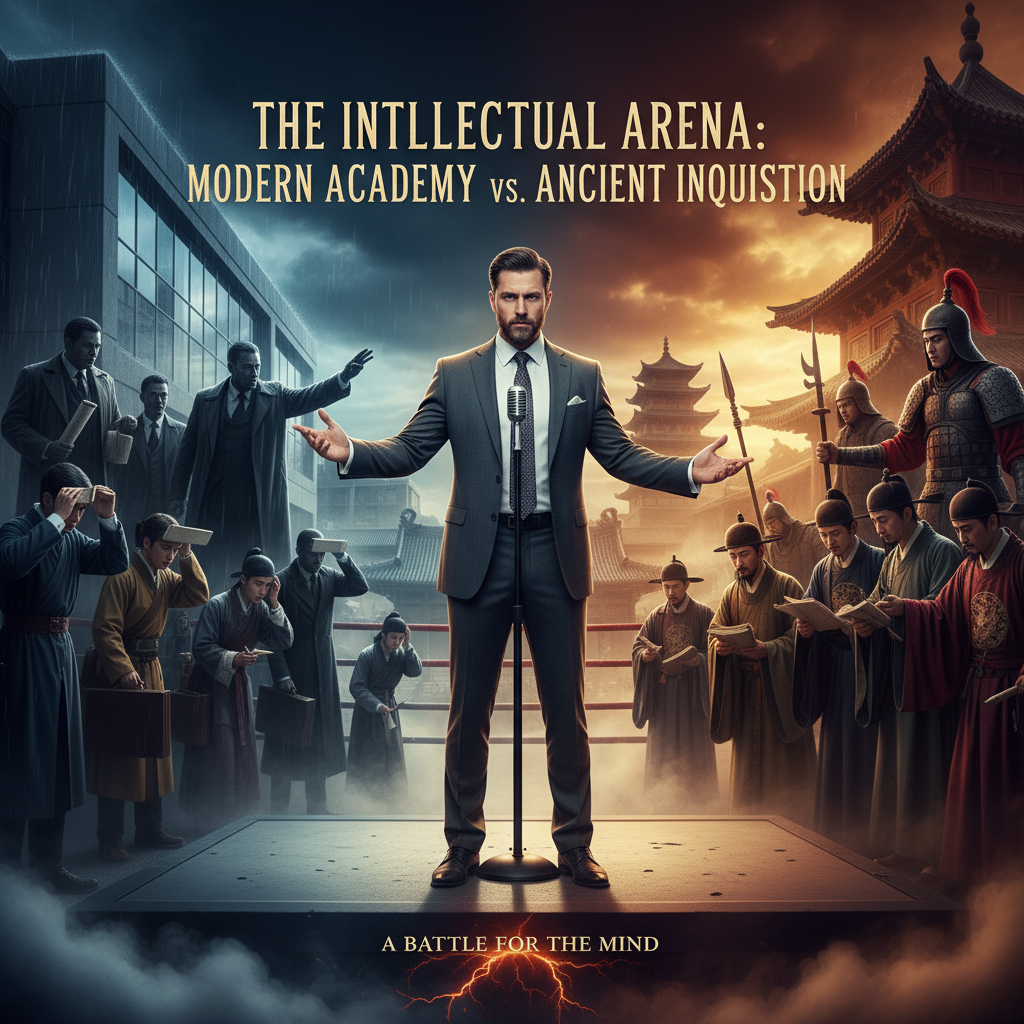
These aren’t isolated incidents. They’re part of a pattern, a slow, creeping pressure on our most prestigious institutions of learning. It’s a power play, a message being sent from Washington: fall in line, or face the consequences. The weapons aren’t swords and shields, but lawsuits, funding threats, and public shaming.
But what if I told you this isn’t a new story? What if this exact same drama played out centuries ago, in a land far away, with even more brutal consequences? What if the pressure campaign we’re seeing today is just a modern echo of a 360-year-old warning, a warning written in blood and ink, a warning we can’t afford to ignore?
The Time Portal
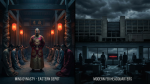
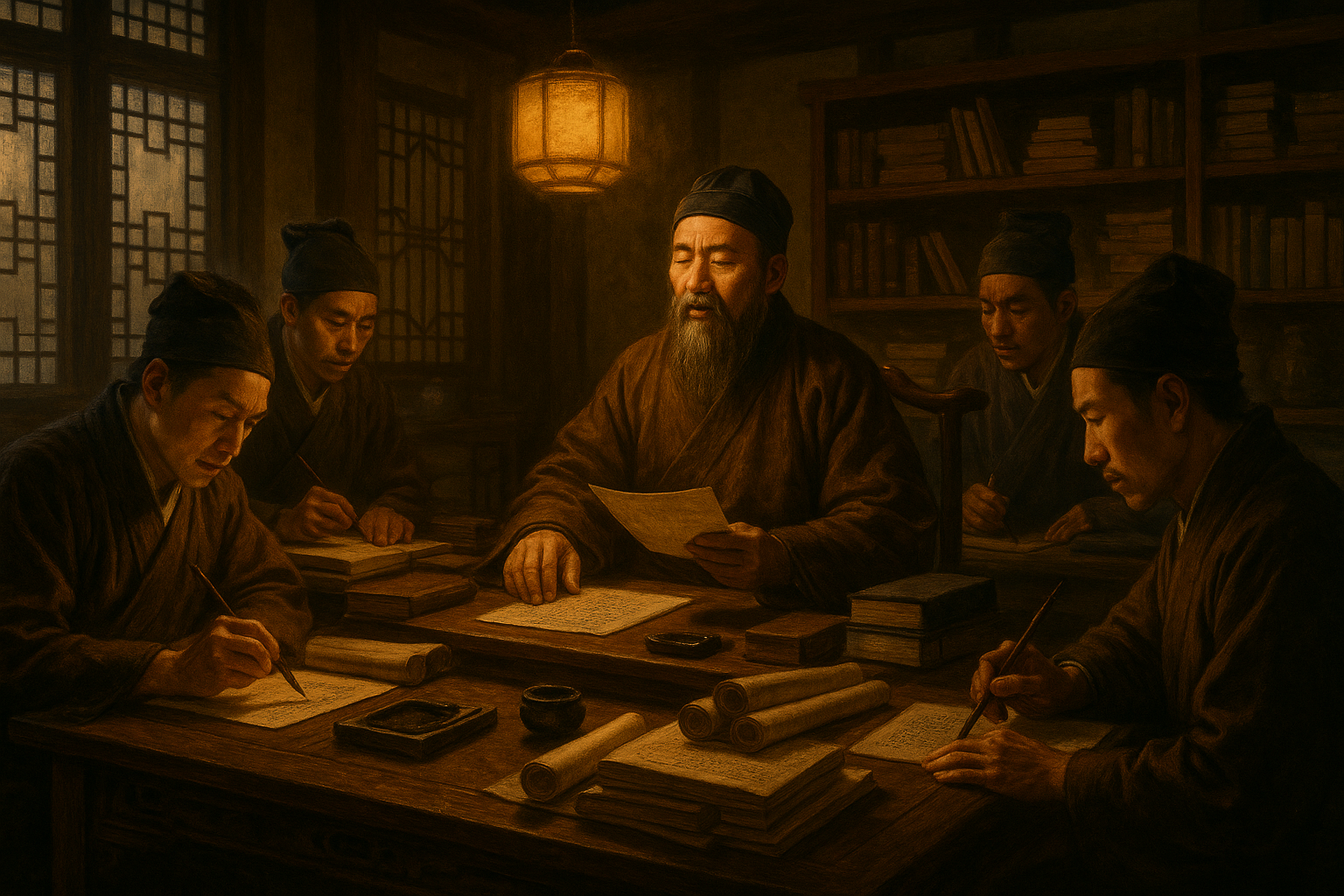
Let’s travel back in time. The year is 1661. The place, Nanxun, a prosperous town in southern China, crisscrossed by canals and famed for its silk and scholars. Here lived a man named Zhuang Tinglong, a wealthy merchant with a singular, all-consuming ambition. Zhuang was blind, but he dreamed of leaving a legacy that would outshine his sightless eyes. He wanted to write a definitive history of the fallen Ming Dynasty, a project to rival the great historians of China’s past.
He poured his fortune into the project, hiring a team of sixteen of the brightest scholars in the region. They worked in secret, poring over ancient texts and piecing together the story of the dynasty that had been overthrown by the new Manchu rulers of the Qing Dynasty. It was a dangerous game. The new dynasty was paranoid, obsessed with stamping out any lingering loyalty to the old regime. To even mention the old Ming era names and titles was considered an act of rebellion.
Zhuang Tinglong never saw his masterpiece published. He died in 1655, leaving the project to his father, Zhuang Yuncheng. In 1660, the proud father, wanting to honor his son’s memory, had the book printed. It was a beautiful, multi-volume work, a testament to his son’s ambition. But within its pages, it carried the seeds of its own destruction. The book used the old Ming calendar, referred to the Manchu emperors by their personal names, and called the ruling class “barbarians.” To the Qing government, this wasn’t just a history book. It was treason. It was treason. It was treason.
It was treason.
The Parallel Revelation
And then the hammer fell. A corrupt local official, Wu Zhirong, saw an opportunity. He had tried to extort money from the Zhuang family and been refused. Now, he had his revenge. He reported the book to the authorities, not just once, but multiple times, pushing it up the chain of command until it reached the highest levels of power in Beijing.
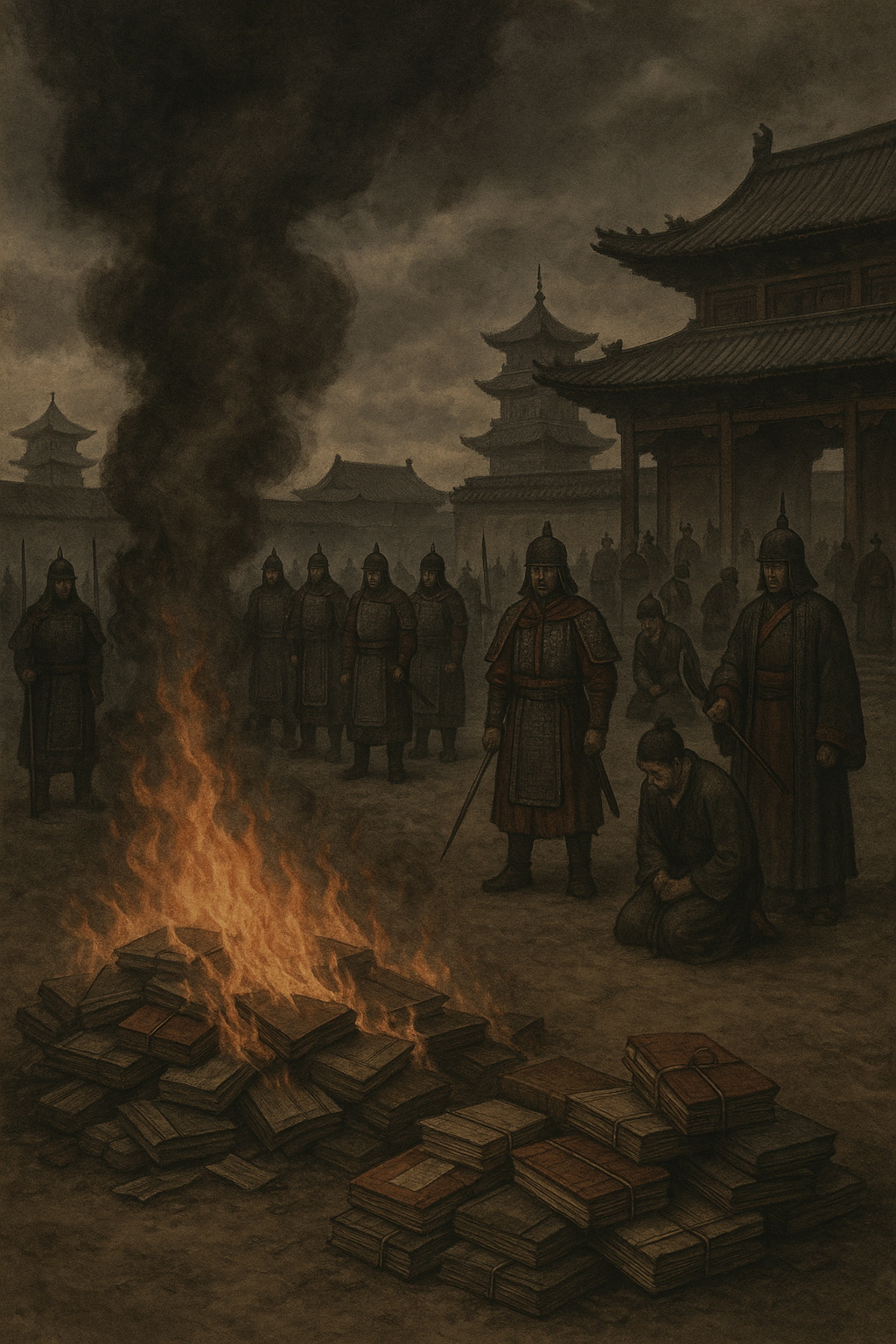
The response was swift and brutal. The emperor’s regent, the powerful Oboi, dispatched investigators to Huzhou. What followed was not an investigation, but a purge. It became known as the Zhuang Tinglong case, one of the most infamous literary inquisitions in Chinese history.
Anyone associated with the book was arrested. The printers. The booksellers. The scholars who had helped write it. Even people who had simply purchased a copy. The Zhuang family was wiped out. Zhuang Tinglong’s corpse was dug up from his grave and desecrated. His brother was executed by *lingchi*, the horrifying “death by a thousand cuts.” Over seventy people were put to death, their families destroyed. Thousands more were implicated, their lives ruined.
Now, look back at the headlines from today. A university forced into a $220 million settlement. Another revoking athletic records under pressure. A third locked in a public battle with the government. The methods are different, of course. We don’t see public executions or the desecration of graves. But the underlying principle is the same. A powerful central authority, demanding absolute loyalty, using its power to crush any institution that dares to show even a hint of independence.
The Zhuang Tinglong case wasn’t about a book. It was about power. It was about sending a message: we control what you think, what you write, what you teach. We control history itself. And if you defy us, we will destroy you.
Is that so different from what we’re seeing today? When a government can force a university to pay hundreds of millions of dollars to avoid a legal battle, is that not a form of intellectual suppression? When scholars and administrators live in fear of a tweet, a lawsuit, or a funding cut, is that not a modern-day inquisition?
The Pattern Recognition
This pattern is as old as history itself. Authoritarian rulers, whether they are emperors in ancient China or modern-day presidents, have always understood that true power lies not in controlling armies, but in controlling minds. And the first step to controlling minds is to control the institutions that shape them: the universities, the libraries, the printing presses, the centers of learning and debate.
Why? Because these are the places where inconvenient questions are asked. Where uncomfortable truths are spoken. Where new ideas are born. These are the places that teach people *how* to think, not *what* to think. And for a ruler who demands absolute obedience, that is the most dangerous thing in the world.
So they attack. They use whatever weapons they have at their disposal. In 17th-century China, it was the executioner’s sword. In 21st-century America, it’s the lawsuit, the funding threat, the public shaming campaign. The goal is the same: to create a climate of fear, to silence dissent, to make an example of those who resist, so that others will be too afraid to speak up.
It starts slowly. A controversial speaker is disinvited. A research grant is mysteriously denied. A university president is forced to resign. And then it escalates. A multi-million dollar lawsuit. A public campaign of vilification. A threat to federal funding. Each step is designed to chip away at the independence of our intellectual institutions, to make them more compliant, more obedient, more afraid.
The Ancient Warning
What happened in China after the Zhuang Tinglong case? The literary inquisitions continued for another 180 years. An entire generation of scholars learned to self-censor, to avoid controversial topics, to write what was safe, not what was true. Intellectual life stagnated. China, once the most technologically and culturally advanced civilization on Earth, began to fall behind.
This is the ancient warning. The suppression of intellectual freedom is not just an attack on a few professors or a few universities. It is an attack on the very engine of progress. It is an attack on our ability to solve problems, to innovate, to create a better future. It is an attack on the soul of a nation.
When we allow our institutions of learning to be intimidated into silence, we are not just losing a few books or a few controversial ideas. We are losing the very thing that makes us strong: our ability to think freely, to question authority, to pursue the truth, no matter how uncomfortable it may be.
We are on a dangerous path. The parallels to the past are too clear to ignore. The question is, will we heed the warning? Or will we, like the scholars of the Qing Dynasty, learn to live in fear, to whisper when we should shout, to look away when we should be paying attention?

5 Things You Can Do This Week
History is not a spectator sport. It is a call to action. Here are five things you can do this week to better prepare yourself and your family for the challenges ahead:
1. **Support Independent Media:** Seek out and support news sources that are not beholden to corporate or political interests. A great place to start is [Self-Reliance Report](https://selfreliancereport.com), which focuses on providing unbiased information for independent thinkers.
2. **Learn a New Skill:** In times of uncertainty, practical skills are more valuable than gold. Check out [Homesteader Depot](https://homesteaderdepot.com) for resources on everything from gardening to food preservation.
3. **Protect Your Health:** A strong body and mind are your best defense against any crisis. [Freedom Health Daily](https://freedomhealthdaily.com) offers practical advice on how to stay healthy and resilient in a toxic world.
4. **Build Your Community:** Get to know your neighbors. Build local networks of mutual support. A strong community is the best insurance against any storm. [Survival Stronghold](https://survivalstronghold.com) has great articles on community building for preparedness.
5. **Cultivate Your Mind:** Don’t let anyone tell you what to think. Read banned books. Study history. Learn to think critically. [Seven Holistics](https://sevenholistics.com) has resources for developing a strong and independent mind.
—
Sponsored by 4ft Farm Blueprint
Ready to take the first step towards self-reliance? The [4ft Farm Blueprint](https://4ftfarmblueprint.com/) is a revolutionary system that teaches you how to grow your own food in just 4 feet of space. It’s the perfect solution for anyone who wants to be more prepared, more independent, and more in control of their own food supply. Click here to learn more and get started today!
—
Sponsored by The Ready Report
Want to be the most prepared person in your neighborhood? [The Ready Report](https://readyreport.com) is a free newsletter that delivers the latest preparedness news, tips, and gear reviews directly to your inbox. Sign up today and get a free copy of our special report, “The 5 Things You Must Do to Survive the Next Crisis.”
Sponsored by 4ft Farm Blueprint
Ready to take the first step towards self-reliance? The 4ft Farm Blueprint is a revolutionary system that teaches you how to grow your own food in just 4 feet of space. It’s the perfect solution for anyone who wants to be more prepared, more independent, and more in control of their own food supply. Click here to learn more and get started today!
Sponsored by The Ready Report
Want to be the most prepared person in your neighborhood? The Ready Report is a free newsletter that delivers the latest preparedness news, tips, and gear reviews directly to your inbox. Sign up today and get a free copy of our special report, “The 5 Things You Must Do to Survive the Next Crisis.”