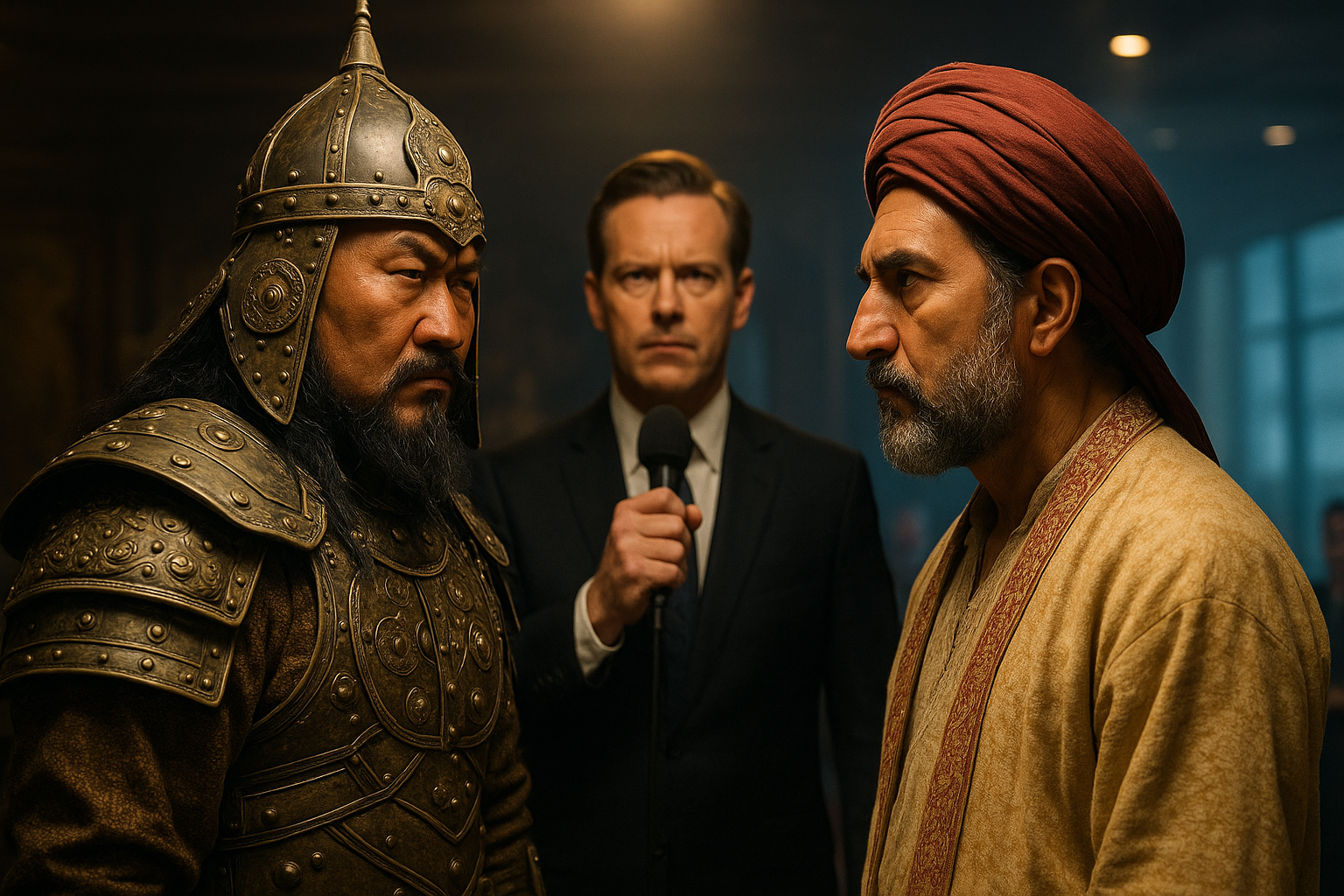
In the sterile corridors of Washington D.C., a new kind of power play is unfolding. It’s a quiet, corporate conquest, not with armies, but with phone calls and backroom deals. Commerce Secretary Howard Lutnick, a man who embodies the fusion of Wall Street and Washington, is pioneering a new model of government influence. The target? America’s own corporate titans.
Take Intel, the crown jewel of American innovation. After a series of thinly veiled threats from the White House, the tech giant found itself in an unprecedented position: the U.S. government was now its largest shareholder. This wasn’t a bailout; it was a power grab. Lutnick’s newly formed “Investment Accelerator” is being used to strong-arm companies into giving up equity in exchange for… what? Protection? Favor? The lines are blurry, but the message is clear: play ball, or face the consequences.
As one Harvard economist put it, it’s like the mob showing up and saying, “Nice business you have here. I wouldn’t want anything to happen to it.”
This isn’t just a one-off deal. It’s a pattern. From U.S. Steel to critical mineral producers, the government is inserting itself into the private sector in ways that would make traditional conservatives shudder. It’s a move that feels both shockingly new and eerily familiar. To understand what’s happening, we need to look back in time, to an empire that perfected the art of the state-sponsored shakedown.
The Time Portal
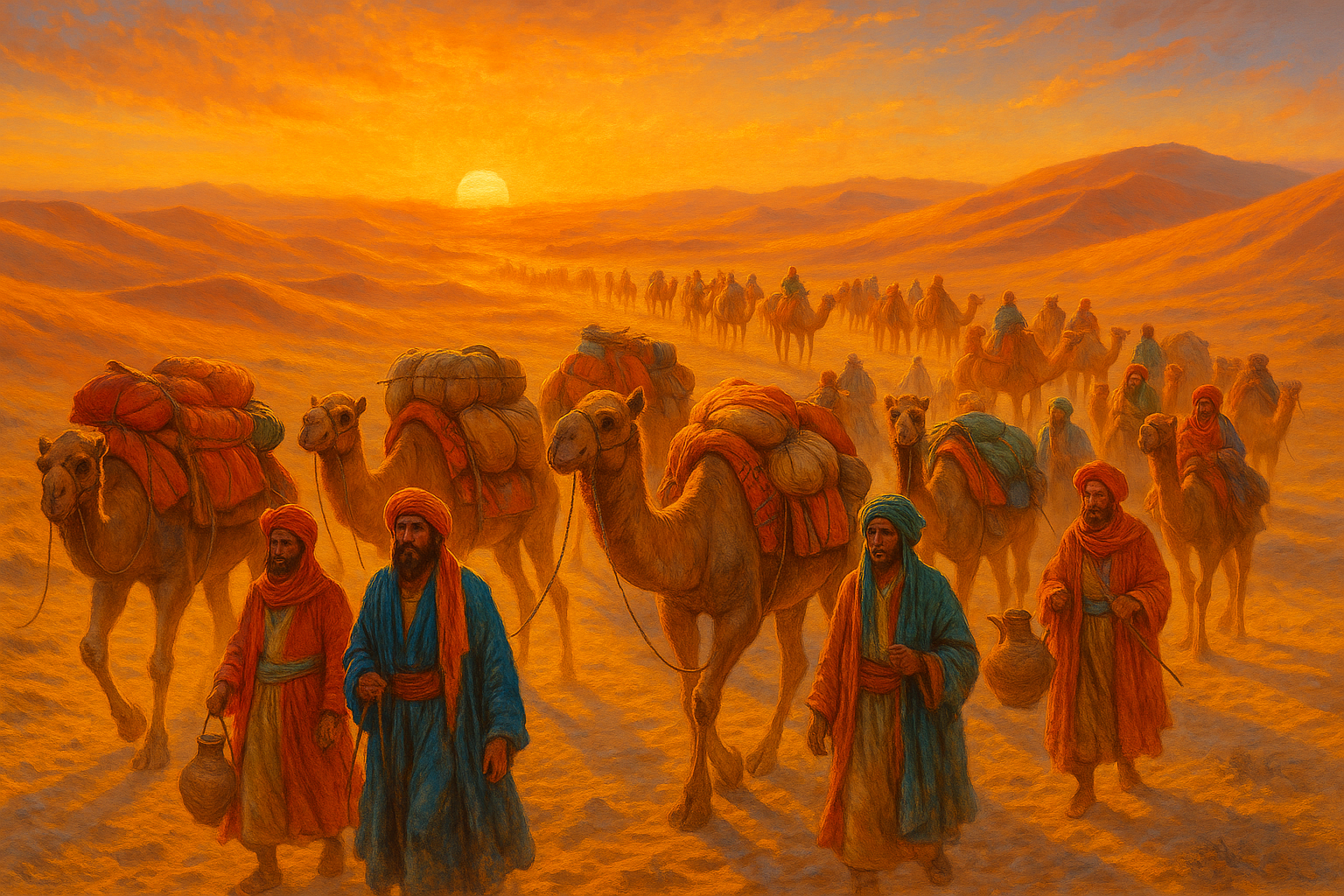
Imagine the year is 1240. You are a merchant, your caravan of camels laden with silk and spices, trekking across the vast, unforgiving expanse of the Eurasian steppe. The world has been turned upside down by the Mongol hordes. Cities that resisted have been turned to dust, their populations scattered to the winds.
Yet, amidst this chaos, an unprecedented era of trade is dawning, all under the watchful, and demanding, eye of the Great Khan.
This is the world of the Pax Mongolica, the Mongol Peace. But this peace comes at a price. The Mongols, masters of both conquest and commerce, have devised a system to control the lifeblood of their empire: trade. They call it the ortogh. It’s a merchant association, a partnership, but not between equals. It’s a partnership with the Mongol state itself.
The Parallel Revelation
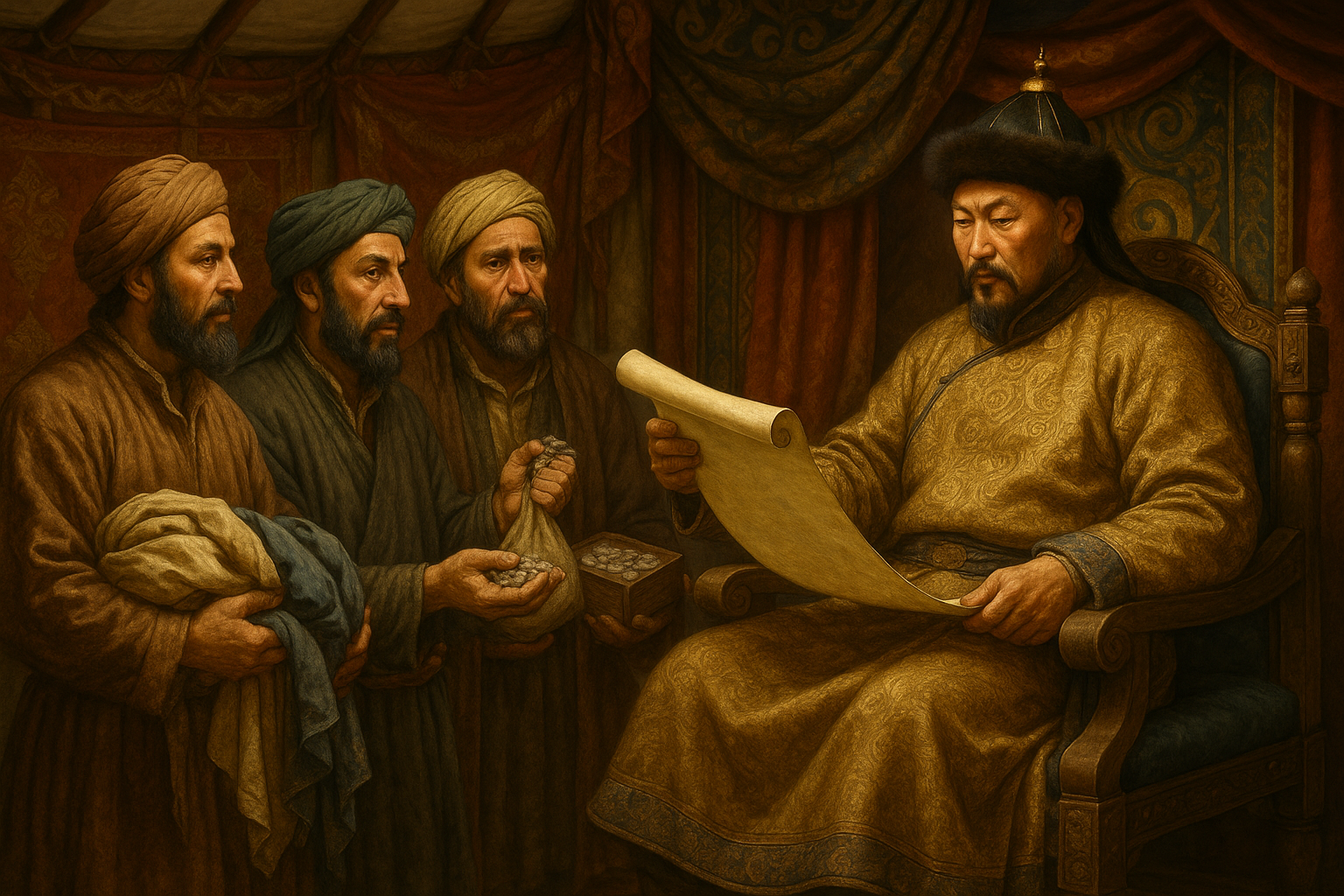
The ortogh system was the Mongol Empire’s “Investment Accelerator.” It was a brilliantly coercive system that fused the power of the state with the engine of private commerce. The parallels to what is unfolding in Washington today are as striking as they are chilling.
The Mongol Khans didn’t just ask for taxes; they demanded a partnership. They offered protection from the very chaos they had created, in exchange for a controlling stake in the profits. Today, we see a similar dynamic. The government creates regulatory uncertainty, threatens tariffs, and then offers a “partnership” as the solution.
The language is different, but the logic is identical. It’s the age-old protection racket, scaled up to the level of global corporations.
Lutnick’s “Investment Accelerator” is the modern ortogh. It’s a vehicle for the state to inject itself into the private sector, not as a regulator, but as a shareholder, a partner with a vested interest and the power to make or break a company. The deal with Intel wasn’t a negotiation between equals; it was a demand. Submit, and you will be favored. Resist, and you will be crushed.
The Pattern Recognition
Why does this pattern repeat itself? Why do governments, separated by centuries and continents, resort to the same coercive tactics? The answer lies in the fundamental nature of power. Rulers, whether a Mongol Khan or a modern president, seek to control the resources that underpin their authority.
In an age of global commerce, that means controlling the flow of capital and the means of production.
The fusion of state and corporate power is a seductive one for any ruler. It offers the promise of immense wealth without the messy business of direct taxation. It allows the state to pick winners and losers, to reward loyalty and punish dissent, all under the guise of “partnership” and “national interest.”
This is not capitalism. It is not socialism. It is a more ancient and primal form of economic control: the tribute system, repackaged for the 21st century.
The Ancient Warning

The Mongol Empire, for a time, became fabulously wealthy through the ortogh system. The Silk Road flourished, and goods and ideas flowed across Eurasia as never before. But the system carried the seeds of its own destruction.
By making merchants dependent on the state, the Mongols stifled the very innovation and risk-taking that drives economic progress. The ortogh system became rife with corruption and inefficiency. The focus shifted from creating value to currying favor with the court.
When the Mongol Peace eventually shattered, the trade routes collapsed, and the empire fragmented. The coerced partnerships dissolved, and the merchants, for better or worse, were once again on their own.
The lesson from the steppes is clear: when the state becomes the dominant player in the economy, when it uses its coercive power to extract wealth from the private sector, it may enjoy a short-term boom, but it sets the stage for long-term decay.
5 Things You Can Do This Week
History is not just a story; it’s a warning. The patterns of the past are playing out before our eyes. Here are five things you can do to prepare for a future where the lines between government and business are increasingly blurred:
- Diversify Your Assets: Don’t keep all your eggs in one basket. Learn about alternative investments and how to protect your wealth from government overreach at SelfRelianceReport.com.
- Build Your Own Supply Chain: Become less dependent on fragile, centralized systems. Discover how to grow your own food and become more self-sufficient at HomesteaderDepot.com.
- Secure Your Health: In times of uncertainty, your health is your most valuable asset. Explore natural and holistic health solutions at FreedomHealthDaily.com and SevenHolistics.com.
- Strengthen Your Community: Build local networks of mutual support. A strong community is the best defense against top-down control. Learn about building resilient communities at SurvivalStronghold.com.
- Stay Informed: Knowledge is power. Continue to educate yourself about the historical patterns that are shaping our world. Follow AmericanDownfall.com for more insights into the parallels between past and present.
Sponsored by 4ft Farm Blueprint
Ready to take control of your food supply? The 4ft Farm Blueprint is a revolutionary system that teaches you how to grow a year’s worth of food in a tiny, 4-foot space. Stop being dependent on a fragile food system and start building your own personal homestead. Click here to learn more and get your 4ft Farm Blueprint today!
Sponsored by Midas Gold Group
In times of economic uncertainty, gold is the ultimate safe haven. Midas Gold Group can help you protect your wealth with physical gold and silver. Don’t let your hard-earned savings be devalued by government manipulation. Request your free guide to investing in gold and silver from Midas Gold Group today!