The Modern Mystery
In the heart of Washington D.C., a silent war is raging. It’s not a war of soldiers and tanks, but a war of ideas, of power, and of the very foundations of the American financial system. On one side stands the President of the United States, a man accustomed to getting his way, demanding that the nation’s central bank, the Federal Reserve, bend to his will. On the other side stands the Federal Reserve, an institution designed to be independent, a bulwark against the whims of political pressure, insisting on its data-driven approach to monetary policy.
The President wants lower interest rates, a move that would juice the economy in the short term, but could have long-term consequences. The Fed, however, is holding its ground, making only a modest cut and signaling its refusal to be bullied. The standoff has escalated to the point where the President is attempting to fire a Fed governor, an unprecedented move that threatens to shatter the institution’s independence and send shockwaves through the global economy.
It feels like a uniquely modern crisis, a product of our turbulent political times. But what if I told you that this exact same drama played out 2,500 years ago, in the heart of the ancient Persian Empire? What if I told you that a young, ambitious king faced an almost identical institutional rebellion, and that his response not only saved his empire from collapse but also created a system of governance so effective it would be copied for centuries to come? This isn’t just a historical curiosity; it’s a warning, a lesson, and a roadmap for navigating the treacherous waters of our own time.
The Time Portal
Picture this: the year is 522 BCE. The Persian Empire, the largest the world has ever seen, is teetering on the brink of collapse. The king, Cambyses II, is dead, having perished under mysterious circumstances while returning from his conquest of Egypt. In his absence, a man claiming to be his brother, Bardiya, has seized the throne. But there’s a problem: the real Bardiya was secretly murdered years ago. The man on the throne is an imposter, a priest named Gaumata, and the empire knows it.
Chaos erupts. From the sun-scorched plains of Mesopotamia to the rugged mountains of Anatolia, the satraps, the powerful regional governors who rule the empire’s provinces, see their chance. They declare their independence, refusing to bow to a pretender. The carefully constructed administrative machine that held the vast empire together is grinding to a halt. Tribute payments stop, armies are recalled, and the specter of civil war looms large.
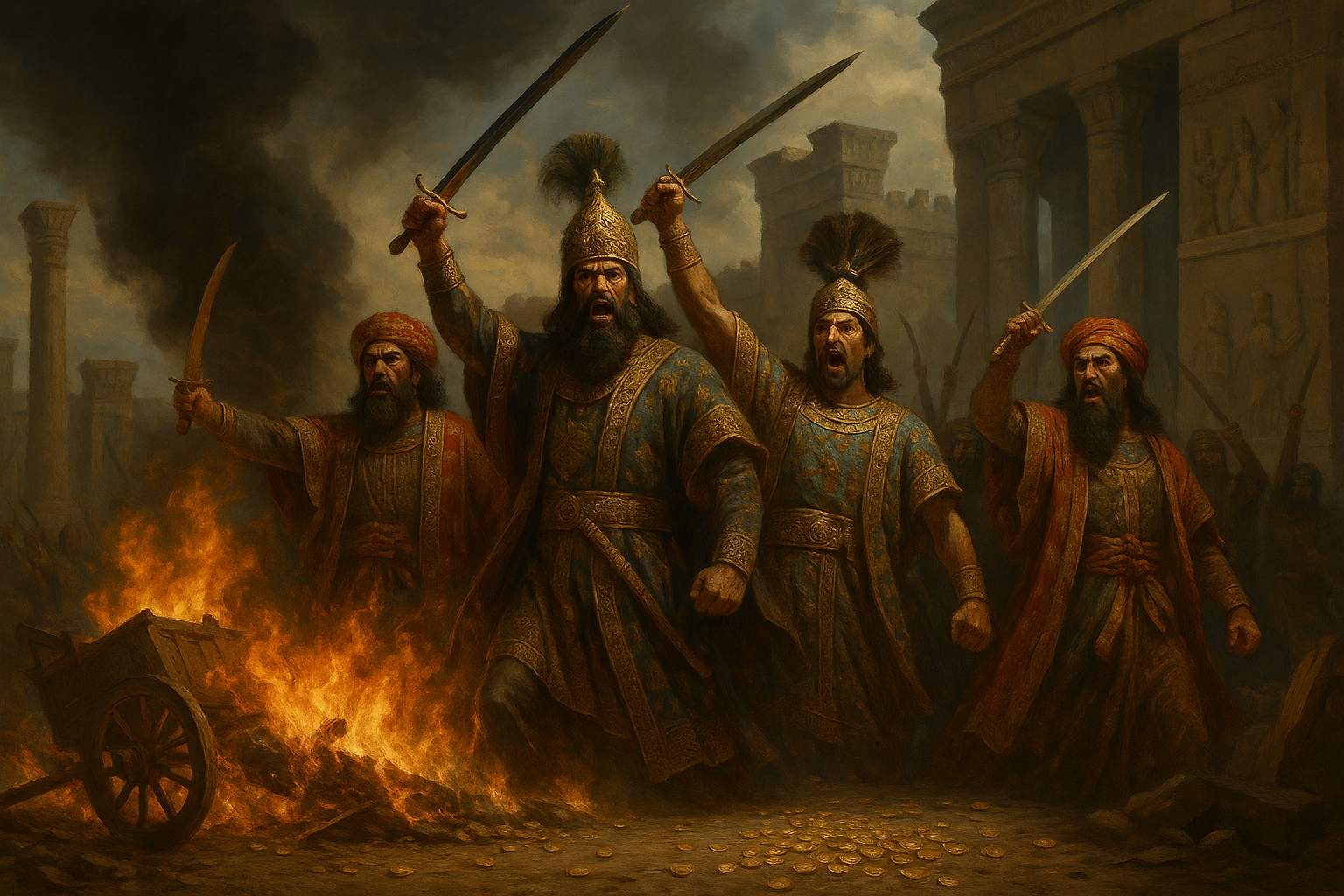
Into this maelstrom of uncertainty steps a young man named Darius. A distant relative of the royal family, a member of the Achaemenid clan, he has served as a spear-bearer in the king’s personal guard. He is ambitious, intelligent, and ruthless. He sees the crisis not as an end, but as a beginning. With a small band of loyal co-conspirators, he rides to the heart of the empire, confronts the false king, and, in a bloody coup, seizes the throne for himself.
But Darius’s problems are just beginning. He may have killed the usurper, but he has not won the loyalty of the satraps. They see him as just another power-hungry noble, a man with no legitimate claim to the throne. They are not just defying a king; they are challenging the very idea of central authority. They are, in effect, an institution in open rebellion, and Darius, the newly crowned King of Kings, must find a way to bring them to heel or watch his empire crumble into dust.
The Parallel Revelation
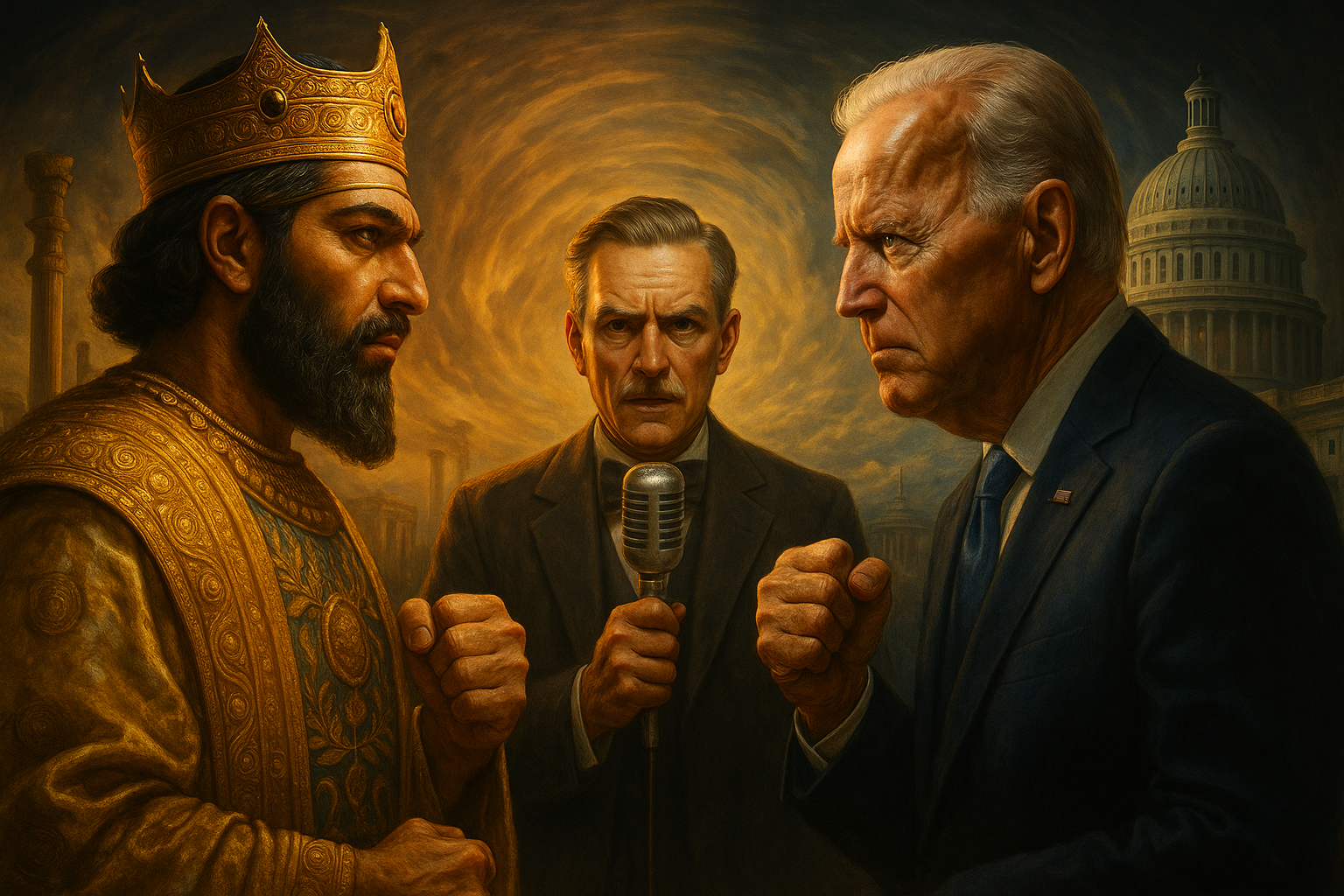
Does any of this sound familiar? A charismatic, powerful leader, his legitimacy questioned by some, facing a powerful, independent institution that refuses to bend to his will. A battle for control that threatens to destabilize the entire system. The parallels between Darius’s struggle with his rebellious satraps and the current standoff between the White House and the Federal Reserve are as striking as they are unsettling.
Just as the satraps saw the succession crisis as an opportunity to assert their independence, the Federal Reserve is using its institutional mandate to resist political pressure. The satraps controlled the wealth of their provinces, the flow of tribute, and the loyalty of their local armies. The Fed controls the nation’s money supply, the interest rates that drive the economy, and the stability of the global financial system. In both cases, a powerful, semi-autonomous institution holds the keys to the kingdom, and the king is not happy about it.
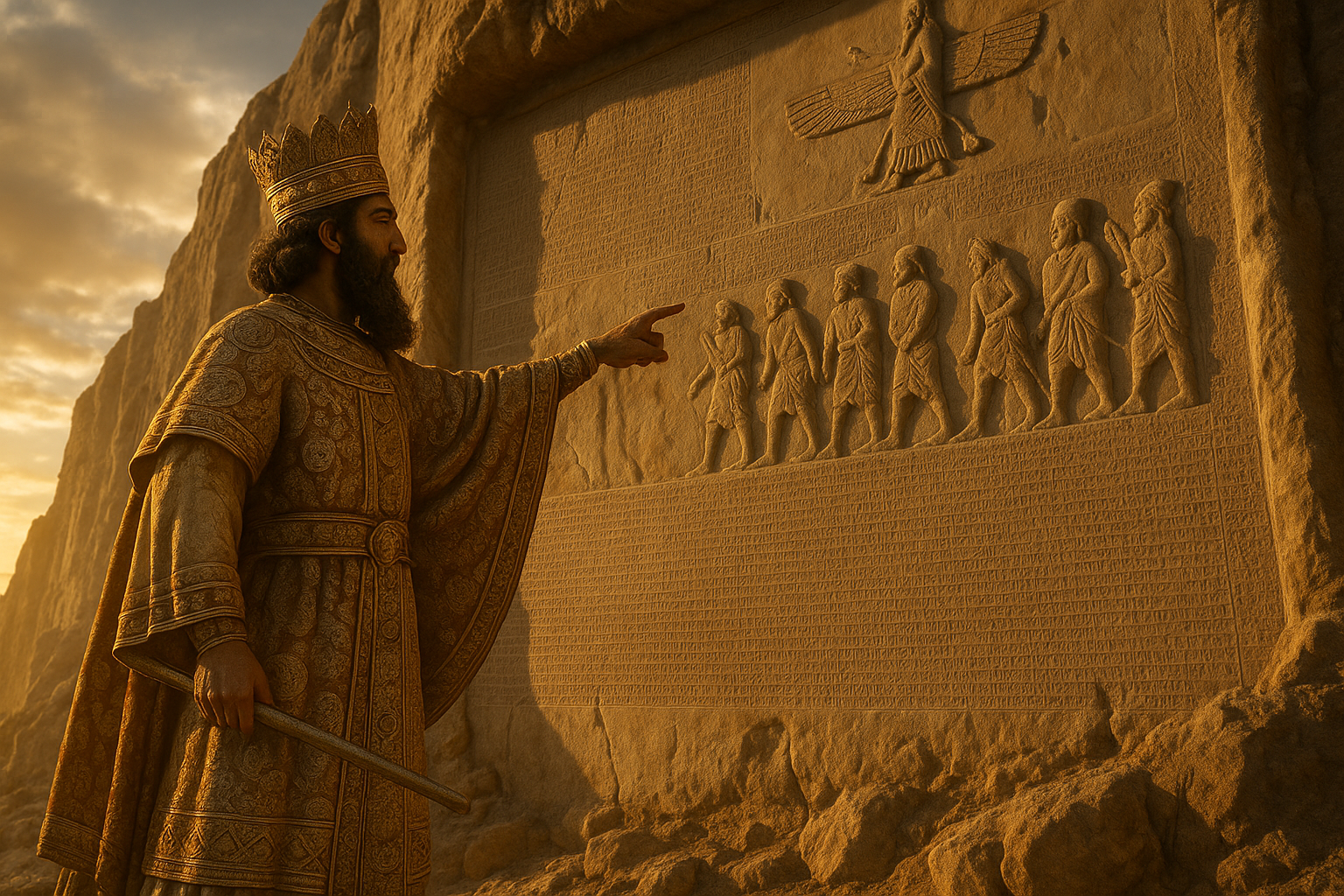
Darius, in his famous Behistun Inscription, a massive rock relief that tells the story of his rise to power, describes the satraps as “deceitful” and “rebellious.” He accuses them of lying to the people and of seeking to enrich themselves at the expense of the empire. It’s the same language of accusation and distrust that we hear today, as the President accuses the Fed of being “clueless” and of undermining his economic agenda. The names and the titles have changed, but the fundamental conflict remains the same: the raw, personal power of a single leader versus the established, institutional power of a system designed to outlast any one individual.
The Pattern Recognition
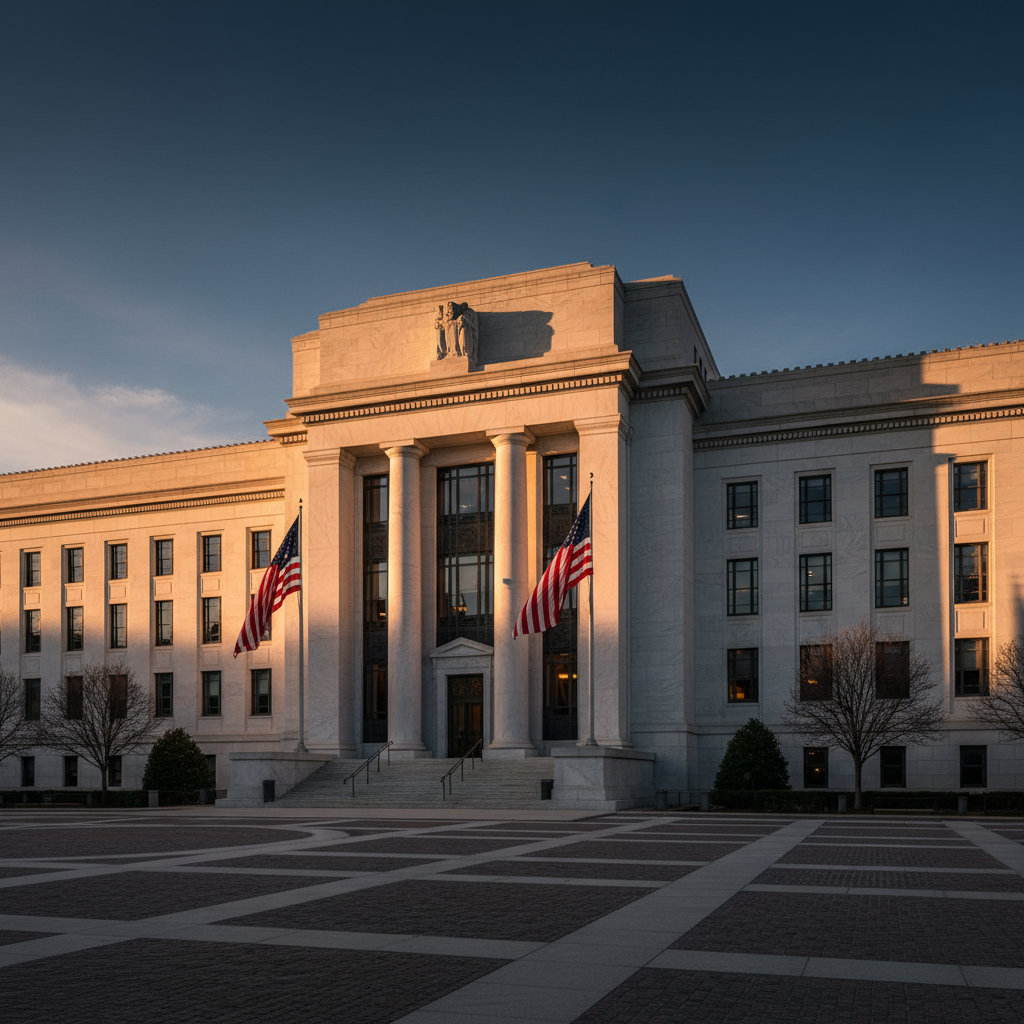
Why does this pattern repeat itself with such uncanny precision across the millennia? Because at its core, it’s a story about human nature. It’s the timeless struggle between the desire for absolute control and the necessity of institutional checks and balances. Leaders, whether they are ancient kings or modern presidents, are driven by a desire to shape the world according to their vision. They want to move quickly, to act decisively, and to leave their mark on history.
Institutions, on the other hand, are designed to be slow, deliberative, and resistant to change. They are the guardians of the system, the keepers of the rules, and the brakes on the ambition of any single individual. They are, by their very nature, a frustration to any leader who wants to get things done.
This is not a flaw in the system; it is the system. The tension between the executive and the institution is not a sign of weakness, but a sign of a healthy, functioning society. It is the friction that prevents the concentration of too much power in the hands of one person, the safeguard that protects the long-term stability of the system from the short-term passions of the moment. The satraps, in their own way, were a check on the absolute power of the Persian king. The Federal Reserve, in its own way, is a check on the absolute power of the American president. The pattern repeats because the fundamental conflict is eternal.
The Ancient Warning
So what happened to Darius? Did his empire collapse under the weight of institutional rebellion? Far from it. After two years of brutal, bloody conflict, Darius crushed the revolts. He didn’t just defeat his enemies on the battlefield; he fundamentally reshaped the system that had allowed them to challenge him in the first place. He increased the number of satrapies, diluting the power of any single governor. He established a system of royal inspectors, the “king’s eyes,” who traveled the empire and reported directly to him, ensuring that he always had a clear and unbiased view of what was happening in the provinces. He created a new, standardized currency and a system of royal roads that tied the empire together, making it easier to move troops, collect taxes, and communicate with his subjects.
In short, he didn’t just win the war; he won the peace. He recognized that the old system was broken, that it gave too much power to the institutions and not enough to the central authority. But he also recognized that he couldn’t simply rule by force. He had to create a new system, one that balanced the need for central control with the reality of a vast and diverse empire. And it worked. The administrative reforms that Darius put in place were so effective that they sustained the Persian Empire for another two centuries. They were so successful that they were copied by Alexander the Great, the man who would eventually conquer the Persians, and by countless other empires throughout history.
The lesson for us is clear. The conflict between the executive and the institution is not something to be feared, but something to be managed. It is a sign that the system is working, that it is adapting to new challenges and new pressures. But it is also a warning. If the conflict is not managed, if one side seeks to crush the other, the result can be chaos, instability, and even collapse. Darius understood this. He didn’t just crush his enemies; he created a better system. The question for us is, can we do the same?
5 Things You Can Do This Week to Prepare for the Unthinkable
History doesn’t repeat itself, but it often rhymes. The story of Darius and his rebellious satraps is a powerful reminder that the systems we rely on are more fragile than we think. While we may not be facing a full-blown institutional collapse, the current tensions between the White House and the Federal Reserve are a sign that we should all be taking steps to become more resilient and self-reliant. Here are five things you can do this week to prepare for whatever comes next:
1. Build Your Financial Fortress: The first casualty of any economic crisis is financial stability. Don’t wait for the storm to hit. Start building your financial fortress now. Read this article on Creating an Emergency Preparedness Binder to learn how to organize your financial life and protect your assets.
2. Declare Your Independence: True freedom comes from self-reliance. The more you can do for yourself, the less you’ll be at the mercy of broken systems. This article on The Best Homesteader Blogs and YouTubers to Follow will introduce you to a world of people who are living life on their own terms.
3. Grow Your Own Food: In times of crisis, the grocery store shelves can empty out in a matter of hours. Don’t be dependent on a fragile food system. Learn how to grow your own food, even if you have limited space. The 4ft Farm Blueprint is a revolutionary system that can teach you how to turn a tiny patch of land into a food-producing powerhouse.
4. Fortify Your Mind: A crisis is as much a mental battle as it is a physical one. You need to be mentally prepared for whatever comes your way. This article on mental resilience in crisis will give you the tools you need to stay calm, focused, and in control, no matter what happens.
5. Find Your Tribe: You don’t have to go it alone. In fact, you shouldn’t. The stronger your community, the more resilient you’ll be. This article on building community will show you how to connect with like-minded people and build a network of support.
A Special Message From Our Sponsor
In times of uncertainty, one thing is for sure: the ability to provide for yourself and your family is the ultimate form of security. That’s why we’re proud to partner with the 4ft Farm Blueprint, a revolutionary system that is empowering people all over the country to take control of their food supply.
The 4ft Farm Blueprint is more than just a gardening guide; it’s a complete system for turning a tiny patch of land into a high-yield, food-producing powerhouse. Whether you have a sprawling backyard or a small apartment balcony, the 4ft Farm Blueprint will show you how to grow an abundance of fresh, healthy food for your family.
With the 4ft Farm Blueprint, you’ll learn:
- How to build a high-yield garden in a 4×4 foot space
- The secrets to supercharging your soil for maximum production
- How to choose the best plants for your climate and your family’s needs
- How to deal with pests and diseases without using harmful chemicals
- How to harvest and preserve your bounty for year-round enjoyment
Don’t wait for the next crisis to hit. Take control of your food supply today. Click here to learn more about the 4ft Farm Blueprint and start your journey to food independence.