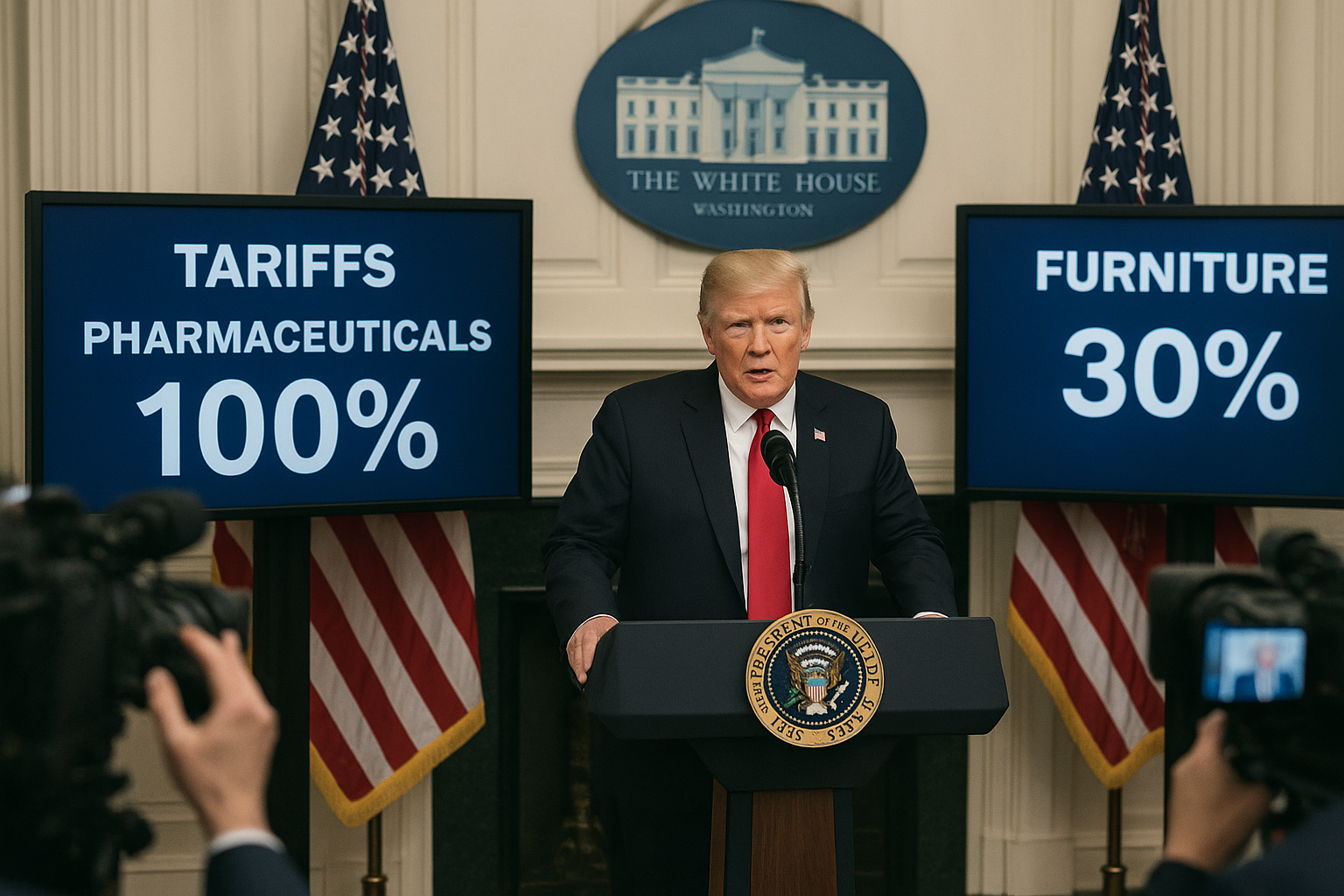
In the heart of Washington D.C., a storm is brewing. A battle for control, not of armies, but of the very lifeblood of the American economy. President Trump, in an unprecedented move, is attempting to reshape the flow of global trade with a flurry of new tariffs. A 100% tariff on life-saving medicines, a 30% tax on the furniture in your living room, and a 25% levy on the trucks that move our goods. The stated goal? To bring manufacturing back to American shores and “Make America Great Again.”
But as the world holds its breath, a question hangs in the air: is this a bold new strategy for economic prosperity, or a dangerous echo of a long-forgotten past? The answer, it turns out, is etched into clay tablets, buried for millennia under the sands of modern-day Turkey. A story of merchants, kings, and the eternal struggle between free trade and protectionism. A story that warns us that when rulers attack the very engine of their own prosperity, the consequences can be catastrophic.
The Time Portal
Let’s travel back in time, 4,000 years, to the bustling city of Kanesh in ancient Anatolia. Imagine a thriving metropolis, a crossroads of civilizations, where merchants from the powerful Assyrian Empire have established a vibrant trading colony. One such merchant is a man named Buzazu. We know him not from grand monuments or epic poems, but from his personal letters, meticulously inscribed on clay tablets – the emails of the ancient world.
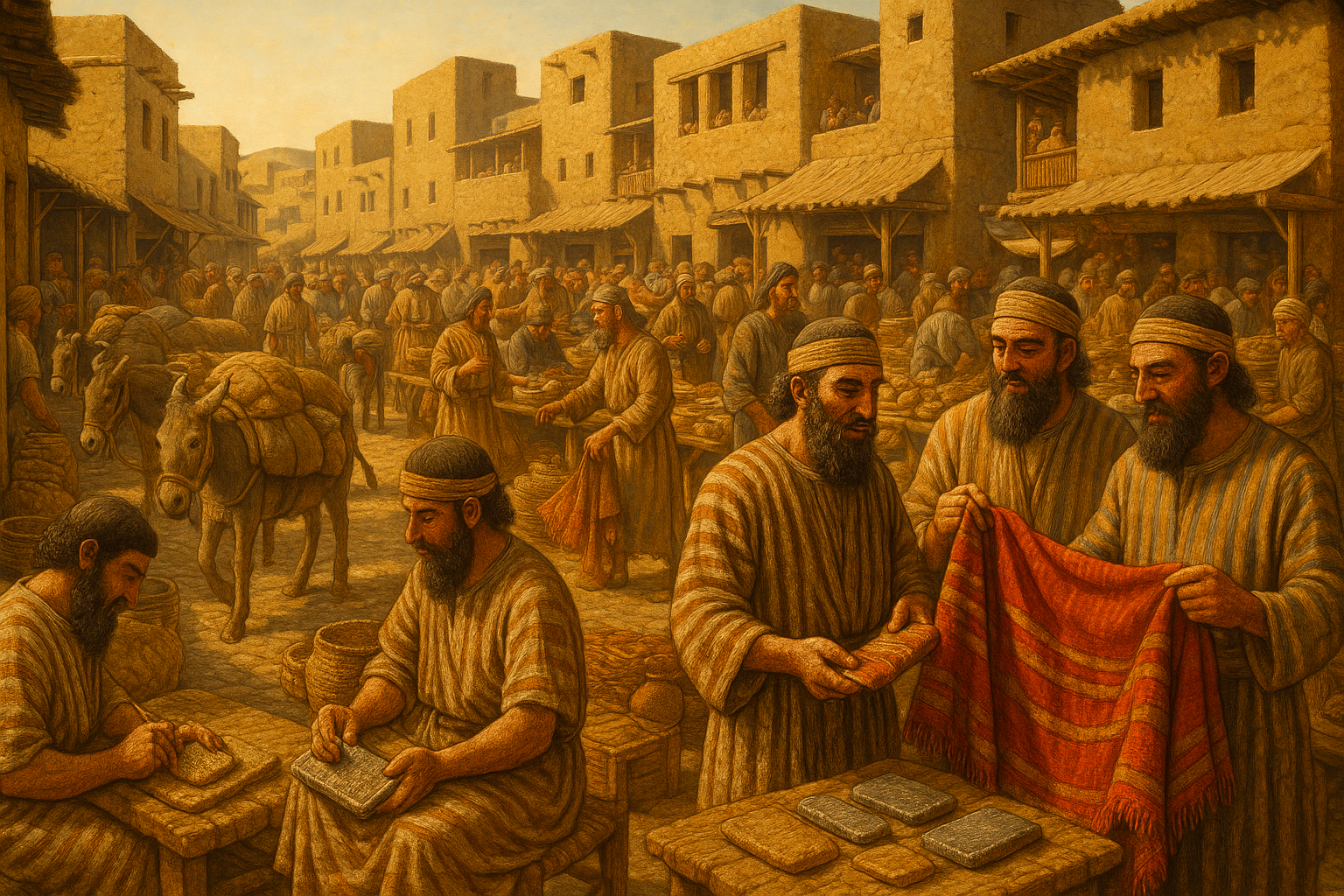
Buzazu is a shrewd businessman, a master of logistics and a keen observer of human nature. He deals in tin and textiles, precious commodities that flow from the heart of Assyria to the far reaches of Anatolia. But Buzazu has a problem. The local rulers, much like our modern-day politicians, have a taste for taxes. A 5% import tax here, a transport tax there, tolls on the roads, and an export tax to top it all off. The web of regulations is suffocating, and the profits are dwindling.
The Parallel Revelation
One day, Buzazu writes a letter to his partners, a letter that could have been written yesterday. He’s discovered a “narrow track,” a secret mountain path that bypasses the official checkpoints and the grasping hands of the tax collectors. It’s a dangerous route, fraught with peril – wild animals, bandits, and the unforgiving Anatolian climate. But the potential rewards are too great to ignore.
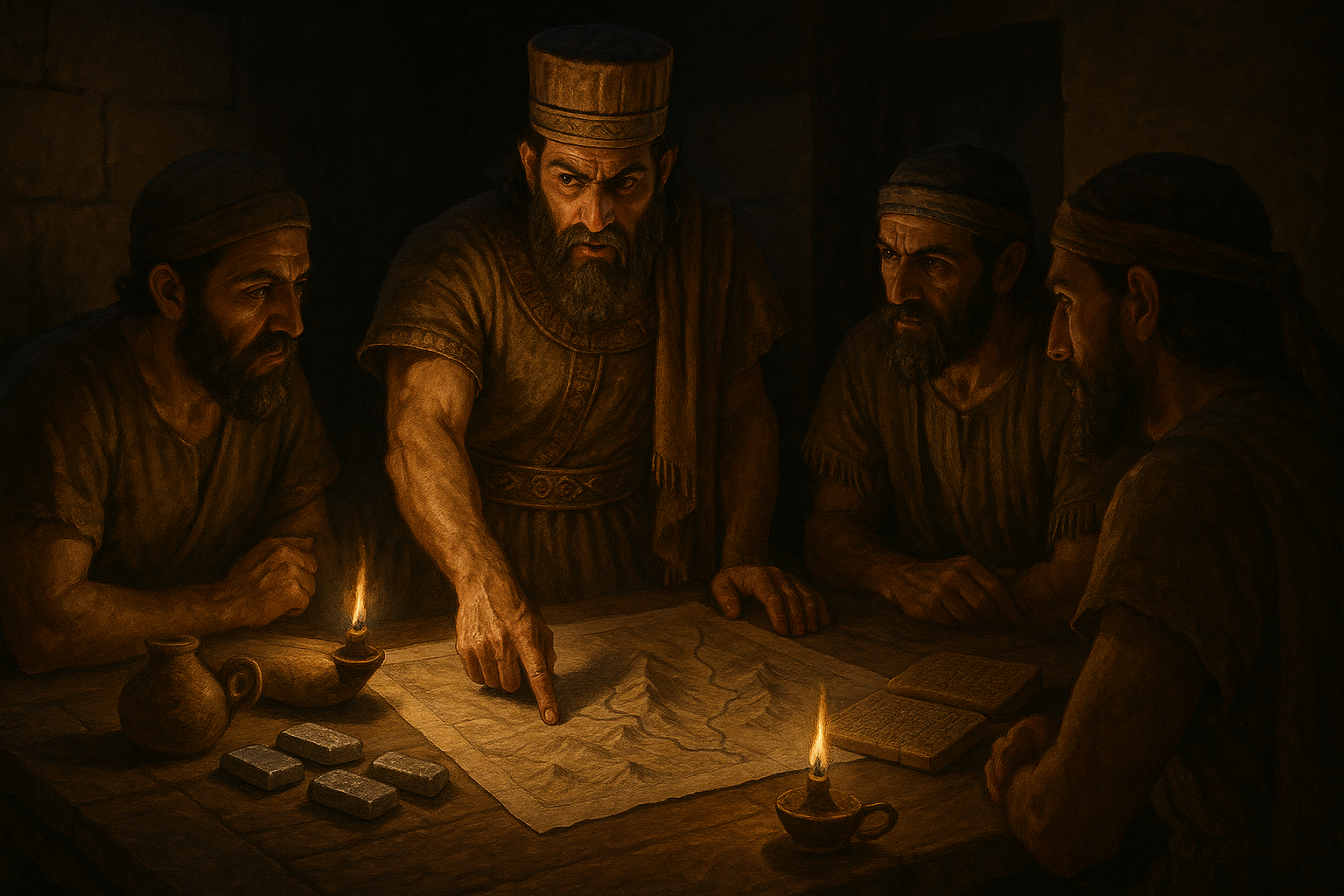
In another letter, Buzazu gives his partners a more audacious set of instructions. If the narrow track is too risky, he tells them to break down the tin into small packets and “introduce them gradually into Kanesh, concealed in their underwear.” This isn’t the work of a common criminal. This is a calculated business decision, a rational response to an irrational system of taxation. Buzazu and his fellow merchants are not just traders; they are pioneers of creative tax avoidance, the ancient forefathers of modern-day smugglers and offshore accountants.
The Pattern Recognition
What drove Buzazu to such extremes? The same thing that drives businesses today when faced with crippling tariffs and trade barriers: the desire to survive and prosper. The Assyrian merchants of Kanesh were not rebels or revolutionaries. They were rational economic actors, seeking to maximize their returns in a challenging environment. They understood that when the cost of doing business legitimately becomes too high, the black market becomes an attractive alternative.
This is the timeless pattern of human nature that repeats itself across the millennia. Rulers, whether they are ancient kings or modern presidents, are always tempted to use their power to control the flow of trade, to protect their own industries, and to fill their own coffers. But merchants, the lifeblood of any economy, are equally resourceful in finding ways to circumvent those controls. The result is a never-ending cat-and-mouse game, a shadow economy that thrives in the darkness, and a loss of revenue and control for the very rulers who sought to impose their will.
The Ancient Warning
What happened to the great Assyrian trading colony at Kanesh? The historical record is not entirely clear, but we know that it eventually declined and was abandoned. The reasons are complex, but it is not hard to imagine that the constant struggle between the merchants and the rulers, the endless cycle of taxation and evasion, played a significant role. When the engine of commerce is choked with sand, the entire edifice of empire can come crumbling down.
And that is the ancient warning that echoes down to us today. When a government declares war on its own merchants, when it erects barriers to trade and punishes those who seek to create wealth, it is not just hurting the bottom line of a few faceless corporations. It is undermining the very foundations of its own prosperity. It is a lesson that was learned the hard way by the kings of ancient Anatolia, and one that we would be wise to remember today.
5 Things You Can Do This Week to Prepare
History is not just a story; it’s a roadmap. And the story of Buzazu and the Assyrian merchants of Kanesh offers us a clear set of instructions for how to navigate the turbulent economic waters of our own time. Here are five things you can do this week to prepare for the coming storm:
1. Secure Your Supply Chains: The story of Kanesh teaches us that when trade is disrupted, the flow of goods can become unreliable. Now is the time to think about your own personal supply chains. Where does your food come from? Your medicine? Your essential supplies? Explore local sources, build relationships with local producers, and consider learning some basic self-reliance skills. Check out the resources at Self-Reliance Report for practical advice on how to become more independent.
2. Protect Your Wealth: The Assyrian merchants of Kanesh understood the importance of diversifying their assets and protecting their wealth from the grasping hands of the state. In a world of rising tariffs and economic uncertainty, it’s more important than ever to think about how to protect your own financial future. Learn about alternative investments, consider precious metals, and explore strategies for building a resilient financial portfolio. Freedom Health Daily offers insights into economic trends and financial preparedness.
3. Cultivate Your Community: In times of crisis, our greatest strength is our community. The merchants of Kanesh relied on a network of trusted partners to navigate the treacherous world of ancient trade. Now is the time to build your own network of support. Get to know your neighbors, join local groups, and build relationships with people you can rely on. A strong community is the best insurance against an uncertain future.
4. Embrace a Homesteader’s Mindset: The homesteaders of old were the ultimate self-reliant individuals. They knew how to grow their own food, build their own homes, and provide for their own needs. In a world of fragile supply chains and economic instability, the homesteader’s mindset is more relevant than ever. Learn a new skill, start a garden, or explore ways to become more self-sufficient. Homesteader Depot is a great resource for anyone interested in the homesteading lifestyle.
5. Stay Informed and Think Critically: The story of Kanesh was lost for millennia, buried under the sands of time. It is only through the patient work of archaeologists and historians that we are able to learn from its lessons today. In our own time, it is more important than ever to stay informed, to think critically about the information we receive, and to seek out alternative perspectives. Don’t just accept the official narrative. Do your own research, ask your own questions, and draw your own conclusions. The future of our own civilization may depend on it.
Sponsor:
Looking to build your own personal food supply chain? The 4ft Farm Blueprint provides a step-by-step guide to growing your own food, even in a small space. Learn how to build a resilient and productive garden that will provide you and your family with fresh, healthy food, no matter what the future holds.
References:
- Trade and contraband in ancient Assyria
- Kanesh Karum: Bronze Age Trade Hub – Assyrian Merchants in Anatolia
- History of tariffs: From ancient times to the modern day
- Trump tariffs live updates: US to impose up to 100% tariffs on drugs, furniture, kitchen cabinets