
The Modern Mystery
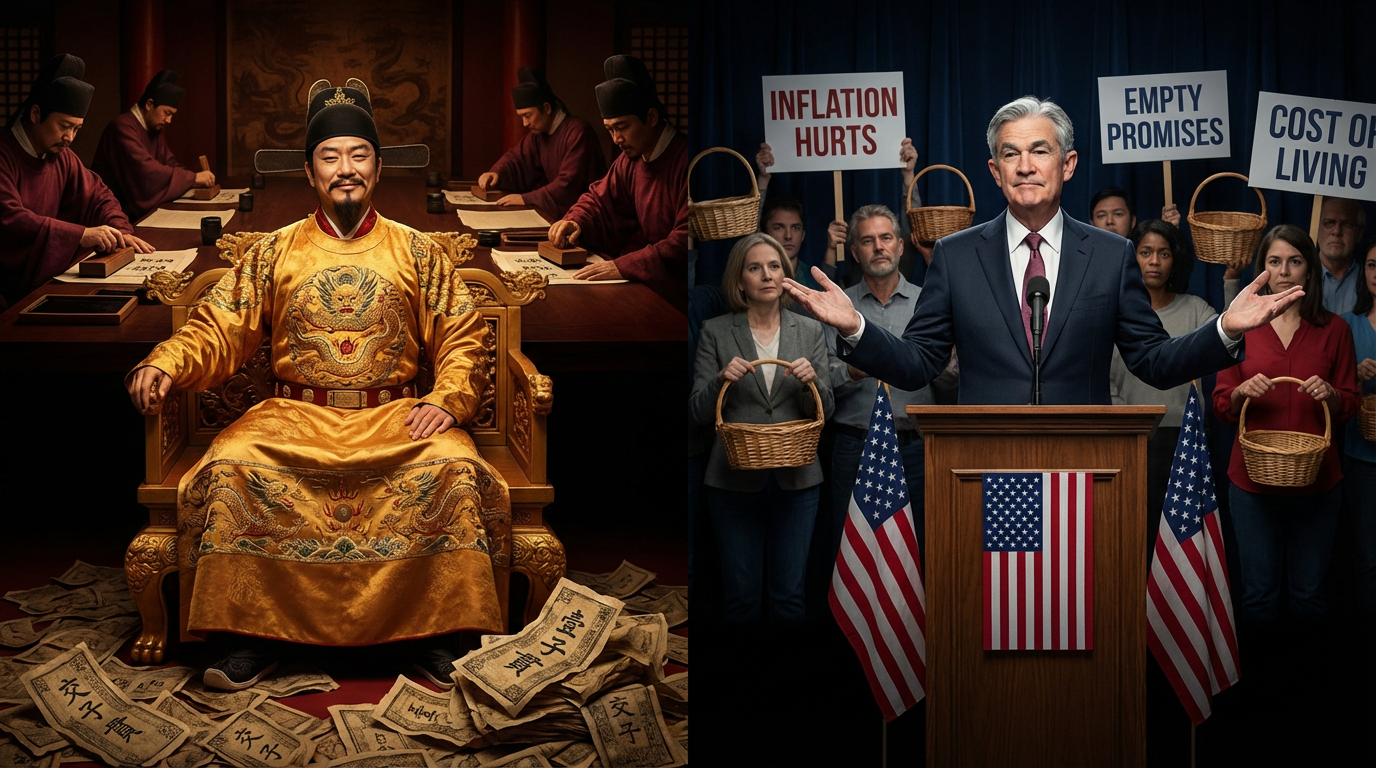
Just this week, President Trump stood on a stage in Pennsylvania, a state ravaged by the economic whiplash of his own policies, and declared with a straight face that concerns about affordability are a “hoax.” Mere hours later, his administration announced a $12 billion bailout for American farmers, the very people decimated by the trade wars he initiated. The contradiction is staggering. On one hand, we’re told the economy is roaring, that tariffs are filling the nation’s coffers with trillions. On the other, the government is printing money to patch the holes blown in the economy by those same policies. It’s a classic case of the emperor with no clothes, but instead of a naked emperor, we have a naked economy, and the people are starting to feel the chill.
This isn’t just political spin. It’s a dangerous game of economic denial, a high-stakes bet that you can convince the people they aren’t feeling the pain that their wallets are screaming at them. And while it may feel unprecedented, this exact scenario has played out before, with devastating consequences. To understand the potential endgame of this economic cognitive dissonance, we must travel back nearly a millennium to the glittering, sophisticated, and ultimately doomed Song Dynasty of China.
The Time Portal
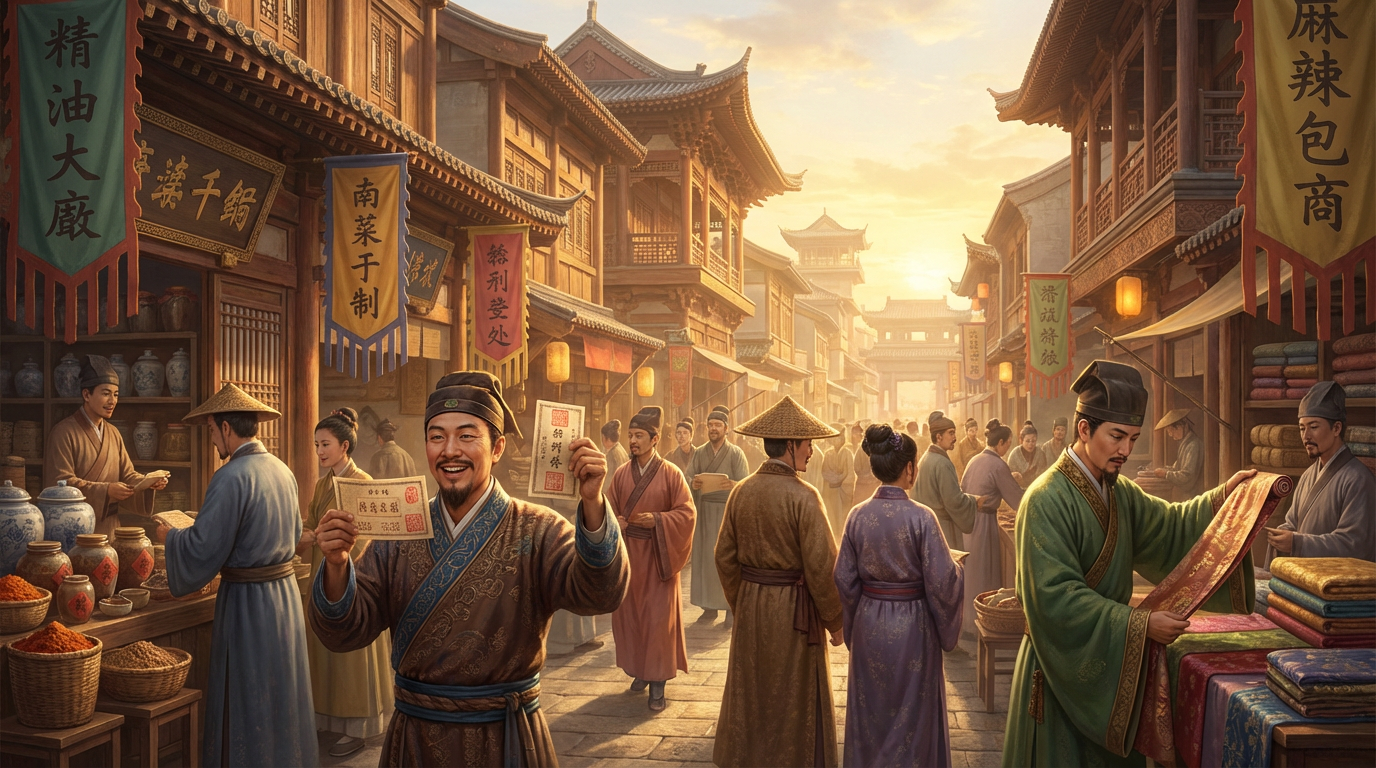
Imagine a civilization so advanced it invented gunpowder, movable type, and industrial textile machines a thousand years before the West. A society so prosperous that its citizens complained about the youth not knowing how to cook because takeout was so readily available. This was the Song Dynasty (960-1279 CE), one of the wealthiest and most innovative Golden Ages in human history. At its heart was a groundbreaking invention that would change the world forever: paper money.
Initially, these notes, called “jiaozi,” were a brilliant solution to the cumbersome problem of carrying heavy coins for large transactions. They were promissory notes, a symbol of trust and a lubricant for commerce. The government, recognizing their power, nationalized the system in the 11th century. For a time, it worked beautifully. Trade boomed. The economy flourished. The Song Dynasty became the envy of the world.
But with this great power came a terrible temptation. The government, facing constant military threats from northern invaders and a bloated bureaucracy at home, found an easy solution to its budget shortfalls: the printing press. Why tax the people when you can simply create wealth out of thin air? It was the medieval equivalent of a cheat code for the economy.
The Parallel Revelation
As the Song government printed more and more paper money to fund its wars and domestic programs, the value of that money began to plummet. Prices for everyday goods skyrocketed. A bag of rice that cost a few notes one year cost a wheelbarrow full the next. The government, however, insisted that all was well. They were, in their own eyes, managing the economy brilliantly. They were funding the military, supporting the people, and maintaining the illusion of prosperity. They were giving the economy an “A+++++.”

Does this sound familiar? A government facing economic headwinds of its own making, resorting to printing money while simultaneously boasting of its economic genius. A leader who dismisses the very real pain of his people as a “hoax” while simultaneously offering them handouts paid for with devalued currency. The parallels between the Song Dynasty’s paper money crisis and the current American economic situation are not just similar; they are a mirror image across a thousand years of history.
Both governments, separated by a millennium, fell into the same trap: they believed they could control reality through proclamation. The Song emperors, like President Trump, believed that if they said the economy was strong, it was strong, regardless of the lived experience of their citizens. They used the power of the state to create a narrative of success, all while the foundations of their economies were crumbling beneath them.
The Pattern Recognition
This pattern of denial is not a coincidence; it is a fundamental flaw in human nature, especially among those in power. The ability to print money, divorced from the real value produced by the private sector, creates a dangerous feedback loop. It allows a government to become a parasite on its own economy, draining its vitality while proclaiming its own strength. As the scholar Peter St. Onge notes, inflationary deficit finance allows economically destructive policies to “metastasize.” The short-term fix of printing money papers over the long-term cancer of bad policy.
The Song Dynasty’s leaders, like many leaders today, became addicted to this easy money. It allowed them to avoid the hard choices, to ignore the consequences of their actions, and to maintain the illusion of control. But reality always wins. A currency, in the end, is nothing more than a promise. And when that promise is broken, when the people lose faith in the paper in their hands, the entire system collapses.
The Ancient Warning
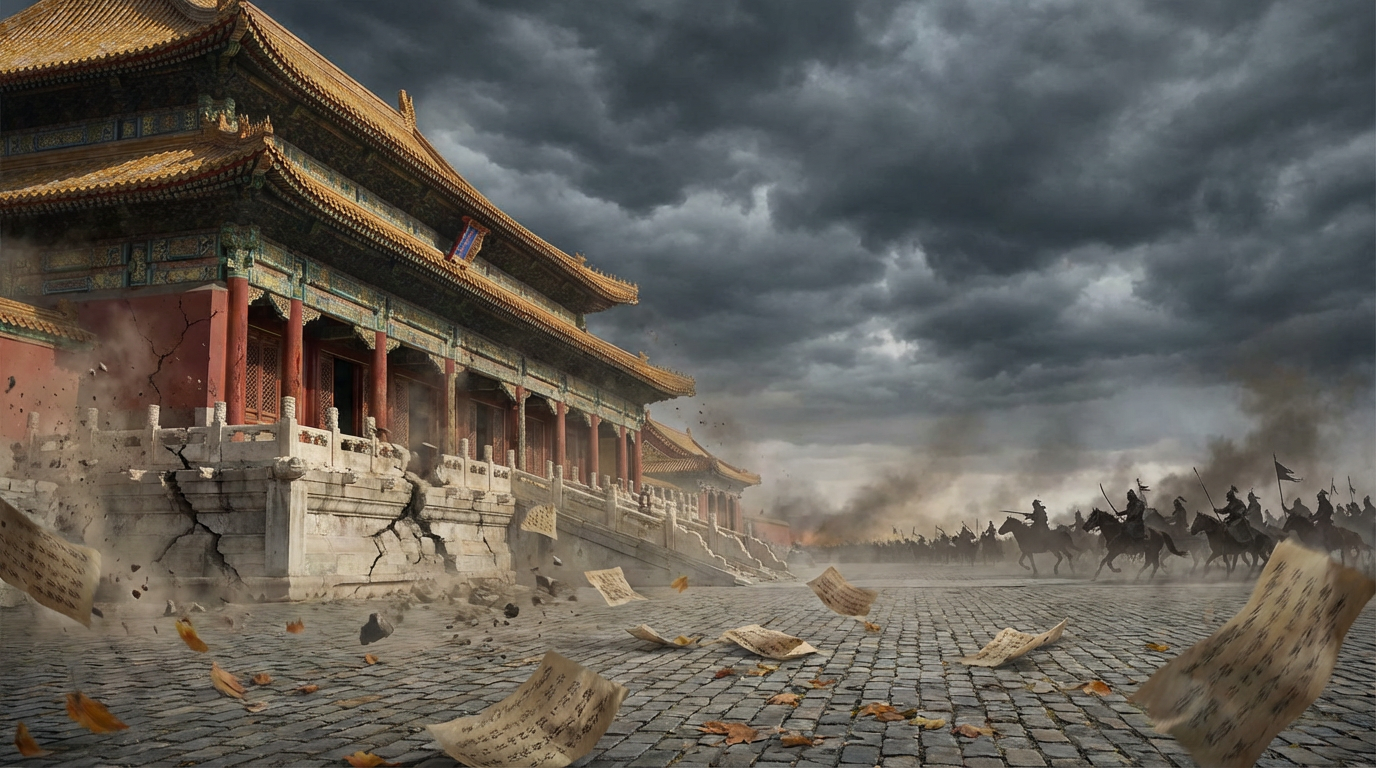
The Song Dynasty, for all its technological and cultural brilliance, collapsed not once, but twice, in a strikingly similar pattern of propaganda, inflation, war, and conquest. Despite having a 50-to-1 numerical advantage and vastly superior technology, they were conquered by the Mongols. Why? Because their economy was a hollow shell. Their government was brittle and corrupt. Their people were demoralized and alienated. The “disease of the heart,” as one historian put it, had rotted the empire from within, leaving it vulnerable to any external shock.
This is the ancient warning that echoes down to us today. An economy built on propaganda and printed money is an economy built on sand. It may look impressive for a time, but it cannot withstand the storm. The policies of today, the denial of reality, the dismissal of the people’s pain – these are not new phenomena. They are the well-worn tracks leading to a cliff, a cliff that the Song Dynasty plunged over a thousand years ago.
5 Things You Can Do This Week
History is not a spectator sport. It is a series of lessons, and the wise learn from the mistakes of others. Here are five things you can do this week to prepare for the potential consequences of our current economic path:
- Build Your Own Economy: Don’t rely on the government’s promises. Start a side hustle, learn a new skill, or invest in assets that hold their value. For a step-by-step guide on creating your own food-producing system in a tiny space, check out the 4ft Farm Blueprint. It’s the ultimate insurance policy against a fragile food supply chain.
- Secure Your Supplies: The pioneers of the past knew the importance of a well-stocked pantry. Learn how to store food, water, and other essentials at SurvivalStronghold.com. Don’t wait for the shelves to go empty.
- Embrace Self-Reliance: The most resilient people are those who can provide for themselves. SelfRelianceReport.com is your go-to resource for everything from off-grid energy to DIY home repairs. Become the person your neighbors turn to when things go wrong.
- Take Control of Your Health: A strong body and mind are your greatest assets in uncertain times. Explore natural and holistic health solutions at SevenHolistics.com. Don’t let a broken healthcare system dictate your well-being.
- Learn from the Past: The patterns of history are clear for those who are willing to see them. Continue to educate yourself on the rise and fall of civilizations. The more you know, the better you can prepare. For more deep dives into historical parallels, explore the archives at AmericanDownfall.com.


