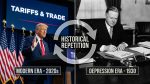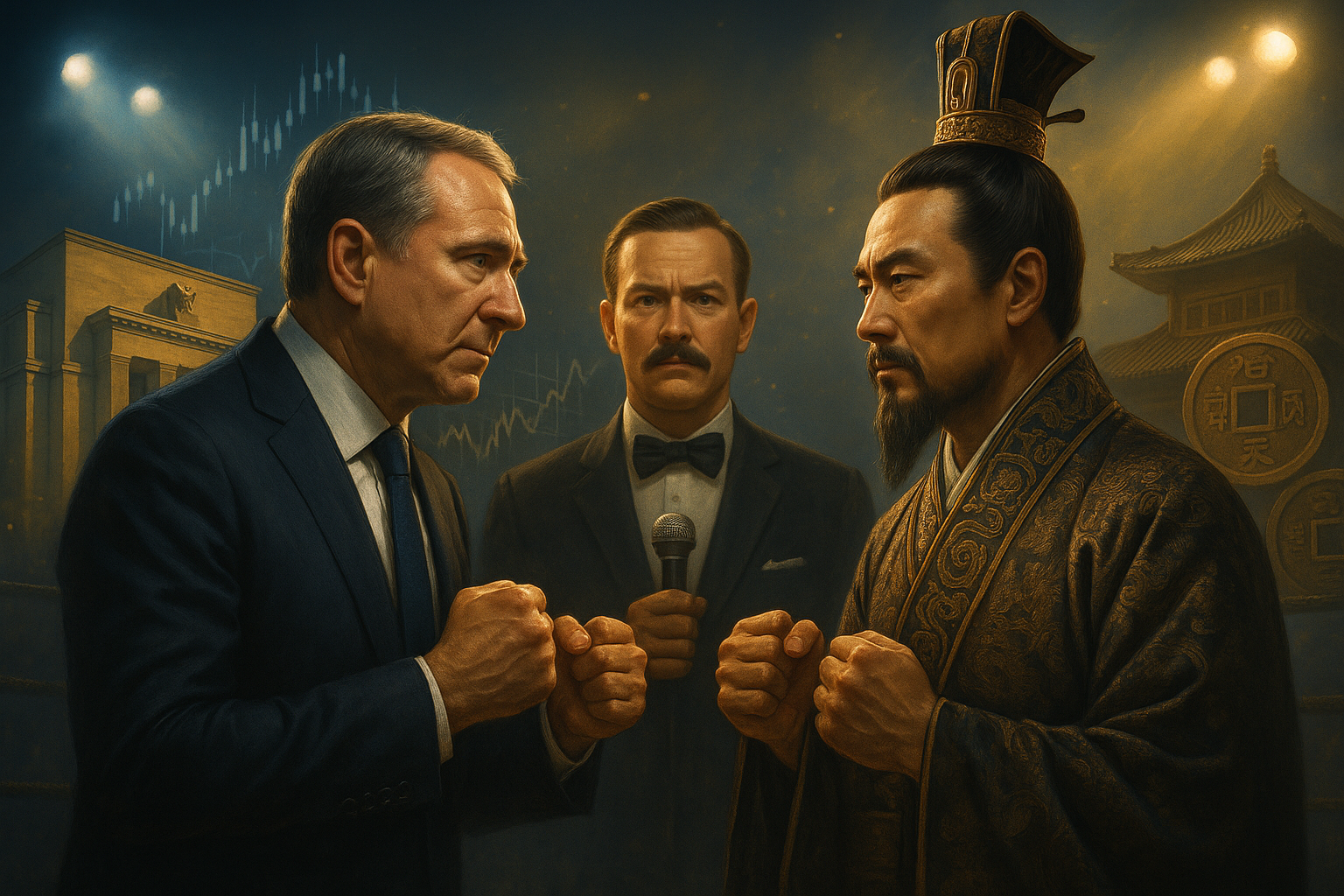
The Modern Mystery
Something strange is happening in the world of high finance. It’s not a market crash or a corporate scandal. It’s quieter, more insidious, and it’s playing out in the op-ed pages of the Wall Street Journal and the hushed conversations of the global elite.
Ken Griffin, the billionaire founder of Citadel, has publicly warned President Trump to back off the Federal Reserve. He’s not alone. A chorus of Wall Street titans and economists are sounding the alarm, cautioning that political pressure on the central bank could trigger a national debt crisis.
They warn that if investors lose faith in the Fed’s independence, it could send borrowing costs soaring, crippling an economy already groaning under the weight of $37 trillion in debt. It’s a battle for the soul of America’s financial institutions, a high-stakes drama with the entire global economy hanging in the balance.
But what if I told you this isn’t the first time a powerful leader has clashed with his financial advisors over the control of money? What if I told you this same drama played out over 2,100 years ago, in a distant empire, with eerily similar consequences?
The Time Portal
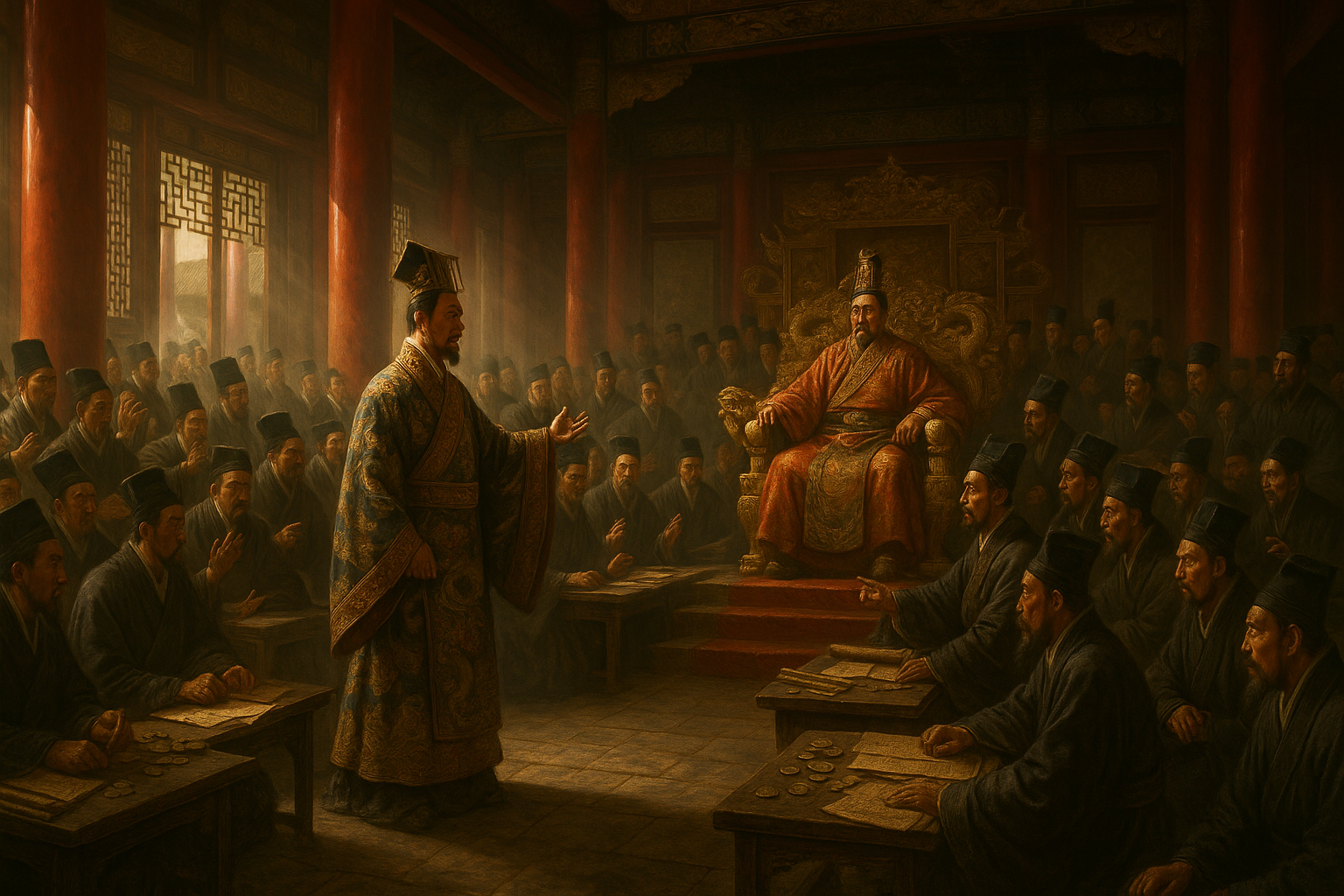
Let’s travel back to 81 B.C. in Han Dynasty China. The air is thick with tension in the imperial court. A group of 60 Confucian scholars, the intellectual elite of their day, have gathered to debate the emperor’s most trusted advisor, Sang Hongyang.
Sang Hongyang is a man of immense power and influence. He’s a financial wizard, a master of economic policy who has served Emperor Wu for decades. He’s a man who understands the intricate dance of money and power, and he’s deeply worried.
For years, the Han Dynasty has been grappling with a monetary crisis. Private mints have been churning out coins of varying quality, leading to confusion, inflation, and a loss of public trust. Sang Hongyang has a solution: a government monopoly on coinage. He believes that only by centralizing control of the money supply can the empire restore stability and confidence.
But the Confucian scholars, the literati, are fiercely opposed. They are champions of economic freedom, and they see Sang Hongyang’s plan as a dangerous power grab. They argue that a government monopoly will only lead to corruption and tyranny. The stage is set for a showdown, a battle of ideas that will determine the fate of the Han economy for centuries to come.
The Parallel Revelation
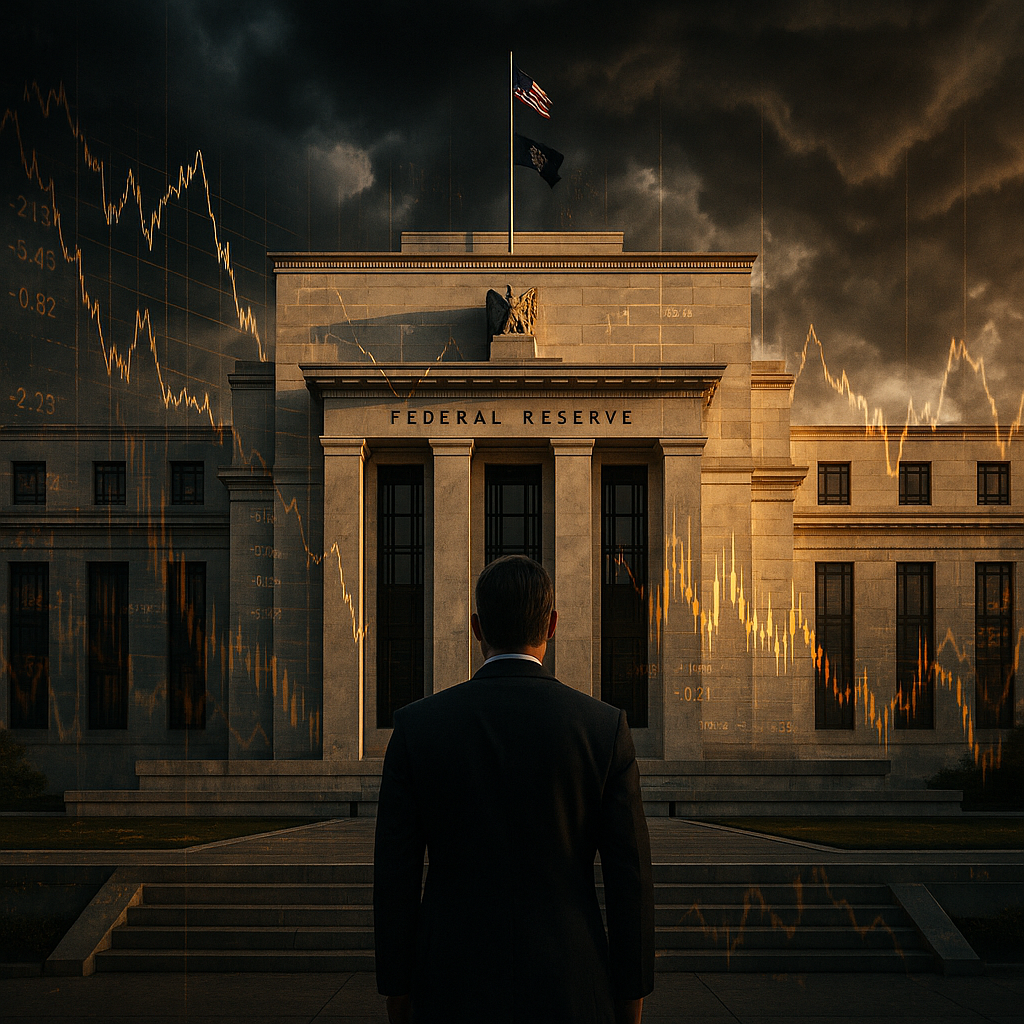
As the debate rages, the parallels to our own time become shockingly clear. Sang Hongyang, like Ken Griffin, is the wealthy advisor warning the ruler about the dangers of losing control of the monetary system. He’s not driven by personal greed, but by a genuine concern for the stability of the empire.
He argues that a unified currency, issued by the emperor, will eliminate confusion and restore trust. “If the currency system is unified under the emperor’s control,” he declares, “the people will not serve two masters [the state and the market]. If coin issues from the ruler, the people will have no doubts about whether it is genuine or not.”
His words echo the concerns of modern economists who fear that political interference in the Fed will erode its credibility. Just as Sang Hongyang warned of a loss of faith in the Han currency, today’s financial leaders warn of a loss of faith in the U.S. dollar.
The literati, on the other hand, sound like the libertarians of their day. They argue for a free market in money, believing that competition will lead to better quality and more stable prices. They warn that a government monopoly will only lead to abuse.
“In high antiquity,” they argue, “numerous forms of currency existed, wealth circulated, and the people were happy. Later, when the old types of currency were replaced with silver coins inscribed with tortoises and dragons, the people became deeply suspicious of the new coins. The more often the currency system changes, the more suspicious the people become.”
Their words are a chilling reminder of what happens when people lose trust in their institutions. It’s a warning that has echoed through the centuries, from Han China to modern America.
The Pattern Recognition
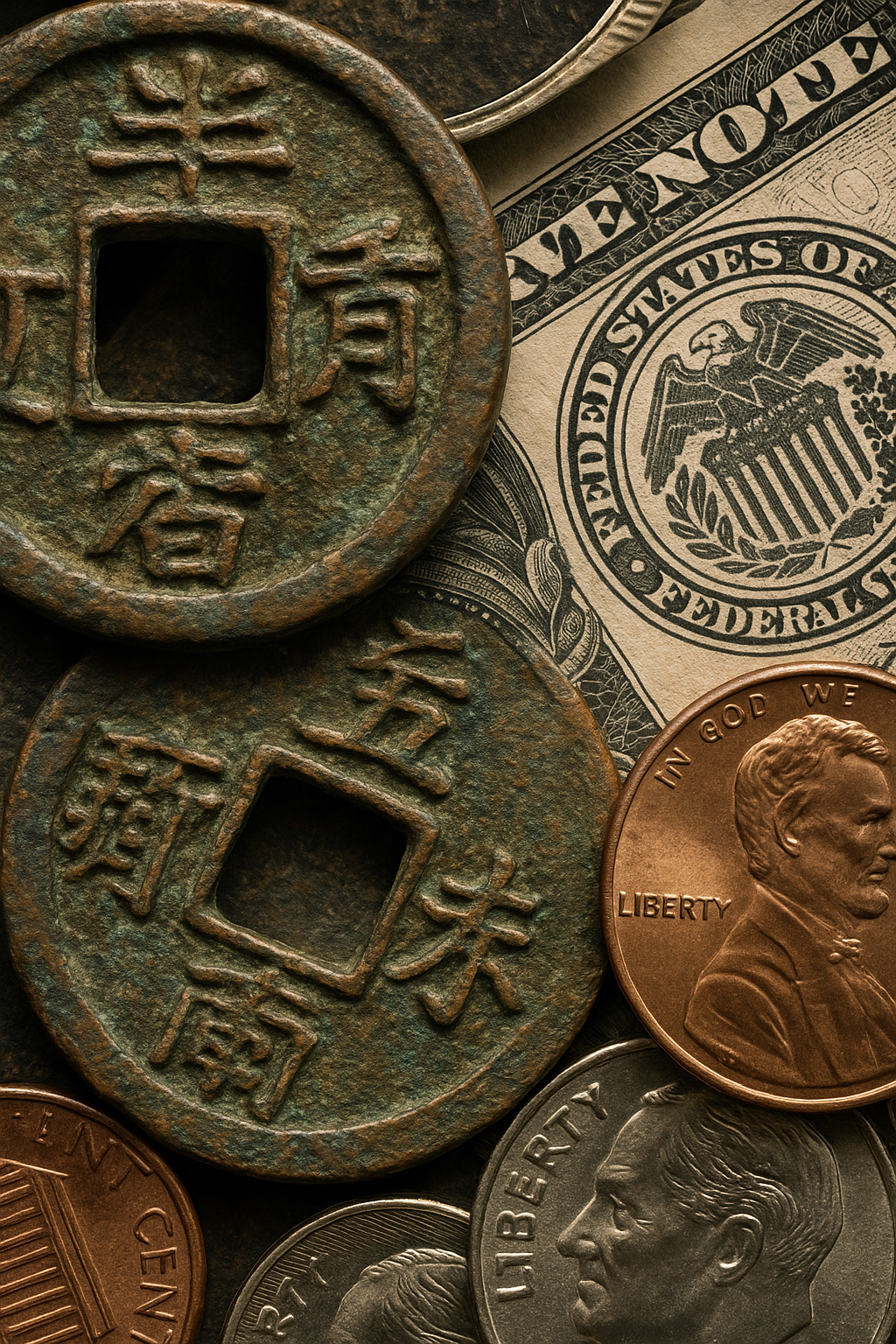
Why does this pattern repeat itself? Why do we see the same battles over money and power playing out across millennia? The answer lies in the timeless struggle between two competing human impulses: the desire for order and the desire for freedom.
Sang Hongyang represents the desire for order. He believes that a strong central authority is necessary to maintain a stable and prosperous society. He’s a pragmatist, a man who understands that the economy is too important to be left to the whims of the market.
The literati represent the desire for freedom. They believe that individual liberty is the foundation of a just and prosperous society. They are idealists, men who believe that the market, left to its own devices, will produce the best outcomes for everyone.
This is the same fundamental conflict that we see playing out in our own time. It’s the battle between those who believe in a strong, activist government and those who believe in a limited government and free markets. It’s a debate that has no easy answers, and it’s a debate that will likely continue for as long as human civilization exists.
The Ancient Warning
So what happened in Han China? In the end, Sang Hongyang won the debate. The government established a monopoly on coinage, and for a time, it seemed to work. The currency was stabilized, and the economy recovered.
But the literati‘s warnings proved to be prophetic. The government’s control of the money supply led to new forms of corruption and abuse. The powerful and well-connected used their influence to manipulate the currency for their own benefit, while the common people suffered.
It’s a cautionary tale, a warning that even the best-intentioned plans can have unintended consequences. It’s a reminder that the concentration of power, even in the hands of a wise and benevolent ruler, is always a dangerous thing.
5 Things You Can Do This Week
History is not just a collection of stories. It’s a roadmap to the future. The patterns of the past can help us understand the present and prepare for what’s to come. Here are five things you can do this week to better prepare yourself and your family for the possibility that history is repeating itself:
1. Secure Your Financial Future: Learn how to protect your wealth from inflation and economic instability. Explore alternative investments and strategies for financial self-reliance at SurvivalStronghold.com.
2. Embrace Self-Reliance: Discover the satisfaction of providing for yourself and your family. Get practical tips on everything from gardening to home security at SelfRelianceReport.com.
3. Build a Modern Homestead: Turn your home into a productive asset. Find out how to grow your own food, raise chickens, and live a more sustainable lifestyle at HomesteaderDepot.com.
4. Take Control of Your Health: Don’t be a victim of the medical establishment. Learn about natural remedies and holistic health strategies at FreedomHealthDaily.com.
5. Nourish Your Body and Soul: Discover the power of natural healing and wellness. Explore the world of holistic medicine and find the best natural supplements at SevenHolistics.com.
Sponsors
The 4ft Farm Blueprint: Want to grow your own food but don’t have a lot of space? The 4ft Farm Blueprint is a revolutionary new system that allows you to grow a bountiful harvest in just a 4×4 foot space. Perfect for preparing for uncertain times ahead. Learn more at 4ftFarmBlueprint.com.
LostGenerator: Discover the 100-year-old secret that can slash your power bills by 90%. In times of economic uncertainty, energy independence is more important than ever. Get the LostGenerator today.
Shamus Gerry III is the chief editor of AmericanDownfall.com and a student of history. He believes that by understanding the past, we can better prepare for the future.
This article is part of the Brain2 Project x Oyolokorai Family. Copyright 2025. All rights reserved. This site contains affiliate links. The editor of this site is an alias.