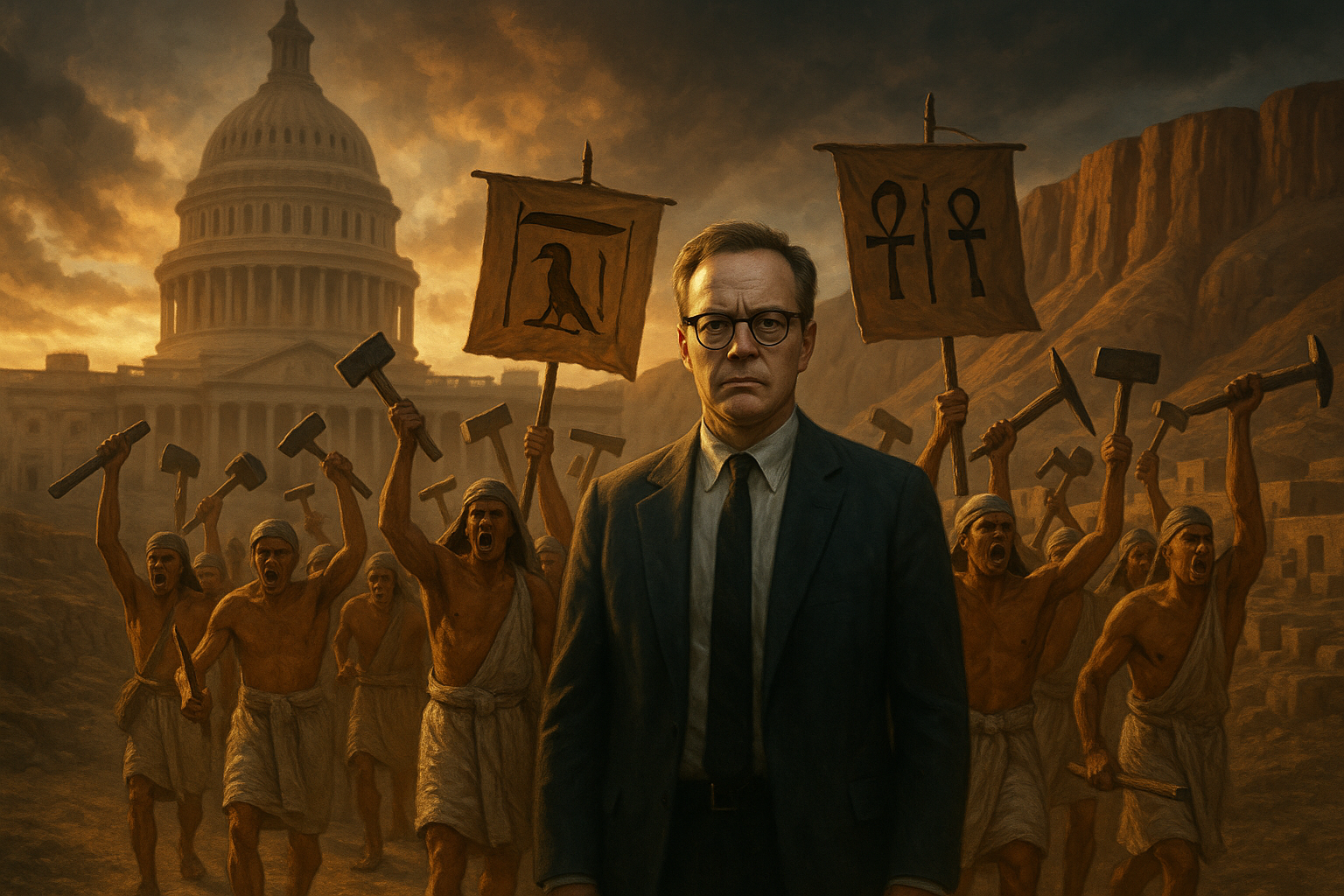
A silent alarm is ringing in the halls of American power. It’s not the sound of sirens, but the quiet hum of emptying office buildings and the steady exodus of a critical workforce. This week, an unprecedented 154,000 federal workers are walking away from their jobs, the largest single-year departure in nearly a century. As the government teeters on the brink of a shutdown, a strange and unsettling parallel is emerging, one that echoes a forgotten crisis from the sands of time.
We see the headlines and feel a sense of unease. A deeply divided government, a workforce in quiet rebellion, and a system under immense strain. It feels new, a uniquely modern American problem. But what if it’s not? What if we are merely the latest actors in a play that has been performed for millennia, a drama of institutional decay that has toppled empires before?
The Time Portal
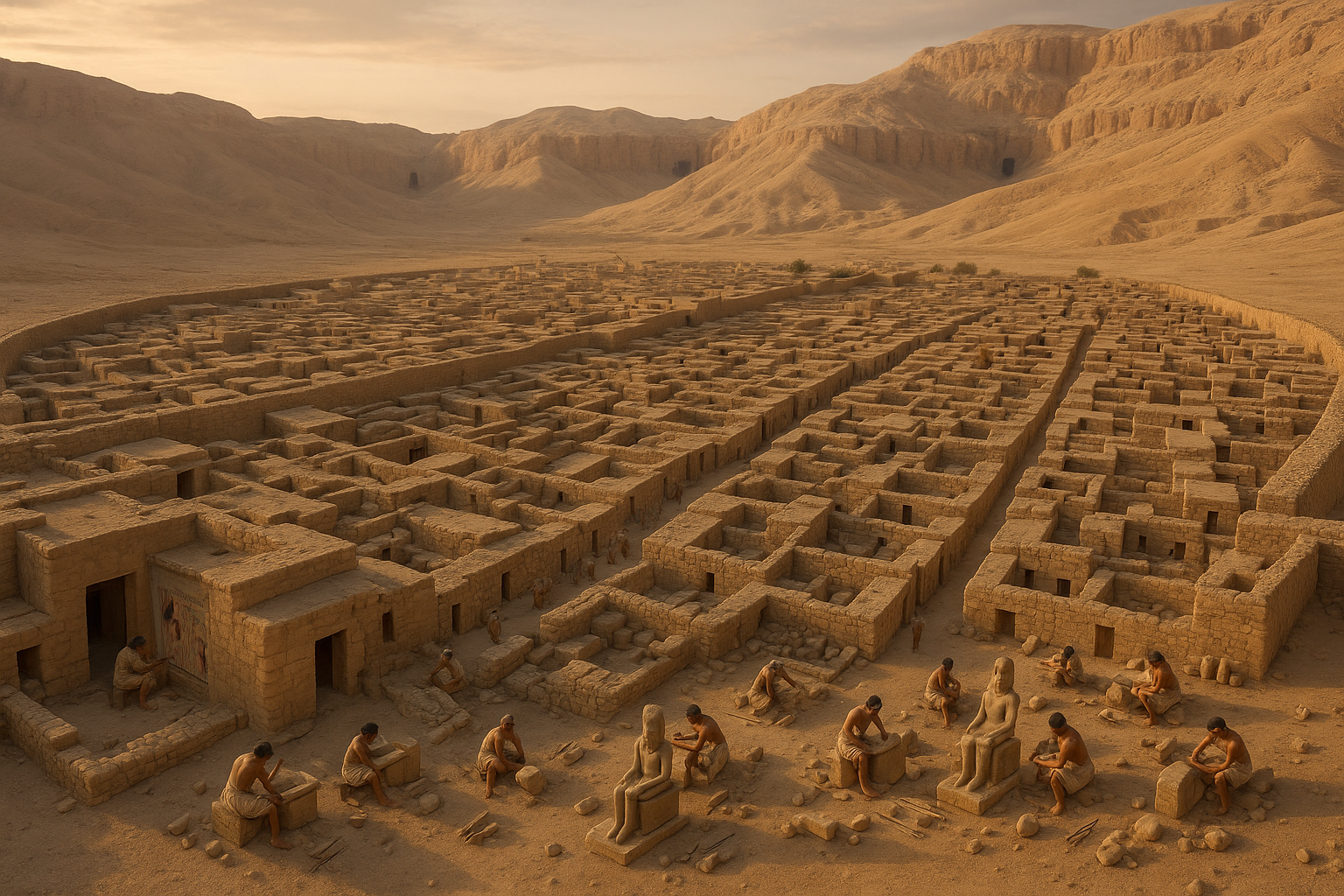
Let us travel back 3,200 years, to the sun-scorched landscape of ancient Egypt, during the reign of the Pharaoh Ramesses III. Here, nestled in a valley on the west bank of the Nile, lies the village of Deir el-Medina. This was no ordinary settlement. It was home to the most skilled artisans and craftsmen in the kingdom, the builders of the magnificent tombs in the Valley of the Kings. For nearly 500 years, this community had been the engine of the Pharaoh’s eternal legacy, a symbol of the empire’s power and stability.
These were not slaves, but highly respected state employees, the best and brightest of their time. They were promised a comfortable life in exchange for their unparalleled skills: a steady supply of grain, fish, vegetables, and other provisions. Their lives were a testament to the strength and efficiency of the Egyptian state, a well-oiled machine that had endured for centuries.
The Parallel Revelation
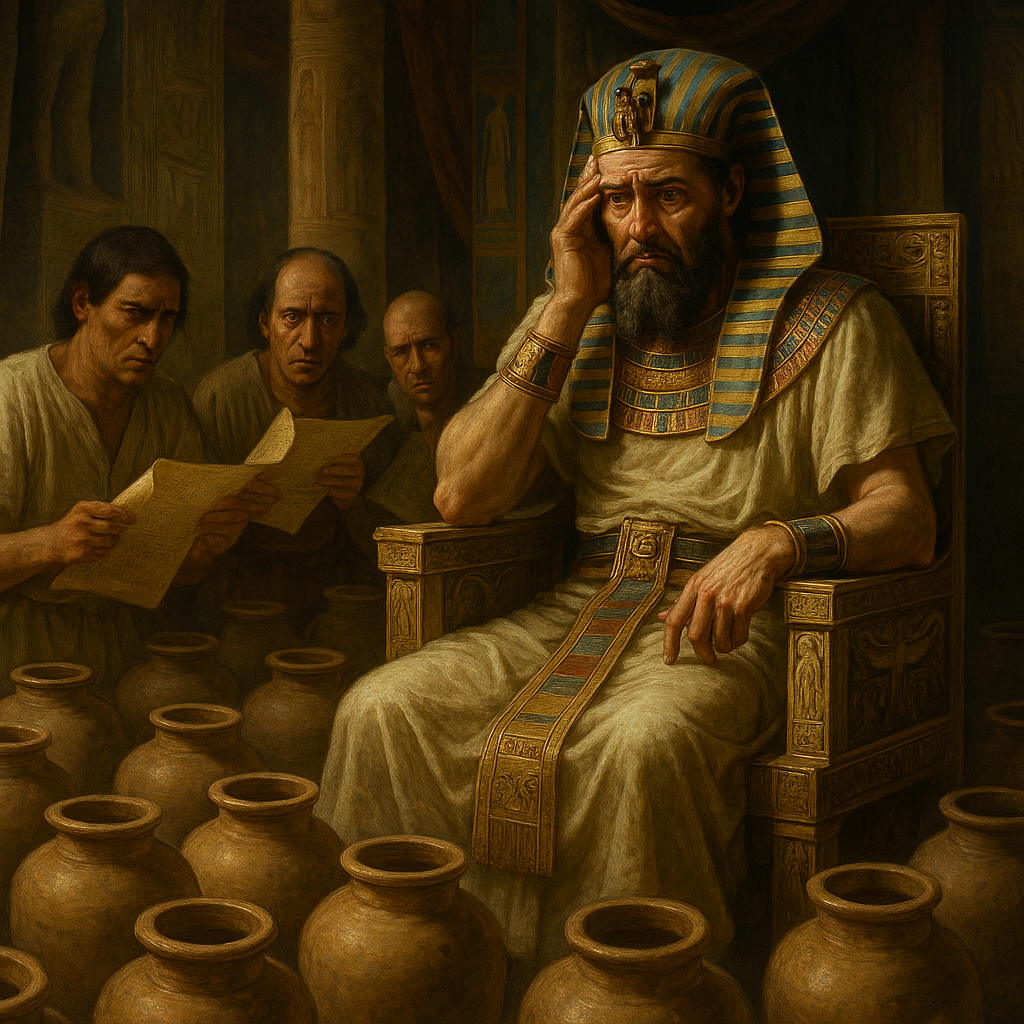
But in the 29th year of Ramesses III’s reign, the machine began to sputter. The grain rations, the lifeblood of the community, stopped arriving. For 18 long days, the workers and their families waited, their storerooms dwindling. The central government, once a symbol of unwavering strength, had failed them. The Pharaoh’s granaries, they were told, were empty.
What followed was the first recorded labor strike in human history. The artisans of Deir el-Medina, the elite craftsmen of the empire, laid down their tools and marched in protest. They were not just hungry; they were witnessing the erosion of a system they had trusted for generations. Their strike was not merely about food; it was a protest against a government that had broken its sacred promise. The failure to deliver their rations was not just an administrative oversight; it was a sign of a deeper decay, a rot that was eating away at the heart of the empire.
The Pattern Recognition
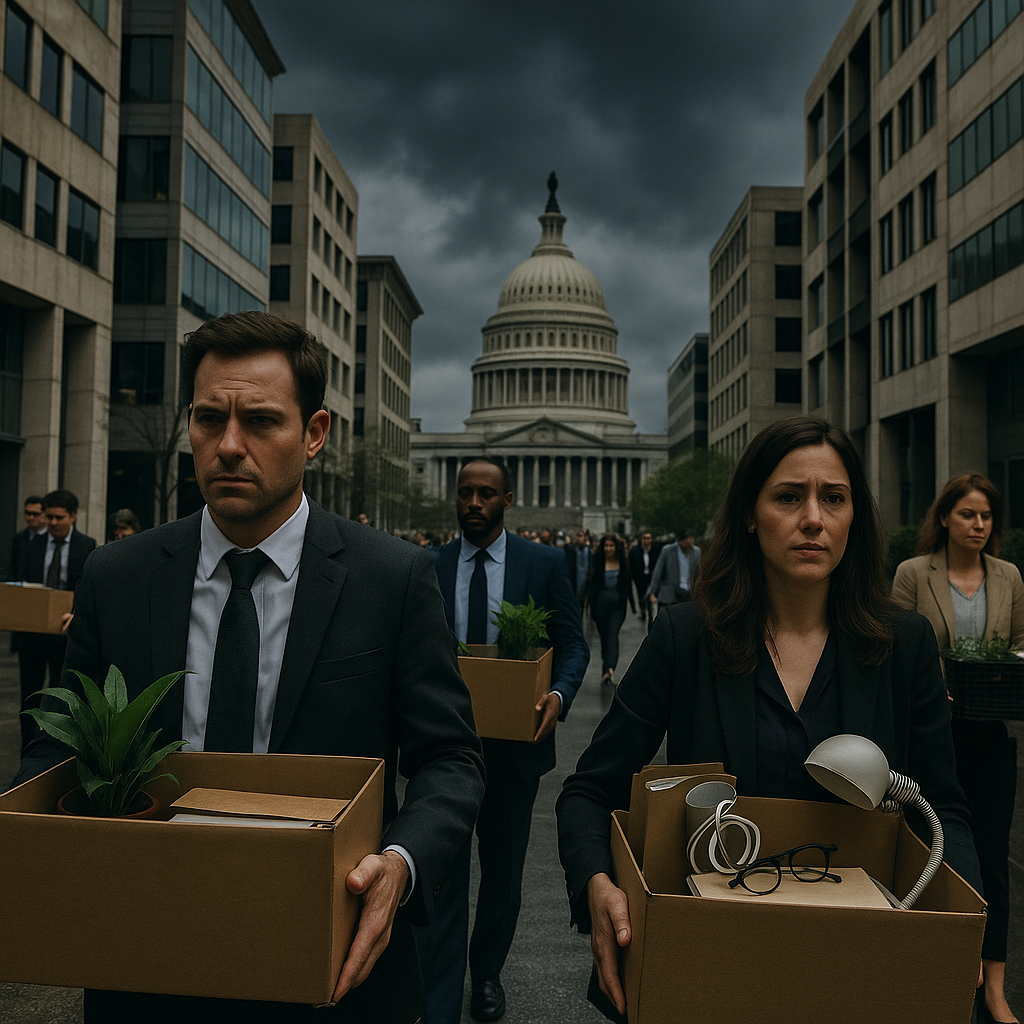
Why does this ancient story feel so chillingly familiar? Because the same patterns of institutional decay are playing out in America today. The exodus of 154,000 federal workers is not just a statistic; it is a symptom of a government in crisis. Just as the artisans of Deir el-Medina lost faith in a system that could no longer provide for them, so too are modern federal employees growing disillusioned with a government that seems increasingly unstable and unreliable.
The parallels are striking. A powerful, centralized government, once a symbol of stability, finds itself unable to meet its basic obligations. A highly skilled and essential workforce, the backbone of the system, begins to question its loyalty. And a sense of unease and uncertainty begins to permeate society, as people wonder if the institutions they have always relied on are beginning to crumble.
The Ancient Warning
The story of Deir el-Medina does not have a happy ending. The strikes were a harbinger of a darker future. The Ramesside period, once a golden age of Egyptian power, descended into a long and painful decline. The central government, weakened by internal strife and economic turmoil, lost its grip on power. The empire, once a beacon of civilization, slowly faded into history.
The lesson of Deir el-Medina is a stark one: when a government can no longer provide for its people, when it breaks its promises and allows its institutions to decay, it sets in motion a chain of events that can lead to its own undoing. The exodus of the artisans was not the cause of the empire’s collapse, but it was a clear and undeniable symptom of a disease that had already taken root.
5 Things Readers Can Do This Week
History is not just a story; it is a warning. The events of the past offer us a glimpse into our own potential future. Here are five things you can do this week to prepare for the echoes of history that are reverberating in our own time:
- Build Your Personal Ark: The artisans of Deir el-Medina were dependent on the state for their survival. When the state failed, they were left with nothing. Learn from their mistake. Start building your own personal ark, a reserve of essential supplies that can sustain you and your family in times of crisis. Explore how to build a resilient food supply at Self-Reliance Report.
- Secure Your Health: In times of instability, access to healthcare can become unreliable. Take control of your health now. Learn about natural and effective ways to boost your well-being at Freedom Health Daily.
- Master a Skill: The artisans of Deir el-Medina were valued for their skills. In a world of uncertainty, practical skills are the ultimate currency. Learn how to become more self-sufficient at Homesteader Depot.
- Build a Community: When the central government failed, the people of Deir el-Medina turned to their local community. Forge strong bonds with your neighbors and build a network of mutual support. Discover the power of community at Survival Stronghold.
- Nourish Your Body: A healthy body is your first line of defense. Learn about the power of natural supplements and holistic health at Seven Holistics.
Sponsored by 4ft Farm Blueprint
Ready to build your own food security system? The 4ft Farm Blueprint provides a step-by-step guide to creating a high-yield, low-maintenance garden that can feed your family, even in the most uncertain of times. Don’t wait for the granaries to run empty. Build your own today.
Sponsored by The Self-Reliance Report
In a world of increasing uncertainty, self-reliance is not just a choice; it’s a necessity. The Self-Reliance Report is your trusted guide to navigating the challenges of our time, with practical advice on everything from food security and off-grid living to personal defense and financial preparedness.