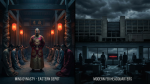
The Modern Mystery
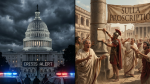
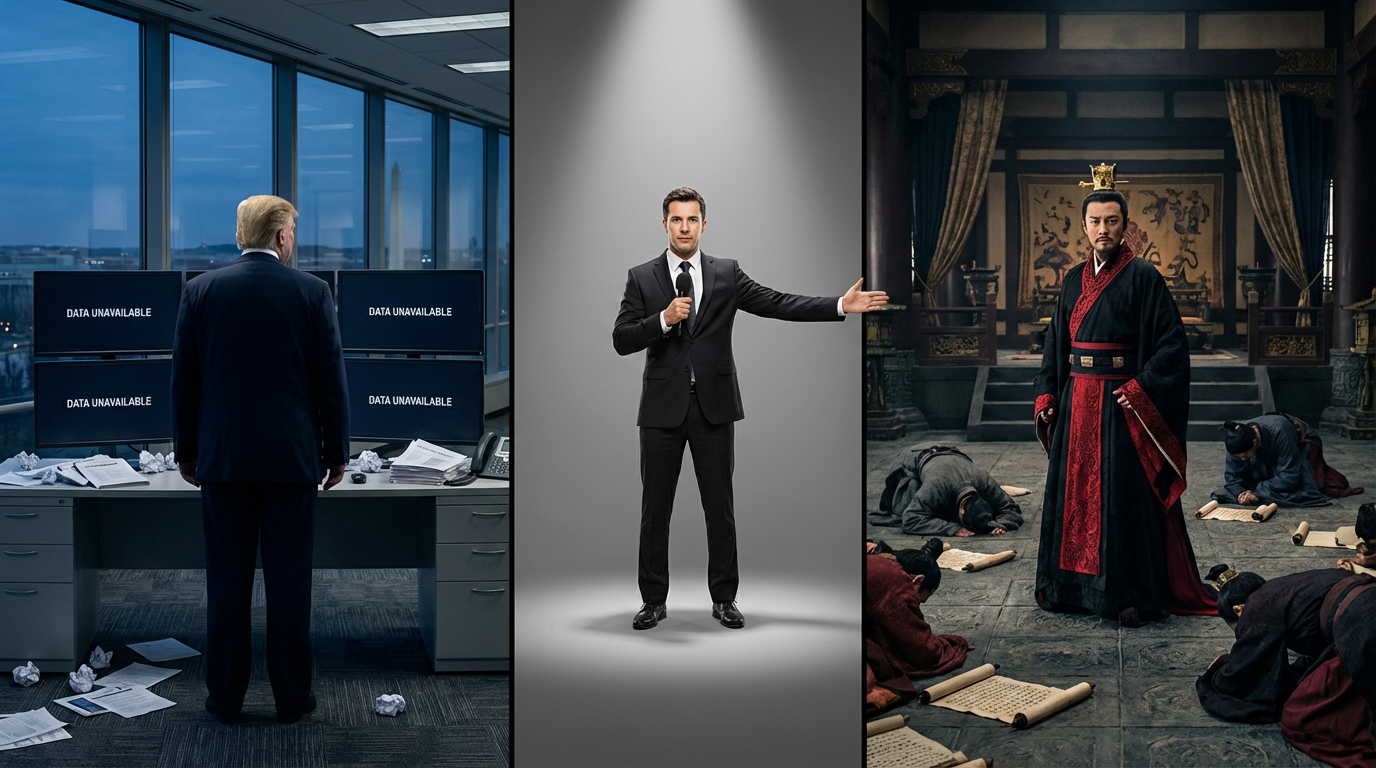
It started quietly. A cancelled report here, a delayed release there. In the grand scheme of Washington’s daily chaos, it barely registered. But for those paying attention, a disturbing pattern emerged. The Bureau of Economic Analysis, the official scorekeeper of the nation’s economic health, suddenly went dark. The advance estimate for the third-quarter Gross Domestic Product (GDP) – a crucial indicator of our prosperity – was not just delayed, but cancelled altogether. [1]
Then, another light flickered out. The Labor Department’s monthly jobs report for October vanished. The Bureau of Labor Statistics’ inflation report? Scrapped. [1] The very instruments designed to give us a clear picture of our economic reality were being systematically unplugged. The White House, when pressed, deflected, blaming political opponents for “permanently damaging the federal statistical system.” [1]
But the timing was too convenient. With the administration’s signature policies, from mass deportations to sweeping tariffs, projected to hammer the GDP, the sudden blackout of economic data felt less like a technical glitch and more like a deliberate strategy. [1] It was a chilling echo of a timeless and fatal impulse: when the news is bad, kill the messenger. Or, in this case, kill the report.
The Time Portal
Let’s travel back 2,235 years. The year is 210 BCE. The place, the newly unified empire of China. The legendary First Emperor, Qin Shi Huang, a man who built the Great Wall and an army of terracotta warriors, is dead. His iron-fisted rule, which forged a nation from warring states, has ended not with a bang, but with a vial of mercury pills he believed would grant him immortality. [2]
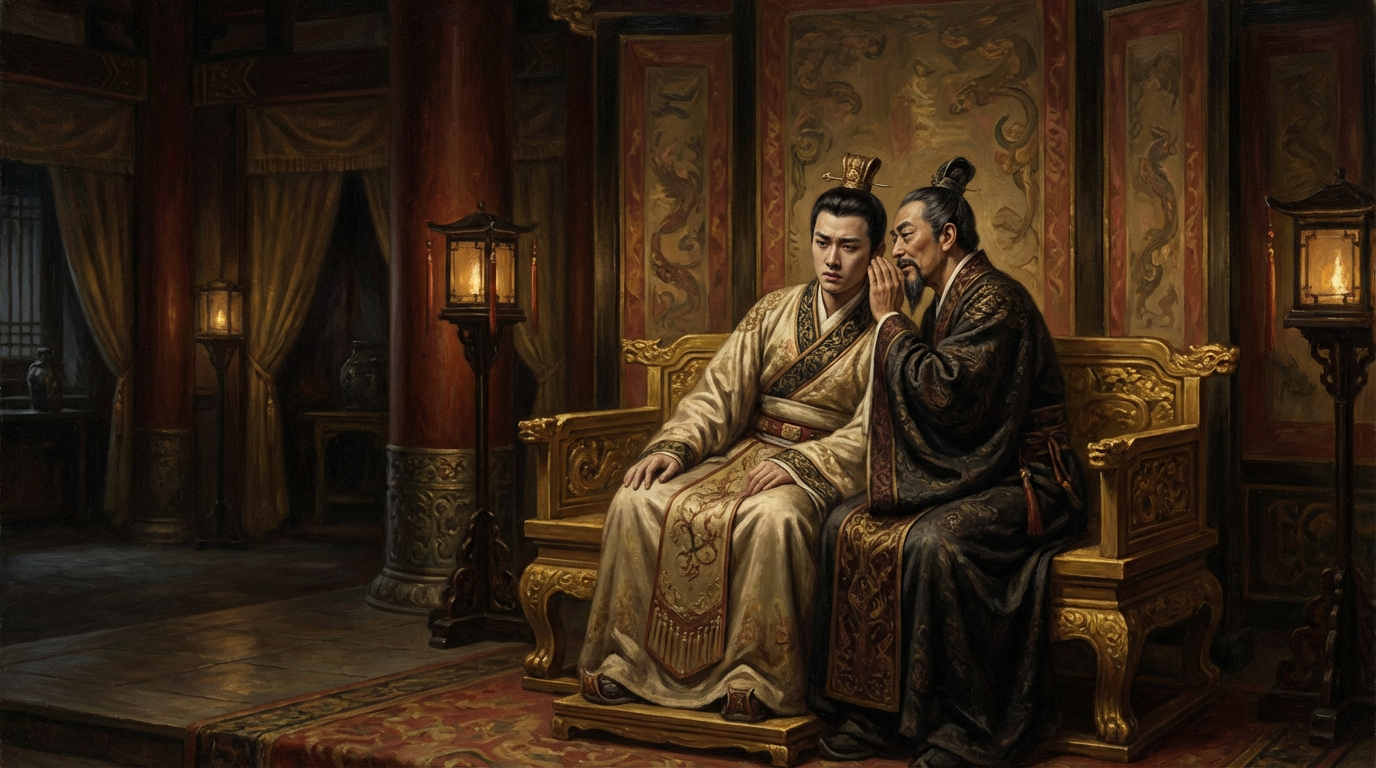
In the power vacuum, a conspiracy brews. The emperor’s youngest, most pliable son, Huhai, is thrust onto the throne by the cunning eunuch Zhao Gao. The legitimate heir is forced to commit suicide. Huhai, barely a man at 18, becomes Qin Er Shi, the Second Emperor. He is a ruler in name only, a puppet whose strings are pulled by the shadowy figures in his court. [3]
Zhao Gao, the master manipulator, whispers poison in the young emperor’s ear. “You are the Son of Heaven,” he purrs. “Your voice must never be heard, your face never shown.” [3] And so, the emperor retreats into the silent, gilded cage of his palace, completely isolated from the world he is supposed to rule. His only window to the vast empire is Zhao Gao.
The Parallel Revelation
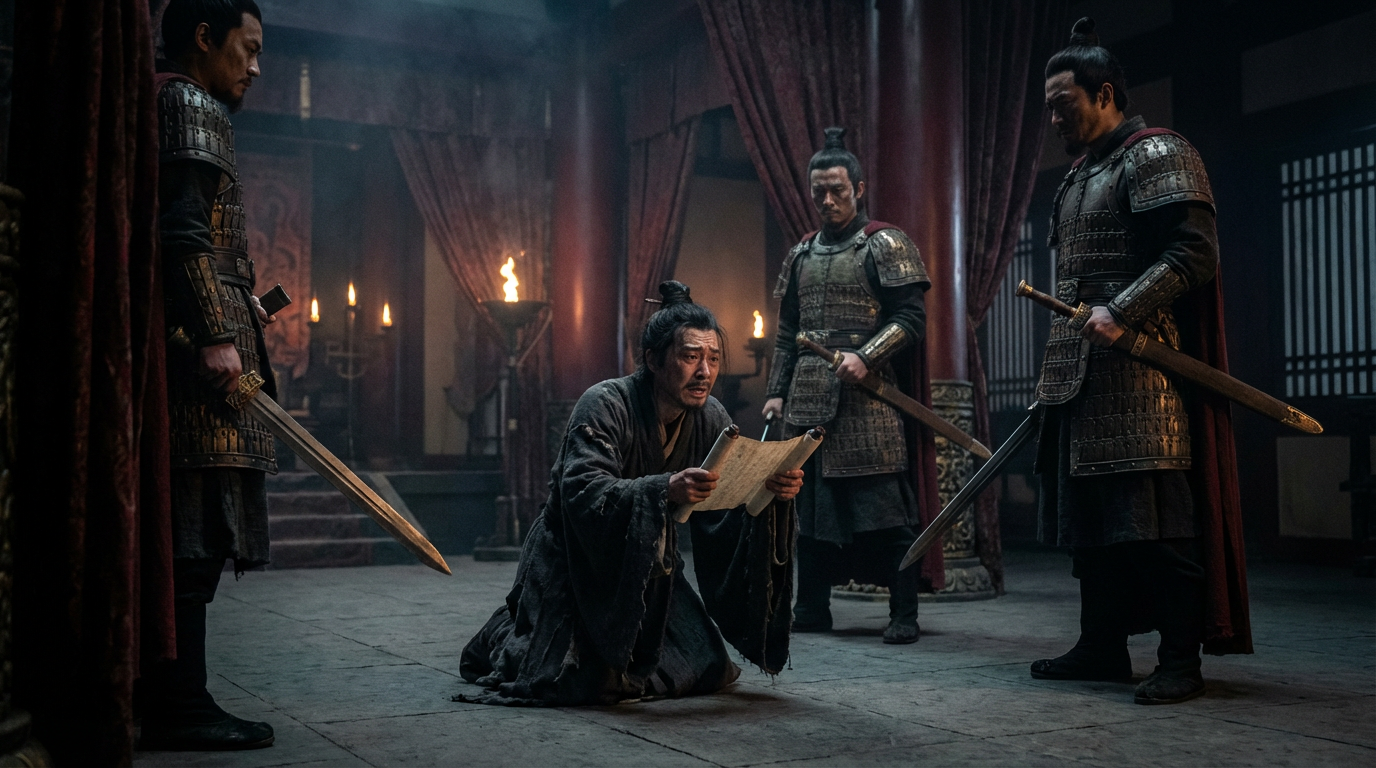
As rebellions flare across the newly conquered territories, a stream of messengers bearing bad news arrives at the palace. But the Son of Heaven cannot be disturbed with such unpleasantries. Qin Er Shi, on the advice of Zhao Gao, issues a simple, brutal decree: any messenger who brings bad news will be executed. [3]
The effect is immediate and predictable. The messengers, not keen on being hacked to pieces, learn to filter their reports. Bad news becomes good news. Defeats become victories. The rumblings of a collapsing empire are transformed into a symphony of success. The emperor, cocooned in his information-free bubble, hears only what he wants to hear. He is a man flying blind, convinced he is soaring.
This is the same impulse we see today, not with the executioner’s sword, but with the censor’s pen. When the economic numbers don’t align with the desired narrative, the solution is not to change the policies, but to stop the numbers from being released. It is the modern equivalent of killing the messenger. The logic is the same: if the people don’t know how bad things are, maybe they won’t be so bad.
The Pattern Recognition
This pattern is not unique to ancient China or modern America. It is a fundamental flaw in human nature, a timeless temptation for those in power. The desire to control the narrative, to shape reality to fit one’s own agenda, is as old as civilization itself. It is the story of the court jester who is banished for telling an unflattering truth, the scientist who is silenced for publishing inconvenient data, the journalist who is jailed for exposing corruption.
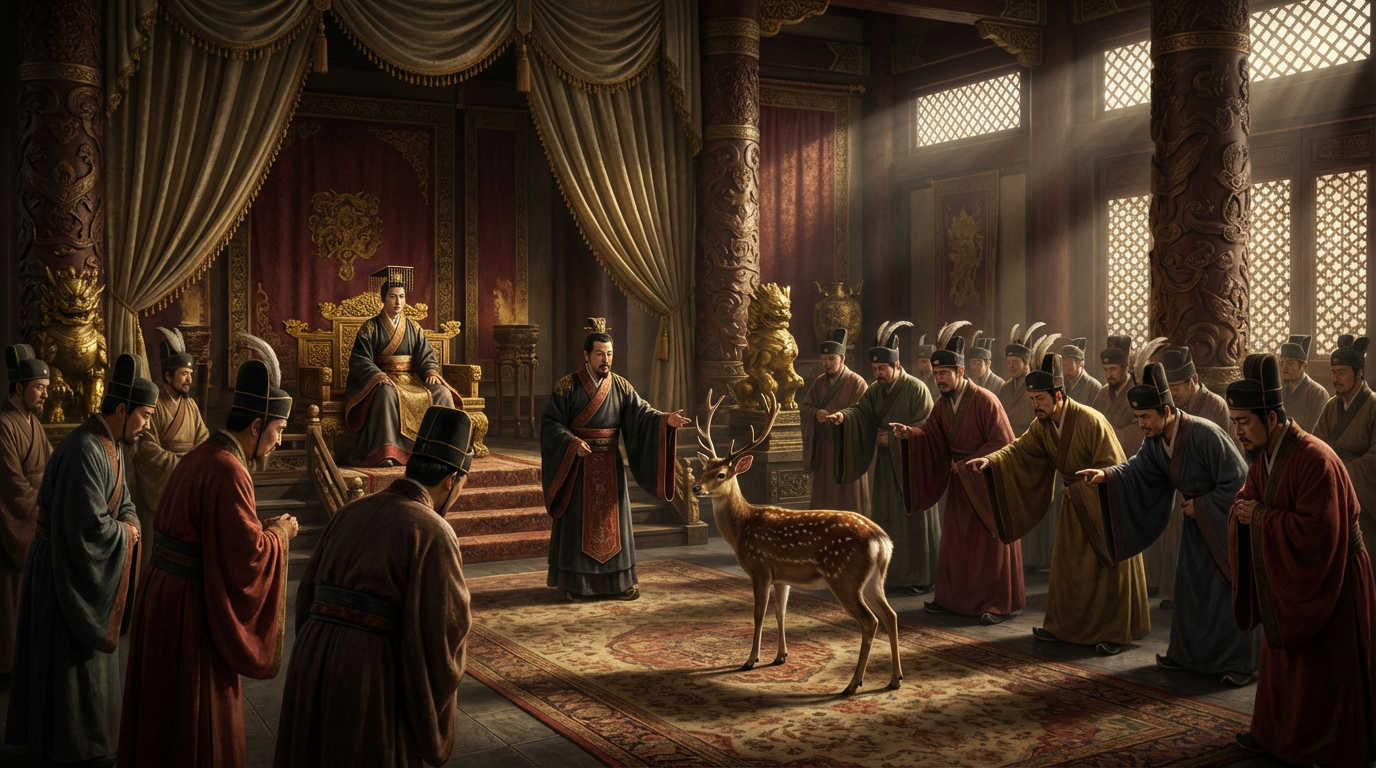
It is the story of Zhao Gao and his infamous “deer and horse” test. To consolidate his power, Zhao Gao brought a deer to court and declared it a horse. He then asked the assembled officials to weigh in. Those who dared to call it a deer were quietly purged. Those who agreed it was a horse were promoted. [4] It was a brilliant, terrifying display of loyalty over truth. It was a test to see who was willing to deny the evidence of their own eyes to please the man in power.
The Ancient Warning
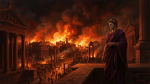
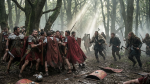
For Qin Er Shi, the reckoning was swift and brutal. While he was basking in the glow of his fabricated good news, his empire was burning. In 207 BCE, at the Battle of Julu, a rebel army of 60,000 crushed a Qin army of 200,000. [3] The emperor, finally realizing the extent of Zhao Gao’s deception, tried to have him eliminated. But it was too late. The eunuch, ever the survivor, forced the 22-year-old emperor to commit suicide. [3]
The Qin Dynasty, the first unified Chinese state, a marvel of engineering and military might, collapsed after a mere 15 years. [2] It was a historical blink of an eye. The cause of death? A self-inflicted blindness, a fatal allergy to bad news.
5 Things You Can Do This Week
History is not just a collection of stories; it is a series of warnings. When governments start hiding the numbers, it’s time to start paying attention. Here are five things you can do this week to prepare for what might be coming:
1. **Build Your Own Information Network:** Don’t rely on a single source for your news. Seek out independent journalists, international news outlets, and alternative media. The truth is out there, but you have to dig for it. Find out how to build a resilient information network at [SurvivalStronghold.com](https://survivalstronghold.com). 2. **Secure Your Finances:** When the official economic story is a fantasy, your personal finances need to be grounded in reality. Learn how to protect your wealth from inflation and economic instability at [SelfRelianceReport.com](https://selfreliancereport.com). 3. **Grow Your Own Food:** The most basic form of self-reliance is the ability to feed yourself and your family. Start a garden, no matter how small. Learn how to turn your backyard into a food-producing powerhouse with the [4ft Farm Blueprint](https://4ftfarmblueprint.com). 4. **Invest in Your Health:** A strong body and a clear mind are your most valuable assets in uncertain times. Explore natural health solutions and build your resilience at [FreedomHealthDaily.com](https://freedomhealthdaily.com). 5. **Connect with Your Community:** In times of crisis, your neighbors are your first responders. Get to know the people on your street. Build local networks of mutual support. Learn how to build strong communities at [HomesteaderDepot.com](https://homesteaderdepot.com).
Sponsored by 4ft Farm Blueprint
Is your grocery bill giving you anxiety? Are you tired of relying on a fragile supply chain for your family’s food? The 4ft Farm Blueprint is your step-by-step guide to creating a high-yield, low-maintenance food garden in your own backyard. In just 4 feet of space, you can grow enough fresh, organic produce to feed your family and slash your grocery bills. Stop worrying and start growing. Get the [4ft Farm Blueprint](https://4ftfarmblueprint.com) today.