
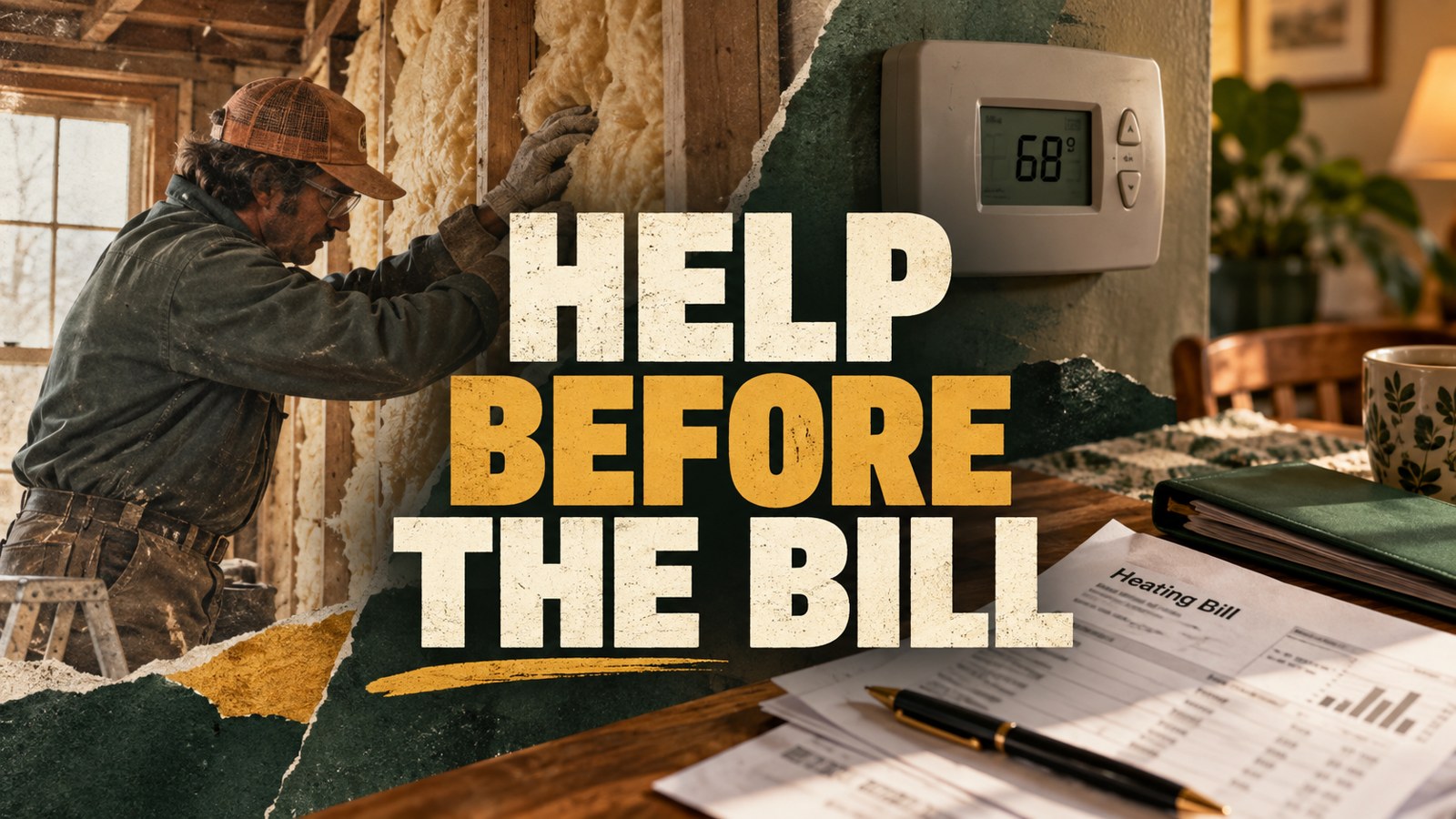
Your Daily Install connects what’s happening now with a useful pattern from the past—and one simple step you can take today to make your household more resilient.
Print the action worksheet below, fill it in, and add it to your Household Resilience Network binder.
What’s happening now?
You can use less heat and still worry when the bill comes. Before you put it on a card, check what help your household may qualify for.
EIA’s October 6 winter outlook shows that heating costs will not move the same way for everyone. Natural gas and propane households may spend less on average; heating-oil households face the largest increase. Your fuel, weather and rate matter.
Heating-help programs are opening for the season, too. Illinois began taking applications from priority groups October 1. Pennsylvania’s season is set to open November 2. Your state has its own dates and rules.
Has this happened before?
When fuel prices rose in the 1970s, a lower thermostat could not fix every drafty house. Families could keep paying to heat air that escaped through the building.
In 1976, the federal Weatherization Assistance Program became an official program. It helped eligible homes use less energy through work on the building itself.
By 1981, Congress had created LIHEAP, which helps eligible households with energy costs. Fixing the house and helping with the bill were different jobs.
What happened next?
Those two types of help continued: weatherization for the home, and energy assistance for qualifying bills or crises.
The pattern: find the right kind of help before a small shortfall becomes an urgent one. These programs are not automatic and funds can run out. A call now can tell you the real rules, rather than leaving you to guess after a late notice.
What does saffron have to do with your eyes?
Glasses on. Package closer. Still hunting for the small print? Follow an eye-support story that starts with plants.
Tap Here to Watch the Eye-Support Story →What can I do?
Use 15 minutes to make one official inquiry. Take out a recent utility bill. Call the number printed on it and ask about payment plans, energy assistance and your local LIHEAP agency.
Ask when applications open, which documents are needed and whether weatherization is a separate application. If you rent or heat with a different fuel, say so. Ask what is available instead of assuming you do not qualify.
Write the answer and your next step. Use a number you found yourself—not a surprise text asking for payment to release a grant. Keep private account and income records off a sheet you share.
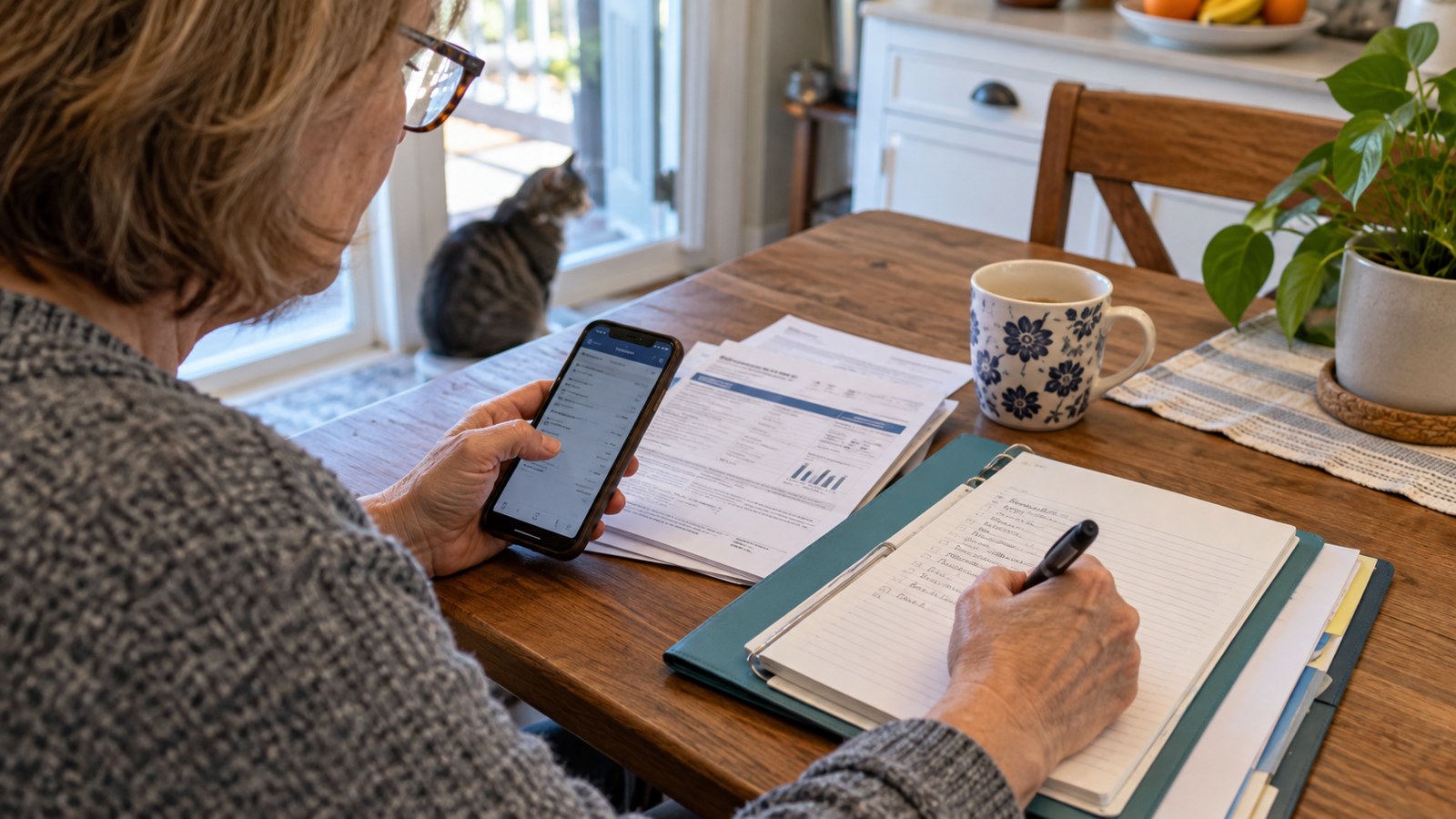
Illustrative household example. Use the worksheet for your own details.
My Heating-Help Inquiry
Date: __________ File under: Money & Records
1. Start with my bill
Main heating fuel:
Utility / supplier:
Official number from bill:
2. Ask the right questions
Local assistance agency:
Application opening / closing dates:
☐ Eligibility asked ☐ Required papers listed
3. Separate the options
☐ Bill help ☐ Payment plan ☐ Weatherization
What I was told:
4. Finish the next step
Call / application date:
Next action and date:
Today’s win: One official source has given you a next step, a date and the papers to gather.
The outlets are dead. What is Plan B?

A row of dead outlets can change the whole day. What if your next backup started with a set of plans instead of another ready-made gadget?
See the DIY idea behind the Energy Revolution System. The video opens up the project and the parts it calls for.
| Tap Here to See the DIY Power Idea → |
Stay steady,
Seamus Gerry III
American Downfall
P.S. Did you know weatherization and bill help are separate programs? Reply yes or no. Share this without sharing anyone’s financial details.
P.P.S. One useful next read from the Household Resilience Network: Self-Reliance Install: Keep One Way to Pay Without a Signal.