
Your Daily Install connects what’s happening now with a useful lesson from the past and one small thing you can do at home.
Print the worksheet, fill it in, and add it to your Household Resilience Network binder.
What’s happening now?
A credit card bill gives you a number you have to pay to stay current. It also tells you how much it cost to carry what you already owed. Those numbers do two different jobs.
Friday’s Federal Reserve report showed revolving credit, which includes most credit cards, rose in September after a drop in August. The report covers the country. For your own household, the useful number may be a line on your last statement.
If you are carrying a balance, look for the actual interest charged this period. That tells you something the minimum payment alone cannot.
Has this happened before?
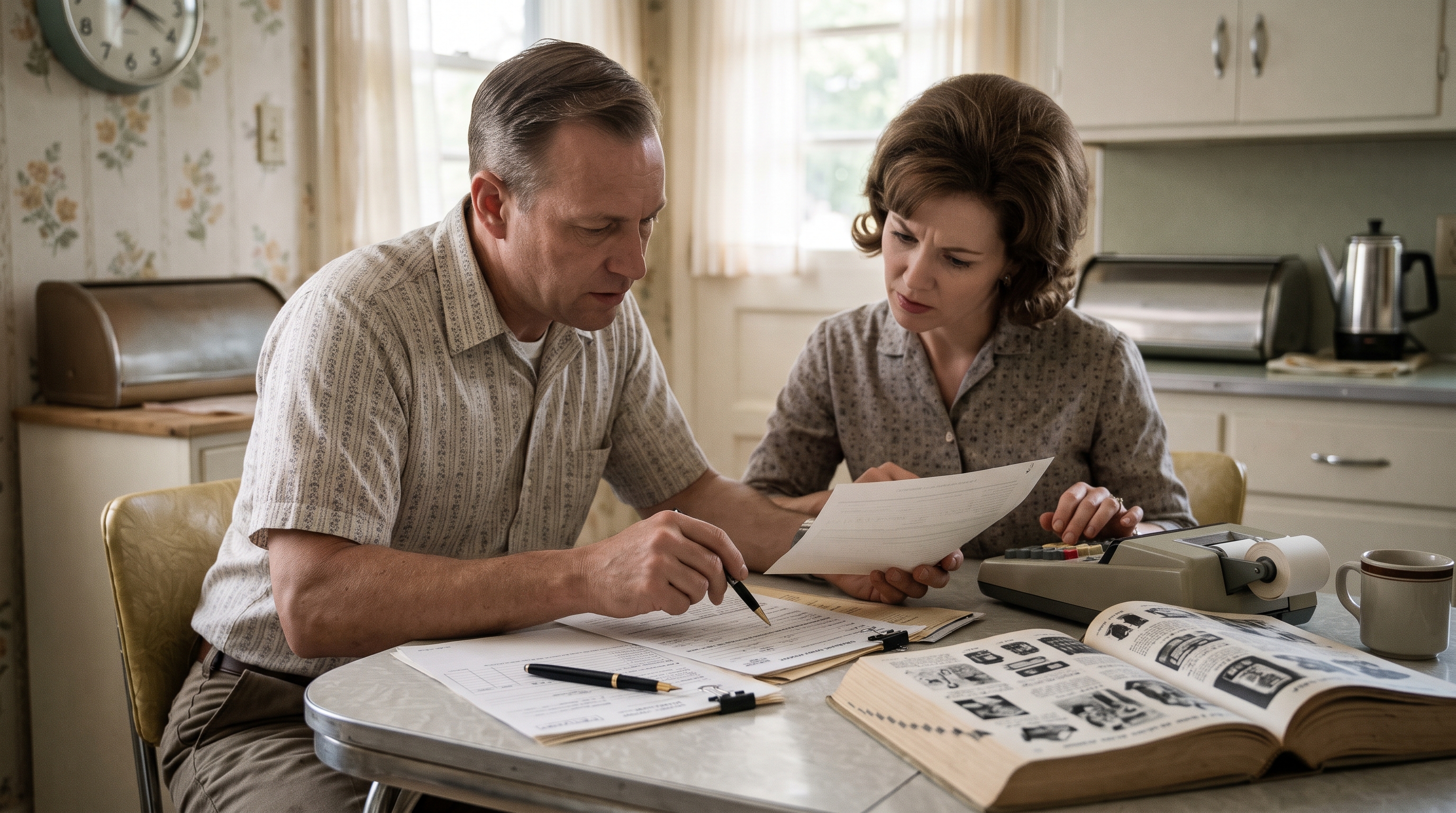
In 1968, Congress passed the Truth in Lending Act. One goal was to make borrowing terms easier to compare. If one store described its credit by the payment per month and another gave a finance charge, a shopper could struggle to see which choice cost more.
The law called for standard ways to disclose terms. One was the annual percentage rate, or APR. It puts the cost of credit into a yearly rate so borrowers have a common yardstick.
That solved part of the problem. A borrower could now look for a standard rate. But a rate by itself still takes some work to turn into a household decision. A percentage in a box can feel far away from the money that actually left your account.
That’s why it helps to use two numbers. The rate helps you compare credit terms. The interest charge shows how much interest that statement recorded in dollars.
What happened next?
The minimum payment can feel like the whole bill because it is the easiest number to spot. It tells you the least the issuer asks you to pay by the due date. Your interest charge answers a different question about what carrying the balance cost.
Read the interest in dollars before making the next purchase decision. If it was $24, that’s an amount you can compare with something you would rather pay for. That’s an illustration. Use your own statement’s figure.
Some statements show separate rates for purchases and other balances. Use the purchase rate for a purchase comparison. Fees are also separate from interest.
What would you ask before opening a gold IRA?
The price is only one part of a financial choice. This free beginner’s guide gives you five questions to bring to a conversation about a retirement account that can hold certain precious metals.
| Request the Free Beginner’s Guide |
What can I do?
Open one recent credit card statement. Record the interest charged, the purchase APR, and the due date. If the interest charge surprised you, write one spending decision you’ll revisit before using that card again. Keep paying at least the required minimum on time.
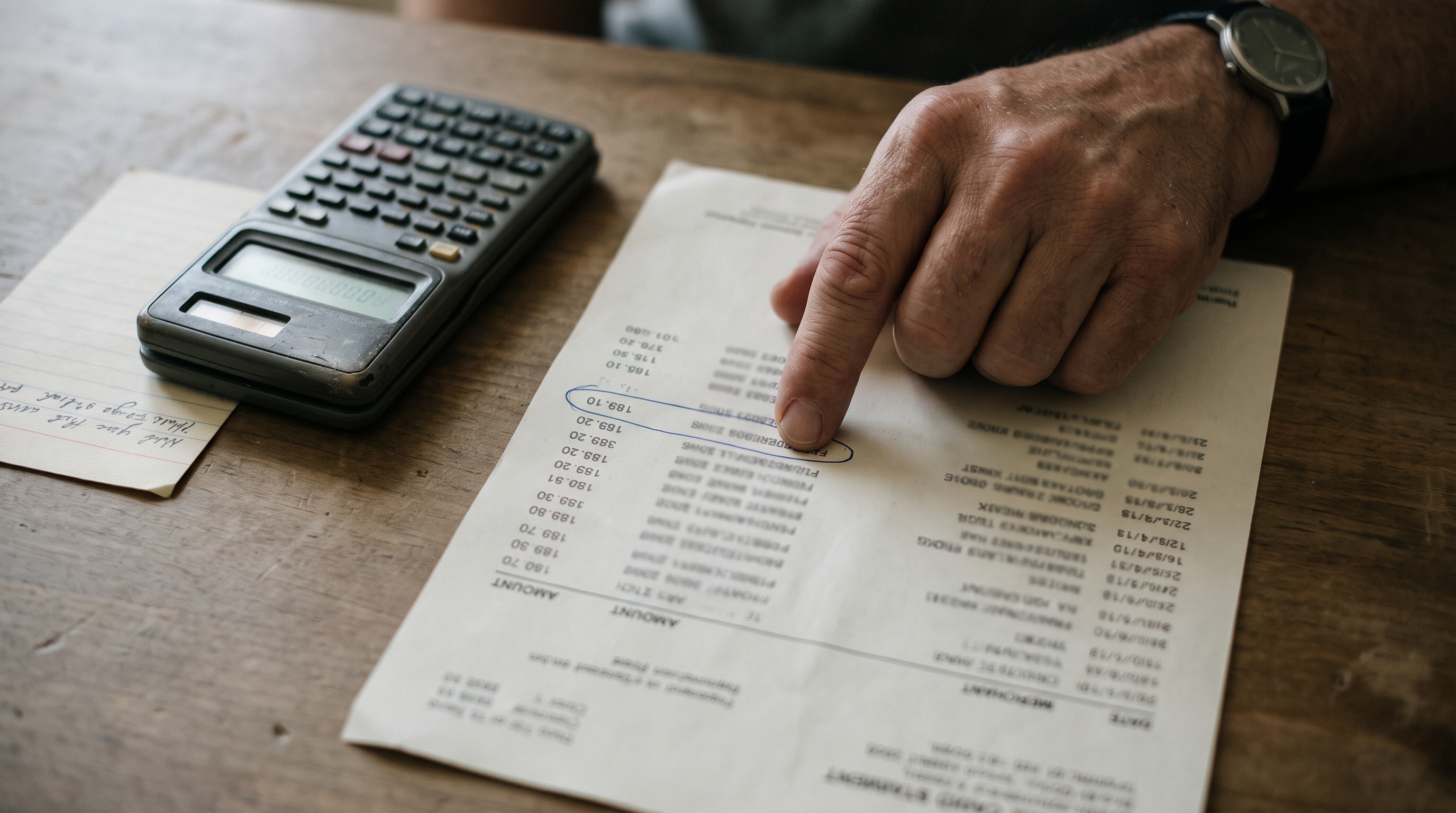
My One-Card Cost Check
☐ I finished the check or set a date for the next step.
Today’s win: one statement tells you in dollars what it cost to carry the balance.
Which thing on your receipt could you grow?

Look for the food you buy most often. A small space can give you another source for some of it. See how the Modern Victory Garden starts with the meals you already make.
| See the Modern Victory Garden → |
Stay steady,
Seamus Gerry III
AmericanDownfall.com
P.S. Which number catches your eye first on a card bill? Hit reply and tell me. Forward this to someone comparing a purchase by monthly payment alone.
P.P.S. Two useful next reads: