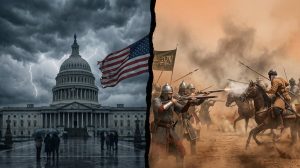
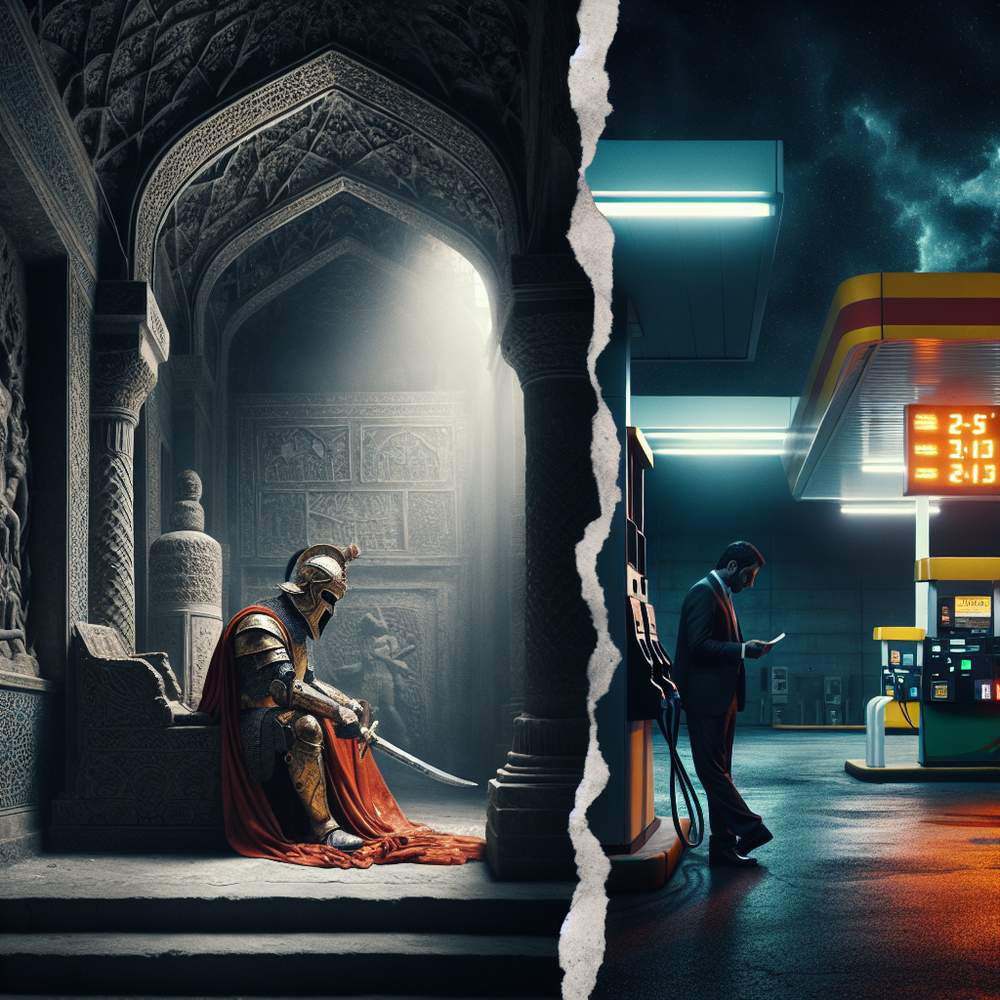
The numbers coming out of the Middle East are staggering.
The U.S.-led war in Iran is now costing American taxpayers between $1 billion and $2 billion every single day.
Oil prices have surged past $106 a barrel — a 40% spike since the conflict began on February 28.
And the economic shockwaves are already hitting home.
Global stocks have tumbled 5.5%. The average American household is projected to spend an additional $740 on gas this year alone. Major financial institutions like Moody’s are now warning of a 49% probability of a U.S. recession in the next 12 months.
We are watching the world’s superpower bleed its treasury dry to control a narrow strip of water: the Strait of Hormuz.
But we are not the first empire to fall into this exact trap.
Nearly 1,400 years ago, another global superpower controlled the Persian Gulf. They commanded the trade routes, fielded the most feared military of their era, and believed their wealth was infinite.
They were the Sassanid Persian Empire.
And they didn’t fall because a superior enemy outfought them. They fell because they simply ran out of money to fund their endless wars.
The Masters of the Persian Gulf
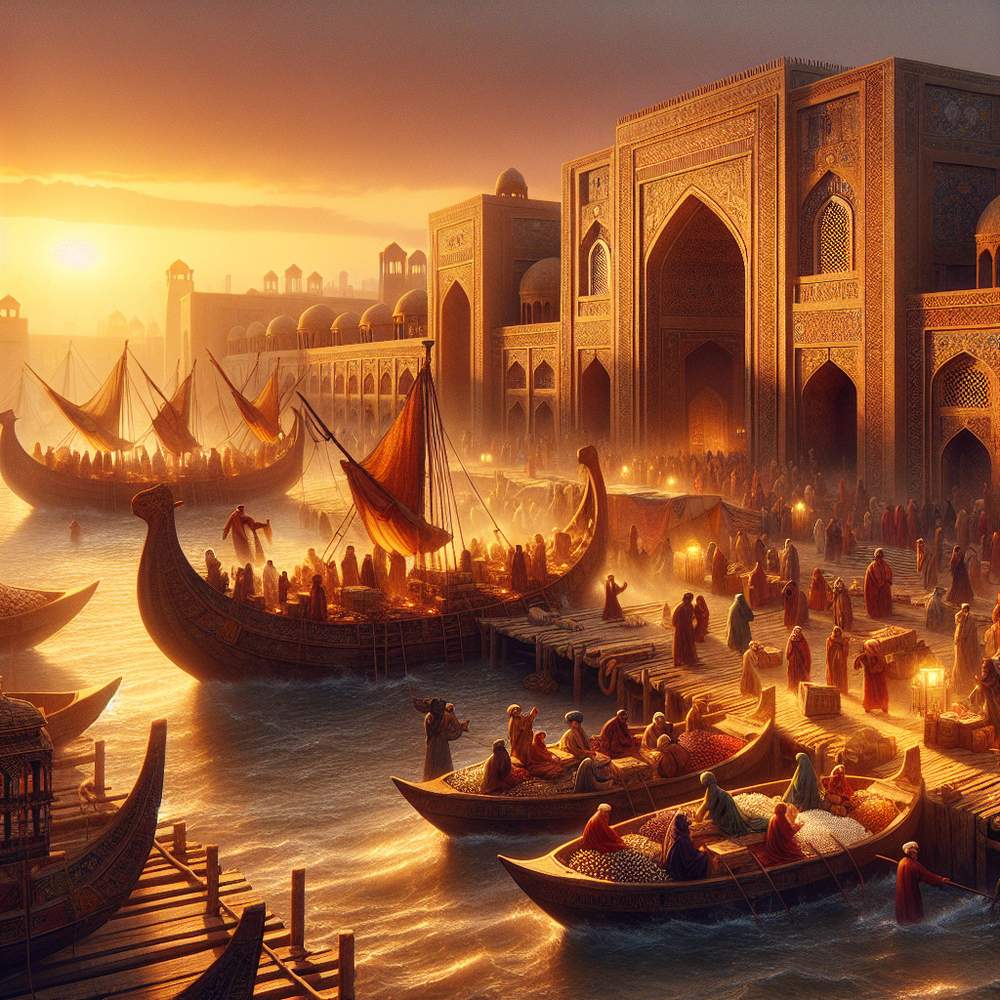
For four centuries, the Sassanid Empire was the undisputed master of the Middle East.
They controlled the vital Silk Road trade routes connecting Asia to the Mediterranean. They dominated the Persian Gulf, taxing the flow of spices, silk, and pearls. Their capital, Ctesiphon, was a marvel of wealth and architectural brilliance.
“The Sassanid Empire was every bit the equal of the Eastern Roman Empire during its golden years.” — Historian Andrew Szekler
They were the economic anchor of the ancient world.
But the Sassanids had a fatal flaw: they were locked in a perpetual state of conflict with their superpower rival, the Byzantine Empire.
For decades, the two empires fought a series of brutal, grinding wars over border territories and trade dominance. The final conflict — the Byzantine-Sasanian War of 602–628 — lasted 26 years.
It was a war of total exhaustion.
The Trap of the Endless War
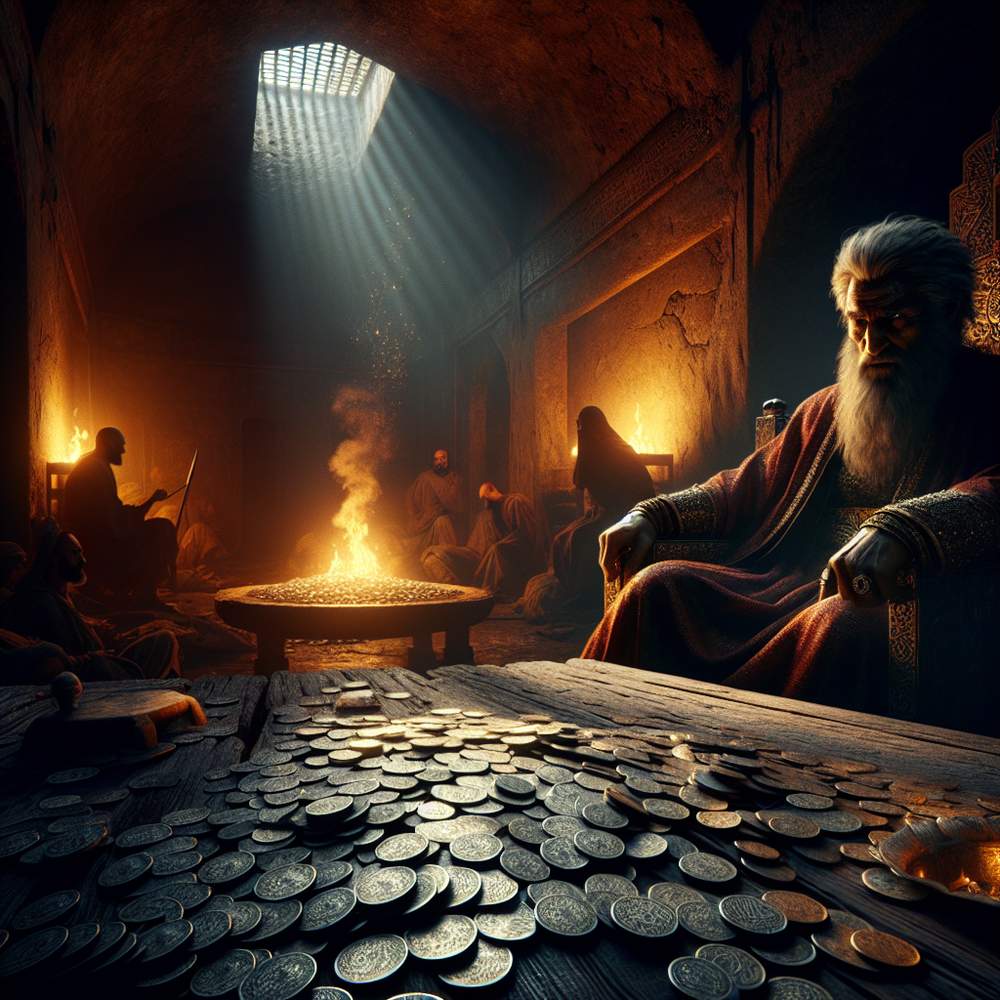
To fund their massive armies, the Sassanid kings squeezed their citizens dry. They raised taxes on merchants, debased their currency, and drained their strategic reserves.
The military won battles, but the economy was dying.
By the time the war finally ended in a stalemate, the Sassanid treasury was empty. The political class was fractured by infighting, with generals and nobles assassinating kings in a desperate bid for control.
In just a few years after the war, over ten different rulers succeeded one another in rapid succession — each one weaker than the last.
The empire had bled itself dry.
When the end came, it wasn’t at the hands of their great Byzantine rivals. It came from a completely unexpected direction.
While the Sassanids were busy bankrupting themselves in endless superpower conflicts, a new force was uniting the Arab tribes to the south. When the Arab armies marched north in the 630s, they didn’t face the mighty, wealthy Sassanid war machine of the past.
They faced a hollowed-out shell.
The Sassanid soldiers were exhausted. The treasury was empty. The citizens, crushed by decades of wartime taxation, had no will left to fight for a corrupt and failing leadership.
In less than twenty years, an empire that had stood for four centuries was completely erased from the map.
They weren’t defeated by superior tactics. They were defeated by their own economic exhaustion.
The Echoes in the Persian Gulf
Look at the United States today.
We are currently burning up to $2 billion a day in the exact same region where the Sassanids bled themselves dry.
Our national debt has breached $39 trillion. We are funding our military adventures not with surplus wealth, but with borrowed money and a debased currency.
The parallels are not subtle.
Just like the Sassanids, we are squeezing our citizens to fund overseas conflicts. The $740 gas tax hitting American families this year is just the beginning. As oil prices stay above $100 a barrel, the cost of everything — from groceries to housing — will continue to skyrocket.
Goldman Sachs has raised U.S. recession odds to 25%. Moody’s puts the probability at 49%. United Airlines CEO is now planning for $175 oil through 2027.
We are watching the real-time exhaustion of the American economic engine.
And just like the Sassanids, our political class is paralyzed by infighting — completely disconnected from the economic reality facing the citizens they claim to represent.
The Path to Resilience
It is easy to look at this pattern of imperial exhaustion and feel a sense of despair. To see yourself as a pawn in a game of empires, forced to pay the price for endless wars.
But history teaches another, more powerful lesson.
When the great, centralized systems exhaust themselves, they create a vacuum. And into that vacuum rushes the opportunity for something new.
The survivors of the Sassanid collapse weren’t the ones who relied on the empire to protect them. They were the ones who had built local resilience. They focused on their own communities, strengthened their own skills, and created networks of mutual support that didn’t depend on a bankrupt central government.
This is not a call to hide from the world. It is a call to build a better one, starting in your own backyard.
The Blueprint for Hope

Building a resilient future starts with a single, powerful step: taking control of your own supply lines.
When the empire exhausts itself, the first things to break are the complex systems we rely on for survival — food, energy, and security.
The 4ft Farm Blueprint is not just about growing food; it’s about sovereignty. It’s the first chapter in your family’s story of independence — a story where you are the builder, not the victim of a failing system.
But true resilience requires a holistic approach. As the economic shockwaves continue, you must protect your physical and financial well-being.
- Learn the essential skills of self-reliance at Homesteader Depot
- Stay ahead of the curve with critical intelligence from the Self Reliance Report
- Connect with a community of builders at Survival Stronghold
- Protect your family’s health outside the fragile medical system with Seven Holistics
- Get the health intelligence that matters at Freedom Health Daily
The empire may be bleeding itself dry. But your family doesn’t have to.
The time to start building is now.