The news feels like a slow-motion car crash.
Another headline about tariffs and trade wars. A 15% global tariff. Retaliation from Canada, China, and the EU. The stock market shudders, and the price of everything you buy ticks upward.
It feels distant, abstract.
But it’s not. It’s the sound of a system breaking. A system we all depend on — for everything from the food on our tables to the phones in our pockets.
We are told this is about protecting American jobs. About national security. But what if it’s the beginning of the end of the world as we know it?
To understand what’s coming, we don’t look to modern economists. We look to the silent, stone cities of the Maya, reclaimed by the jungle over a thousand years ago.
The Gilded Cage of the Maya
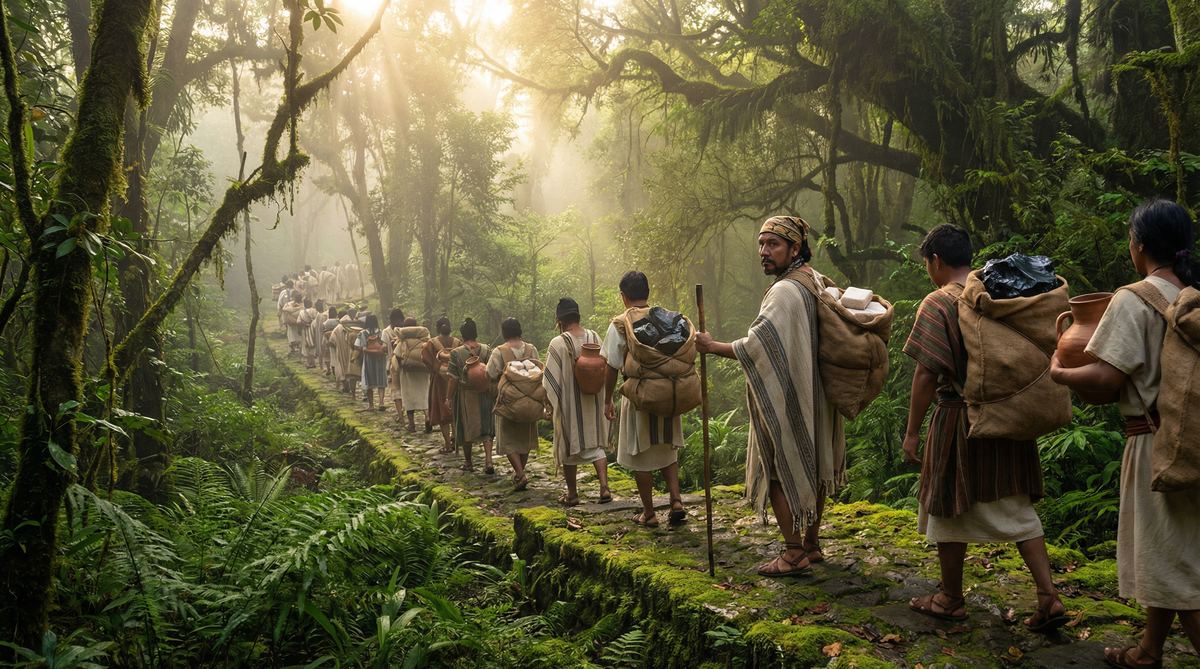
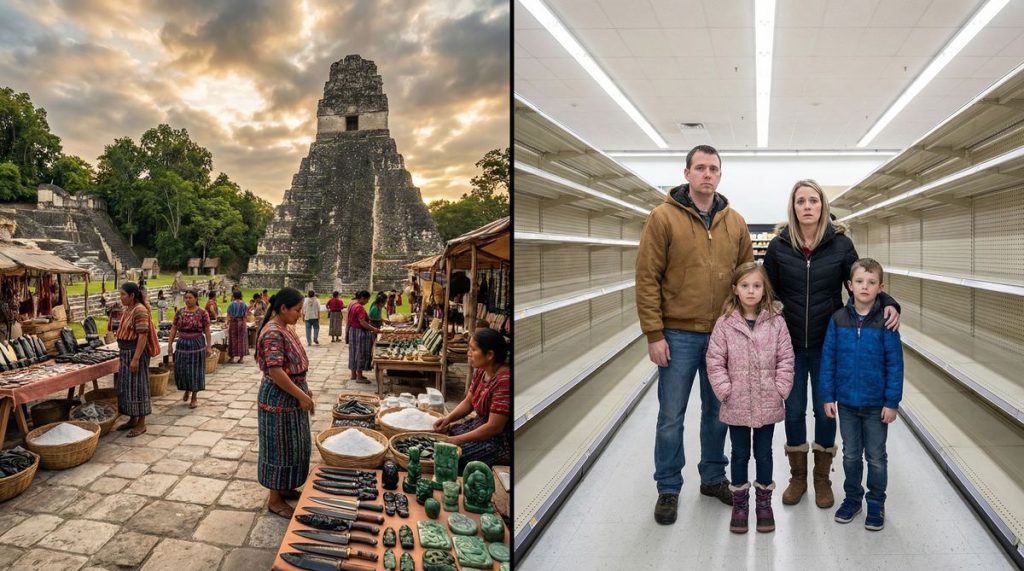
Imagine the great Maya city of Tikal in the 8th century AD. A sprawling metropolis of towering pyramids, bustling plazas, and a population of over 60,000 souls.
It was the beating heart of a civilization that had mastered astronomy, mathematics, and art. But its splendor was built on a fragile foundation: an intricate network of trade routes that stretched for hundreds of miles.
From the highlands came obsidian for tools and weapons. From the coasts came salt — a vital preservative without which food could not be stored. From distant jungles came the jade and exotic feathers that adorned their kings.
The Maya cities were not self-sufficient. They were specialized, interconnected hubs in a complex economic web. A disruption in one part of the web could send shockwaves through the entire system.
For centuries, this system worked. But then, it broke.
The Unraveling
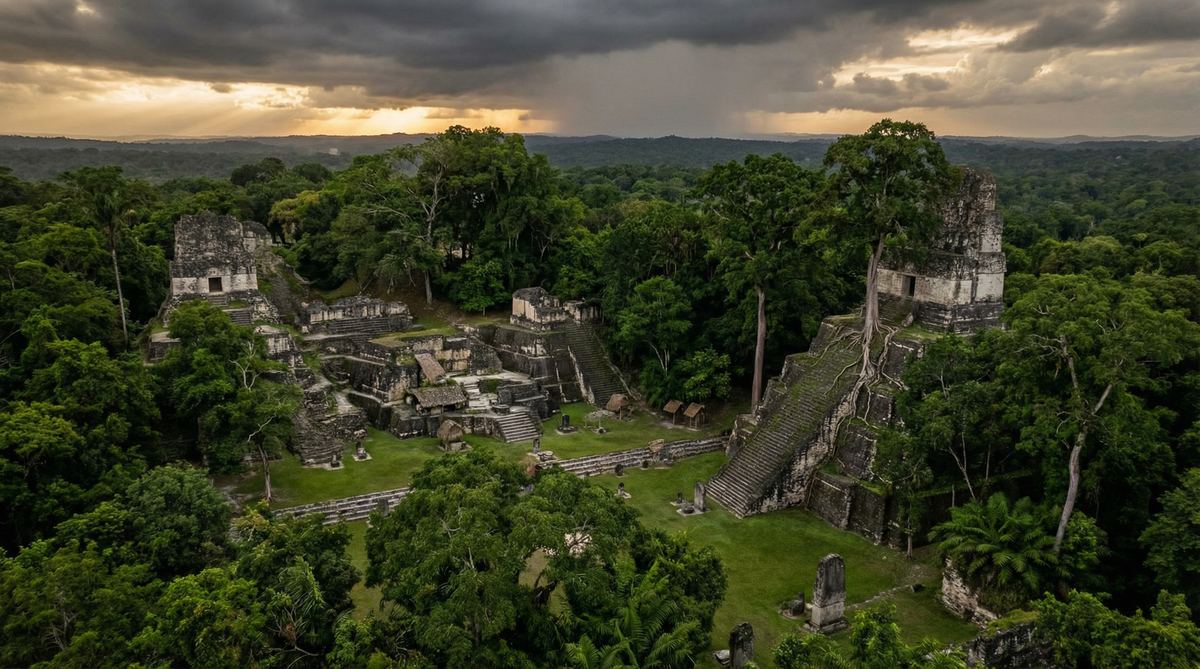
The collapse was not sudden. It was a slow, grinding process that unfolded over 150 years — from roughly 760 to 910 AD.
Historians point to a combination of factors. Endemic warfare between city-states grew more intense, disrupting trade and making travel perilous. A series of prolonged droughts, confirmed by modern climate science, put immense strain on their agricultural system.
As resources grew scarce, the authority of the divine kings — who were supposed to guarantee prosperity — began to crumble. The intricate political alliances that held the trade network together fractured.
The flow of goods slowed to a trickle, and then stopped.
Cities that had once been centers of power and culture began to starve. The population dwindled. The great pyramids and palaces fell silent. The jungle crept back in, swallowing a civilization whole.
“This was surely one of the most profound social and demographic catastrophes of all human history.” — M.E. Coe, historian of the Maya
The Lesson: The Illusion of Complexity
We look at our modern world and see complexity as a strength. A global supply chain that can deliver a smartphone from a factory in China to your doorstep in two days seems like a miracle of efficiency.
But the Maya teach us a different lesson. Complexity is fragility.
Our world, like theirs, is built on a series of chokepoints and dependencies. A single political decision — a tariff, a blockade, a sanction — can sever the arteries of global commerce.
We are told these trade wars are surgical strikes. But they are sledgehammers to the foundation of our prosperity. They are the modern equivalent of the petty wars and broken alliances that brought the Maya to their knees.
The Maya kings believed their power was permanent. They built monuments to themselves while the trade routes that fed their people slowly died. Sound familiar?
The Turn: The Path to Resilience
It is easy to look at this pattern and feel a sense of despair. To see yourself as a pawn in a game of empires.
But history teaches another, more powerful lesson. When the great, centralized systems fail, they create a vacuum. And into that vacuum rushes the opportunity for something new.
This is not a call to hide from the world. It is a call to build a better one, starting in your own backyard.
The survivors of the Maya collapse weren’t the ones who clung to the dying cities. They were the ones who adapted — who focused on their local communities, who strengthened their own skills, and who created resilient networks of mutual support.
The northern Maya cities that survived the collapse had one thing in common: they were more self-reliant. They controlled their own water. They grew their own food. They were not dependent on a fragile web of trade routes controlled by distant kings.
That is the lesson for today. Not panic. Not despair. Sovereignty.
The Action: The Blueprint for Hope

Building a resilient future starts with a single, powerful step: taking control of your own food supply.
The 4ft Farm Blueprint is not just about survival; it’s about sovereignty. It’s the first chapter in your family’s story of independence — a story where you are the builder, not the victim.
When the global supply chain breaks, when the grocery store shelves are empty, your garden will be your salvation. It is the ultimate hedge against the folly of kings and presidents.
The Maya who survived the collapse were the ones who had built something real before the crisis arrived. Don’t wait for the jungle to start growing back.
For more on how to protect your family and your wealth, visit our sister sites:
- SurvivalStronghold.com — Preparedness strategies for what’s coming
- SelfRelianceReport.com — The case for personal independence
- HomesteaderDepot.com — Tools and resources for the self-reliant life
- SevenHolistics.com — Health sovereignty in uncertain times
- TheReadyReport.com — Intelligence for those who prepare
- FreedomHealthDaily.com — Your health, your responsibility