The world woke up today to a cold reality.
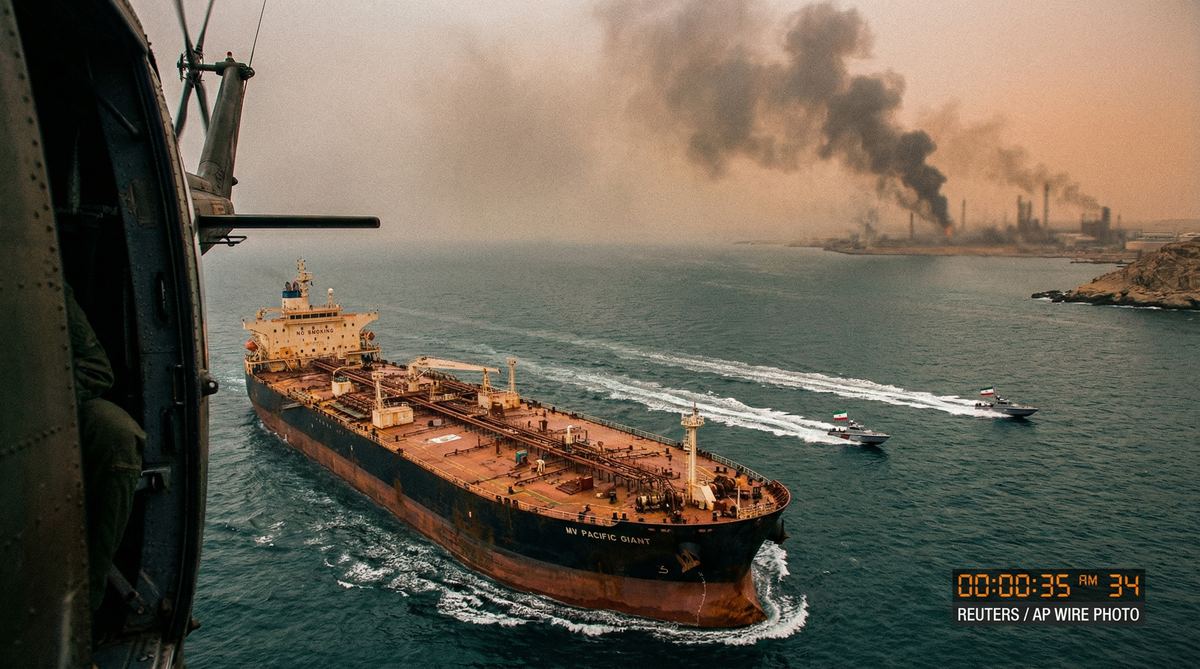
The Strait of Hormuz, the artery through which 20% of the world’s oil flows, is effectively closed.
Iran’s military maneuvers, in response to escalating conflict with the United States, have sent a shockwave through the global economy. Oil prices have surged 15% in a matter of hours. The Dow Jones has plunged over 900 points. And the price of gasoline at your local pump is at its highest level since September.
This is what fragility looks like.
We are told our system is resilient. We are told it is advanced. But today, we see that our entire way of life is dependent on the free passage of tankers through a narrow strip of water thousands of miles away.
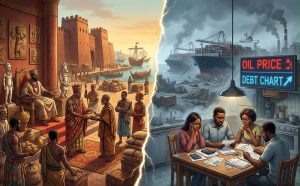
But this is not a new story. History is littered with the ghosts of empires that built their fortunes on the control of a single, vital chokepoint — and paid the ultimate price when that control was lost.
The Empire of the Strait
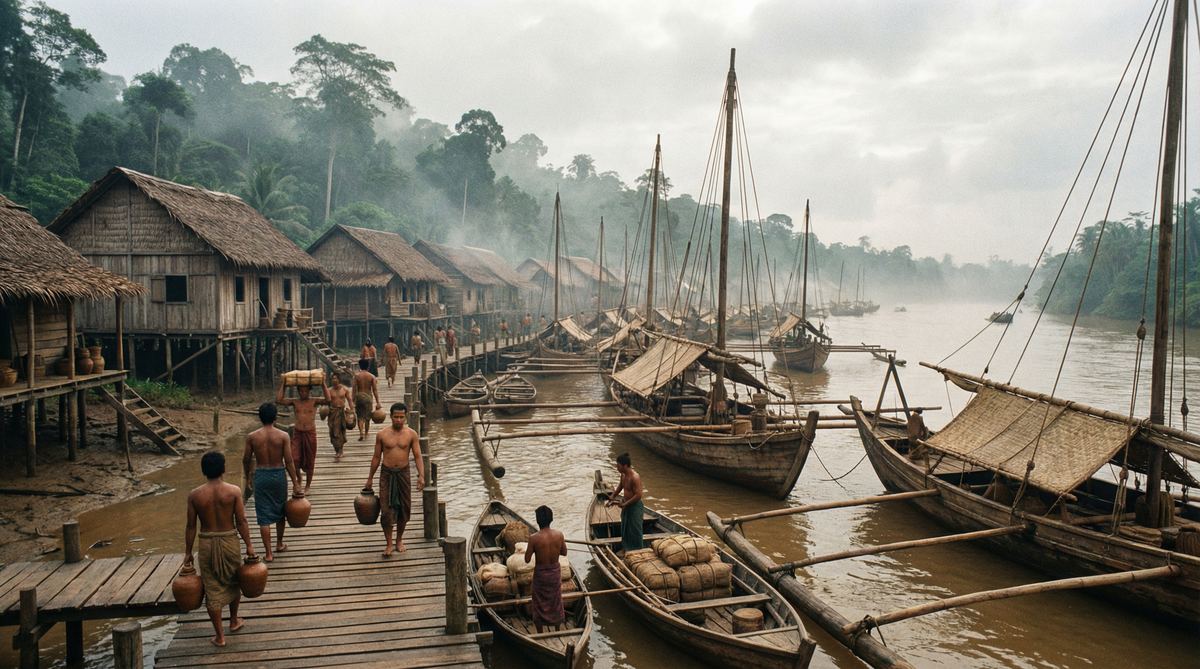
Imagine an empire so powerful, so wealthy, that its name was spoken in the same breath as the great dynasties of China and the caliphates of the Middle East. An empire that for over 350 years held the keys to global commerce, not through vast armies, but through the control of a single, 500-mile stretch of water.
This was the Srivijaya Empire, the forgotten maritime superpower of Southeast Asia.
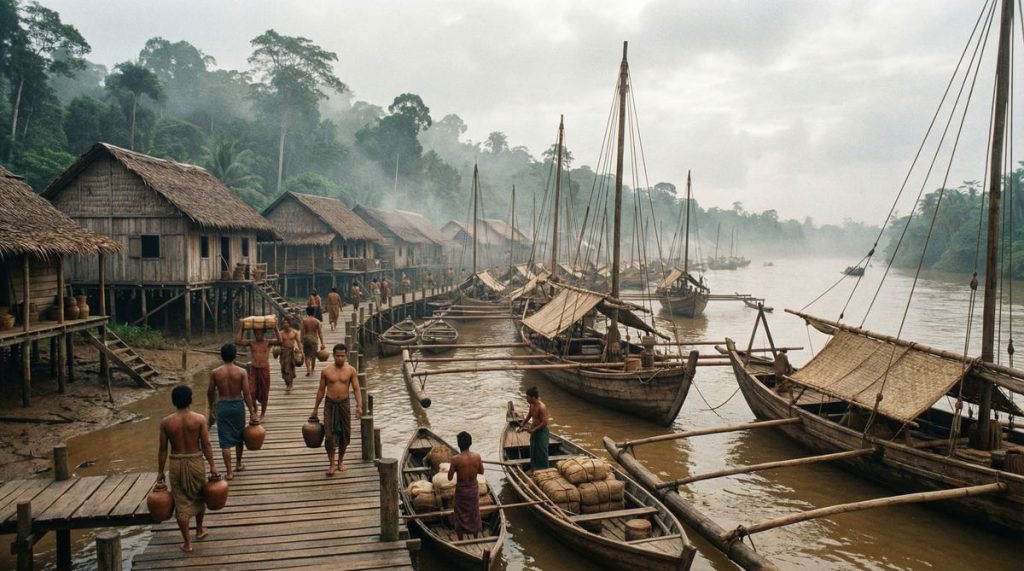
From the 7th to the 11th centuries, Srivijaya dominated the Strait of Malacca — the ancient world’s equivalent of the Strait of Hormuz. All trade between the economic titans of China and India had to pass through their waters. And Srivijaya, from its capital in modern-day Sumatra, became the gatekeeper.
“The Srivijayan Maharaja was so vast that the swiftest vessel would not have been able to travel around all its islands in two years.” — 10th Century Arab Chronicler
Their wealth was legendary. They didn’t need to conquer vast territories; they simply taxed the trade that flowed through their domain. Spices, silks, precious metals — all of it passed through Srivijayan ports, making its rulers fantastically rich and powerful.
They had built a system of perfect, centralized control. And for centuries, it worked.
Until it didn’t.
The Raid That Broke the World
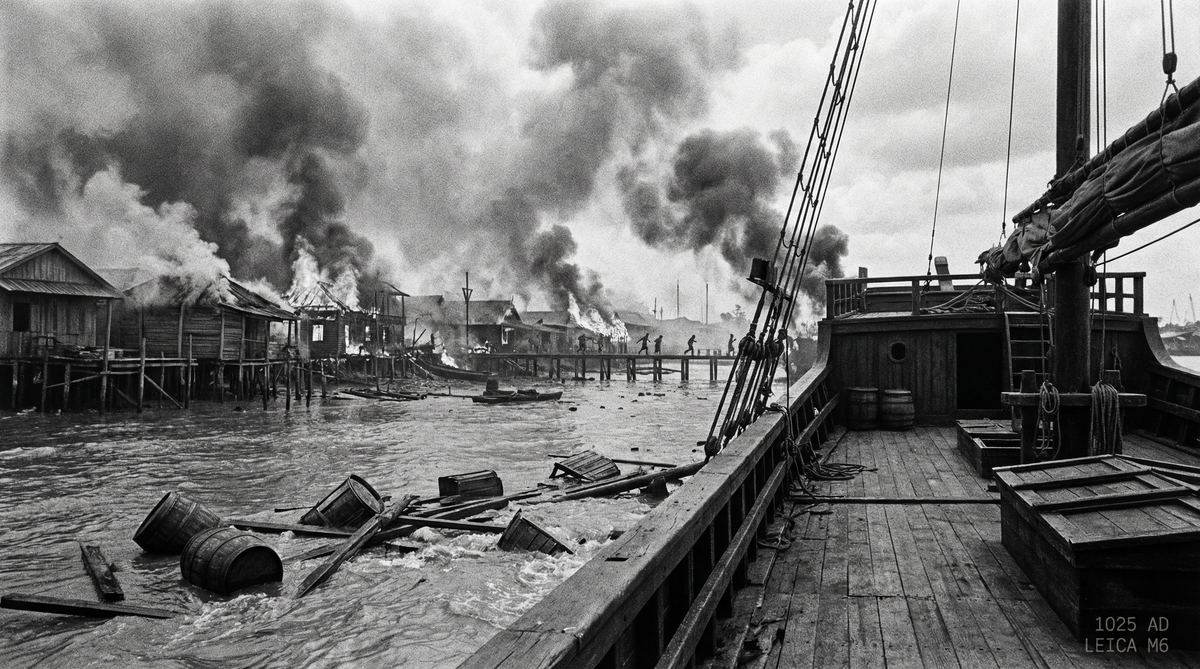
In 1025 AD, the Chola Empire of Southern India, a rival naval power, did the unthinkable.
They launched a surprise naval raid on the heart of Srivijaya. In a series of swift, devastating attacks, the Chola fleet sacked 14 of Srivijaya’s key ports, including the capital. The Srivijayan king was captured. The treasury was plundered. The great fleet that had policed the strait for centuries was shattered.
The Chola raids were a deathblow. The empire that had seemed invincible was exposed as a paper tiger.
The attack didn’t just destroy ships and ports. It destroyed the idea of Srivijayan invincibility. Traders, who had for centuries paid tribute for safe passage, now saw that Srivijaya could no longer protect them. The system of control, built on the perception of strength, evaporated.
The empire of the strait was no more.

Within a generation, Srivijaya was a shadow of its former self. The trade routes fractured. The wealth dried up. The once-mighty empire faded into history, so completely that for centuries, scholars believed it was a myth.
The Lesson: The Chokepoint of Our Own Making
We look at the events in the Strait of Hormuz today and see a temporary crisis. A political problem. A spike in gas prices that will eventually come down.
But the ghost of Srivijaya tells a different story.
Our globalized world is a Srivijayan empire. We have built a system of incredible complexity and efficiency, all dependent on a few key chokepoints. The Strait of Hormuz. The Suez Canal. The South China Sea.
We have outsourced our manufacturing, our energy, our very survival to a system that we do not control. We have become so dependent on the free flow of goods that we have forgotten how to provide for ourselves.
The Strait of Hormuz carries approximately 20% of the world’s total oil consumption. A single waterway. A single point of failure. The same percentage that the Strait of Malacca once carried for the ancient world’s entire spice and silk trade.
And now, the raid has come.
The closure of the Strait of Hormuz is not just a headline. It is a Chola raid on the foundations of our economy. It is a stark reminder that the system we depend on is far more fragile than we believe.
For every $10 increase in the cost of oil, the overall U.S. inflation rate is expected to rise 0.15%, according to Mark Zandi, chief economist at Moody’s Analytics. Oil prices are already up 15%. Do the math.
The Turn: The Path to Resilience
It is easy to look at this fragility and feel a sense of despair. To see yourself as a helpless spectator in a global drama you cannot control.
But history teaches another, more powerful lesson. When the great, centralized systems fail, they create a vacuum. And into that vacuum rushes the opportunity for something new.
This is not a call to hide from the world. It is a call to build a better one, starting in your own backyard.
The survivors of Srivijaya’s collapse weren’t the ones who clung to the dying ports. They were the ones who adapted — who focused on their local communities, who strengthened their own skills, and who created resilient networks of mutual support.
The communities that thrived after the empire fell were the ones that had never fully surrendered their self-reliance to the centralized system in the first place. They had kept their local food networks. They had maintained their own skills. They had built something real.
That is the lesson for today. Not panic. Not despair. Sovereignty.
The Action: The Blueprint for Hope

Building a resilient future starts with a single, powerful step: taking control of your own food supply.
The 4ft Farm Blueprint is not just about survival; it’s about sovereignty. It’s the first chapter in your family’s story of independence — a story where you are the builder, not the victim.
When the tankers stop sailing, when the grocery store shelves are empty, your garden will be your salvation. It is the ultimate hedge against the folly of distant empires and their endless wars.
Don’t wait for the ghost fleet to arrive.
For more on how to protect your family and your wealth, visit our sister sites:
- SurvivalStronghold.com — Preparedness strategies for what’s coming
- SelfRelianceReport.com — The case for personal independence
- HomesteaderDepot.com — Tools and resources for the self-reliant life
- SevenHolistics.com — Health sovereignty in uncertain times
- TheReadyReport.com — Intelligence for those who prepare
- FreedomHealthDaily.com — Your health, your responsibility